Table of Contents
Welcome to the latest edition of our weekly roundup. Every Monday, we’ll send you a summary of the biggest stories about bodily autonomy. We’ll also include links to pieces that Garnet or Susan have published.
If you’d prefer to receive a single email every week, you can do that—we love autonomy. You can manage your subscriptions by navigating to the site, clicking on “Account” in the upper right, then under “Emails,” select “Manage.” You can toggle off “Autonomy News” to receive only the roundup, or vice versa.
Let’s dive in.
On Autonomy News
The biggest barriers to reproductive healthcare often sound inane and boring, which helps them fly under the radar. Garnet reported on the latest example of this phenomenon: The Food and Drug Administration’s surprise decision to place the birth control implant Nexplanon under a special monitoring protocol called a REMS, which experts worry could affect access. The REMS program is infamous for the way it has limited access to medication abortion. (Share this story on Instagram, Bluesky, or TikTok.)
 Garnet Henderson
Help keep our journalism paywall-free in 2026! Upgrade to a paid subscription, drop a little something in our Tip Jar, or shop our merch. Interested in making a more substantial gift? Learn more here.
Federal news
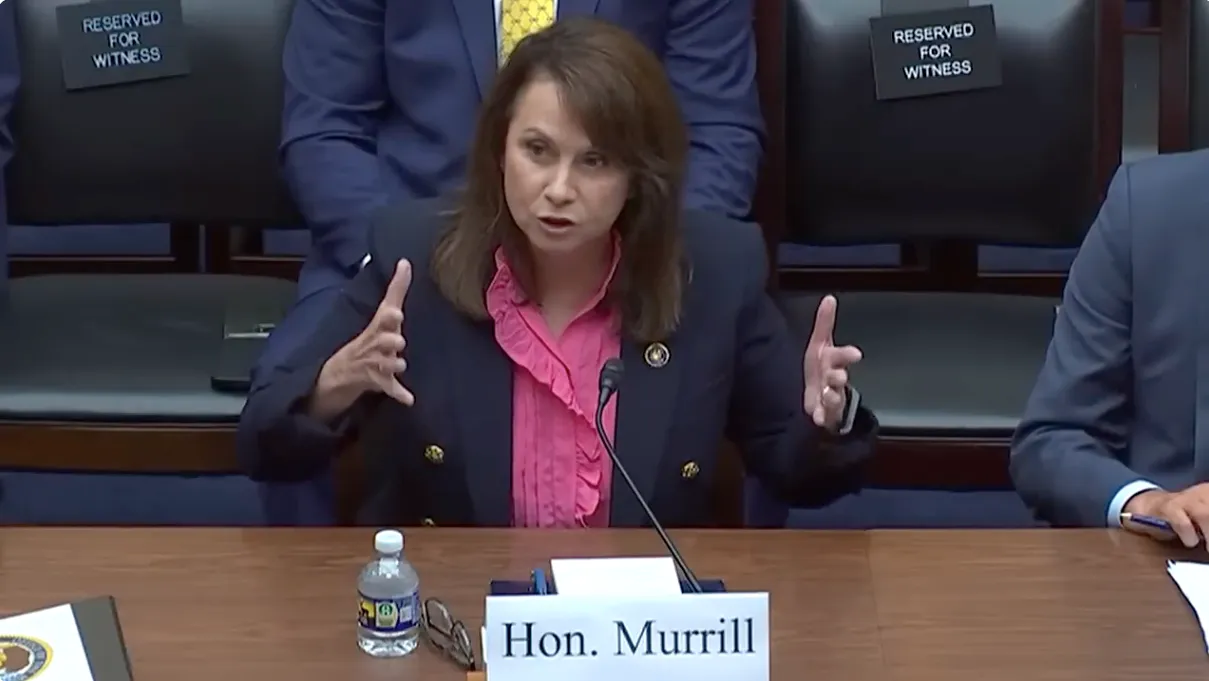
Louisiana Attorney General Liz Murrill says she plans to sue the governors of New York and California over their states’ “shield” laws that protect providers who prescribe abortion pills to patients in states that ban abortion. Murrill has filed criminal charges against two abortion providers, one from New York and one from California, for violating Louisiana’s abortion ban. The governors of both states have refused to extradite the doctors, citing shield law protections. In response to Murrill’s threat to sue, California Governor Gavin Newsom tweeted, “Go fuck yourself.” (Gavin, we’d like to see this energy over attacks on trans people.)
Speaking of Murrill and Louisiana, two pharmaceutical companies that manufacture the abortion drug mifepristone have asked to intervene in Louisiana’s lawsuit against the FDA that seeks to restore old restrictions on mifepristone, including the unnecessary requirement that the medication be dispensed in person. Manufacturers Danco Laboratories and GenBioPro are asking that a federal judge dismiss Louisiana’s case, in which it is represented by the Christian nationalist law firm Alliance Defending Freedom.
State news
Lawsuits in state court
A Texas man represented by anti-abortion activist lawyer Jonathan Mitchell has amended his lawsuit against a California doctor to cite a new law that took effect in December. Texas HB 7 says people can file wrongful death lawsuits against anyone who provides a pregnant person with abortion medication and seek $100,000 in damages. A man named Jerry Rodriguez alleges that Dr. Rémy Coeytaux—the same doctor Louisiana AG Liz Murrill is seeking to extradite—prescribed abortion pills to a woman he impregnated. Mitchell is not only asking the court to block Coeytaux from mailing abortion pills into Texas in the future, he also seeks to block him from countersuing under California’s shield law. Coeytaux is the first known person to be sued under the Texas law; he is being represented by the Center for Reproductive Rights.
An Arizona judge struck down multiple abortion restrictions citing a 2024 constitutional amendment that protects the right to abortion until fetal viability. Two obstetricians and the state medical association sued to block enforcement of several laws under the amendment, including a mandatory 24-hour waiting period that required two trips to a clinic, a ban on telehealth abortion, and a so-called “reason ban,” which prohibits abortions if a provider suspects a person is seeking an abortion due to a nonlethal fetal anomaly. However, the state still bans abortion after fetal viability, or the point when a fetus could theoretically survive outside the uterus. So while the reason ban being blocked is good news, the state viability limit could still affect later abortion patients since most people do not receive fetal diagnoses until their 20-week scan or later. There is, however, a legislative package that would repeal the viability ban, as we told you previously. State GOP lawmakers said they plan to appeal the judge’s ruling.
In a separate Arizona lawsuit, advocates are challenging a ban on advance practice providers (APPs) like nurse practitioners and certified nurse midwives performing abortions. The plaintiffs argue that the ban violates the aforementioned constitutional amendment because it arbitrarily restricts their choice of provider, making abortion less available in the state. Trained APPs can provide abortion just as safely as their physician colleagues, and the Arizona Board of Nursing said back in 2008 that nurses could provide abortions. In response, Republican lawmakers stripped the board’s authority to decide abortion qualifications.
Proposed legislation
The Missouri House passed an unnecessary bill that would subject doctors to murder charges if they don’t provide life-saving care to a fetus born alive after an attempted abortion. Democrats countered that so-called “born-alive” bills laws are mere messaging bills, because infanticide is already a crime. The legislation, HB 2294, would also allow civil lawsuits for people who facilitate medication abortions by permitting litigation against anyone who “supplies or makes available any instrument, device, medicine, drug or any other means or substance” for a person to have an abortion.
Legislation to restrict the mailing of abortion pills is moving in three states. A West Virginia Senate committee passed Senate Bill 173, which would make it a felony punishable by up to 10 years in prison for non-medical professionals to send abortifacients to someone in the state, while medical professionals who do so would lose their license. People could also sue the pill provider for $10,000. The bill now goes to the Senate Judiciary committee. Next, Indiana lawmakers proposed Senate Bill 236, which would allow wrongful death suits over abortions with a minimum award of $100,000 and a 20-year window to file a lawsuit. And, finally, lawmakers in the South Carolina House passed a law that would classify the abortion medications mifepristone and misoprostol as Schedule IV controlled substances, a category normally reserved for drugs with addiction potential. The bill, H. 4760, is a copy of a law that passed in Louisiana. Patients would need an in-state doctor’s prescription to legally possess the medications, otherwise they could face criminal penalties. It now goes to the Senate for consideration.
Two states have filed bills that would treat abortion as homicide, though one failed to advance. In Iowa, Republicans introduced a bill that would classify abortion at any stage of pregnancy as homicide and allow pregnant people to be charged with murder. House File 2316 says the state would treat an “unborn child” with the same due process as if the “victim were a person following a live birth.” Lawmakers in South Dakota introduced House Bill 1212, a proposal to apply existing homicide and wrongful death laws to “unborn children” and open pregnant people up to criminal charges. But the bill failed to pass the committee on a 9-4 vote, meaning it’s dead for the year. Proposals like these are sometimes called “equal protection” bills based on the dangerous and fundamentally offensive view that embryos and fetuses deserve the same rights as living people.
Still smarting from their loss at the state Supreme Court, anti-abortion lawmakers in Wyoming have introduced new attempts to chip away at access. One bill, HB0117, advances the popular conservative myth that people are often coerced into having abortions. It gives people the right to sue abortion providers for at least $25,000 per violation if they allege that the provider did not obtain written informed consent or should have known that the pregnant person was being coerced. They also reintroduced a bill, now called HB0003, based on model legislation from Alliance Defending Freedom, which would protect crisis pregnancy centers from state investigation and regulation. A version of this bill has already been enacted in neighboring Montana.
Democratic lawmakers in Wisconsin, meanwhile, are seeking to do the opposite, introducing a bill that would require crisis pregnancy centers—which are not usually bound by the Health Insurance Portability and Accountability Act (HIPAA)—to disclose what personal information they will share, with whom they’ll share it, and why.
Other state news
Virginia Governor Abigail Spanberger has officially signed bills that will place four referendums on voters’ ballots this year. If successful, the measures will protect reproductive rights at least until the third trimester, repeal an old ban on same-sex marriage, automatically restore the voting rights of people with felony convictions after they have completed their sentences, and allow Democrats to redraw the state’s legislative districts.
In Oregon, a coalition led by ACLU of Oregon, Planned Parenthood, and other groups has abruptly suspended its effort to get a measure on the 2026 ballot to add constitutional protections for abortion, gender-affirming care, and same-sex marriage. Oregon law already protects all three, but the campaign was modeled on New York’s Proposition 1, which enshrined existing rights into that state’s constitution in 2024. The groups gave little explanation for their decision to abandon the campaign.
Former employees of Planned Parenthood Southeast have filed complaints against the affiliate with the Equal Opportunity Employment Commission (EEOC), alleging that former interim CEO Mairo Akposé made inappropriate comments about workers’ bodies and marital status, deadnamed transgender and nonbinary staff members, and more. While it’s unlikely the workers will get a favorable decision from Trump’s EEOC, that probably isn’t their goal—such complaints are typically required in order to file a federal lawsuit. The day before the complaints came to light, Planned Parenthood of Los Angeles announced that it would be stepping in to help manage PPSE in an “interim leadership capacity.” Following early media reports of turmoil at PPSE, the affiliate’s board said an internal investigation cleared Akposé of wrongdoing. But after Susan reported new allegations, including that Akposé said she would halt abortion care if given the opportunity, she stepped down.
Connecticut and Massachusetts operate a free abortion legal helpline, and last week Connecticut announced a billboard and online ad campaign to promote it.
Personhood watch
A new report from Pregnancy Justice identified and analyzed dozens of laws across the country that have been used to criminalize people in the aftermath of a miscarriage or stillbirth. Laws like “concealing a birth” were enacted to criminalize unwed women centuries ago and are still being used today.
For the first time since the state banned abortion, the Texas Medical Board has issued guidance outlining some scenarios in which doctors can still provide medically indicated abortions. But doctors who reviewed the training told ProPublica that it only covers the most straightforward scenarios they might encounter, and leaves out the complexities involved in several maternal deaths attributed to the Texas ban. For example, it doesn’t address the fact that fetal cardiac activity can often still be detected on an ultrasound once a miscarriage is underway, a fact that has led doctors to delay necessary treatment to prevent complications like hemorrhage and infection.
First Amendment watch
Last week, we reported that a campus chapter of Turning Point USA got a speech by abortion provider Dr. Shelley Sella canceled at Texas Tech University. The Foundation for Individual Rights and Expression (FIRE) is urging the school to reschedule the event. The campaign appears to be spreading to other campuses—Autonomy News is told that a speech was similarly canceled at Louisiana State University.
An appeals court will soon consider whether to uphold a Tennessee law that criminalizes speech about abortion—specifically, SB 1971 makes it a crime for adults to share information with young people about abortion care and its legality in other states. A lower court said the law was unconstitutional, but lawyers for Tennessee appealed. The Sixth Circuit Court of Appeals will hear the case, called Welty v. Dunaway, and, while the appeal hasn’t yet been scheduled for argument, both the National Center for Youth Law and Midwest Access Coalition filed amicus briefs with the court asking it to keep the law blocked.
Arizona lawmakers advanced a bill that says public universities or their employees “may not encourage or facilitate abortions”—wording so vague it could apply to counseling at student health centers. The state already bars public facilities from performing abortions, but the bill sponsor says she essentially wants to ban abortion referrals and information on campus. "Those taxpayer dollars should not be used to directly or indirectly promote or assist an intentional ending of a preborn life,'' said state Rep. Rachel Keshel.
Assaults on queer people
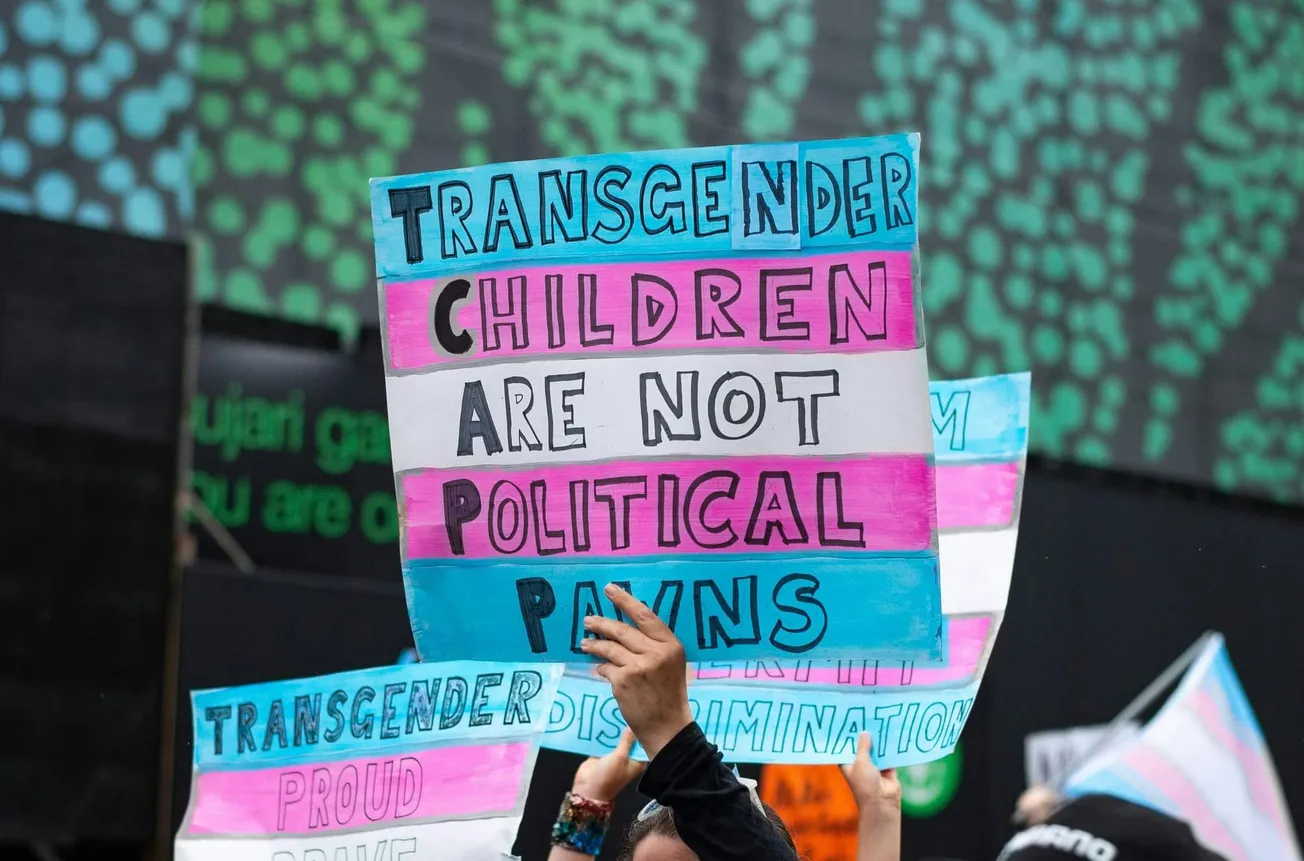
The American Society of Plastic Surgeons officially recommended last week that gender-affirming surgeries be delayed until the age of 19, citing the widely criticized Cass Report from the U.K., and a similarly controversial and politicized report from Trump’s Department of Health and Human Services. Other professional societies including the American Academy of Pediatrics and the World Professional Association for Transgender Health are sticking to their current positions, which are essentially that there should be no “one size fits all” guidelines on the subject. Gender-affirming surgeries among adolescents are extremely rare to begin with.
The campaign behind a ballot measure that would reverse Maine’s inclusive policies for transgender student athletes says it has enough signatures to make it onto the 2026 ballot.
A small win: The Fourth Circuit Court of Appeals threw out most of the claims in a lawsuit brought by a substitute teacher who claimed a Maryland school system violated her First Amendment right to religious freedom by requiring her to use the correct pronouns for trans students.
In 2023, Utah lawmakers instituted a “moratorium” on youth gender-affirming care pending an in-depth review of the effects of hormone treatments, claiming their concern was for children’s health and safety. The deadline for that study to be completed has since passed, and its results are nowhere to be seen as Republicans move to ban the care.
The University of Puerto Rico eliminated protections for trans and nonbinary students late last year after the Trump administration threatened to withhold funding from the school.
Quick hits
- The American College of Obstetricians & Gynecologists (ACOG) updated its recommendations on providing safe, equitable care for immigrants amid an enforcement crackdown.
- As the Department of Justice weaponizes the Freedom of Access to Clinic Entrances (FACE) Act against journalists and protesters, the abortion clinics are being left out in the cold.
- Meet May Mailman, the mastermind behind the Trump administration’s anti-trans crusade. To the shock of no one, she’s also anti-abortion.
- There’s growing demand for recovery doulas who can support pregnant people with addiction.
- Leading anti-abortion group Susan B. Anthony Pro-Life America continues to compare abortion to overdose deaths in its campaign to paint telehealth abortion as “drug trafficking.”
Actual good news
In a four-hour filibuster that spanned four days of floor debate, Nebraska lawmakers blocked a set of new and unnecessary abortion restrictions based on the myth that coerced abortion is widespread.
Palate cleanser
We hope you’re enjoying the Winter Olympics.
@beritnyhus Ny dag og enda mer aking!💪🐶 🩷 #viralvideos #fyp #tiktoknor #labradorretriever #viralvideos ♬ Timeless - Franksille
They simply don’t care once the pregnancy is over.
@moabortionfund It’s like that sometimes 🤷🏽♀️
♬ Move Bitch - Ludacris
Follow Autonomy News on Instagram, Bluesky, TikTok, and LinkedIn.