
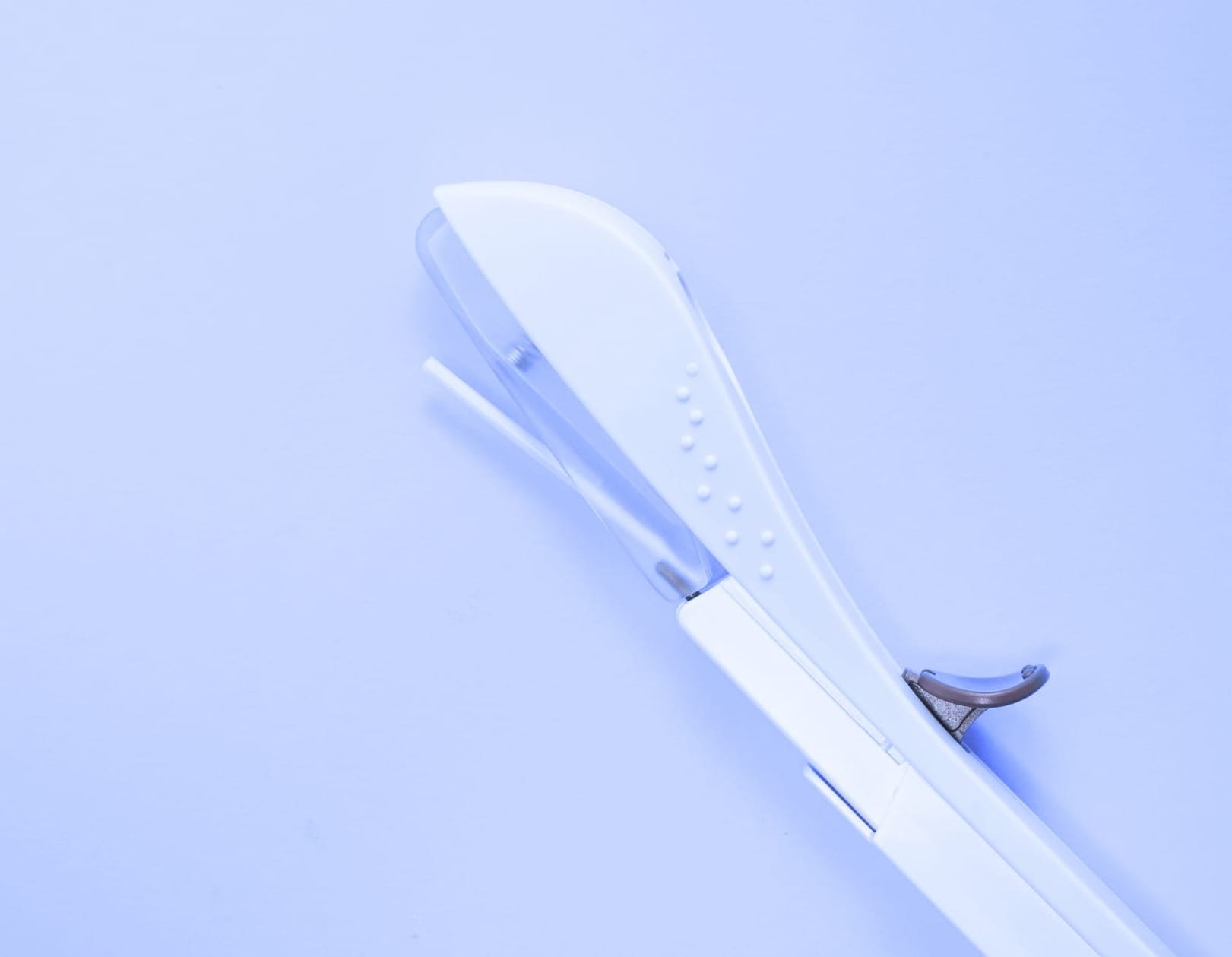
On January 16, the maker of Nexplanon—the only contraceptive implant on the market in the U.S.—announced that the Food and Drug Administration (FDA) had approved it for up to five years of use.
Nexplanon, which is inserted just under the skin on a person’s upper arm, was originally approved in 2011 for three years of use. However, providers have long advised patients that their implants will prevent pregnancy for five years, based on robust scientific data. Still, the fact that Organon, Nexplanon’s manufacturer, took the step of applying for and earning an official five-year stamp of approval “really was an excellent outcome,” said Dr. Jennifer Karlin, an associate professor in the Department of Family and Community Medicine at the University of California San Francisco. The manufacturer’s extended use study also enrolled people with a wider range of body mass indexes, she added, and found no increase in adverse events in years four and five of use.
But alongside all this good news, reproductive health providers were surprised by another development. While validating that Nexplanon is effective for five years, the FDA simultaneously placed new restrictions on the device, requiring a special monitoring protocol called a Risk Evaluation and Mitigation Strategy (REMS), which makes prescribers take extra steps that some worry could limit its availability. And Nexplanon wasn’t the only birth control device to get this treatment of late: Miudella, a new copper intrauterine device (IUD) approved in early 2025, will be available exclusively through a REMS when it hits the U.S. market later this year.
Devices like Miudella and Nexplanon are known as long-acting reversible contraceptives, or LARCs, which are among the most effective birth control methods and last for several years. (The devices work primarily by preventing sperm from fertilizing an egg.) No other currently available LARCs have REMS programs, leading some experts who spoke to Autonomy News to worry that the FDA’s recent decisions could represent an overall shift in its regulation of these methods. These concerns are based in large part on reproductive health providers’ experience with barriers created by one of the most controversial and well-known REMS programs: the one applied to the abortion drug mifepristone.
IUDs and implants do have a complicated history. Though modern LARCs are safe and effective, some early versions had serious safety issues, and there are many examples of providers coercing marginalized people into using them, or refusing to remove them. However, the birth control devices have become increasingly popular because of their effectiveness and relative ease of use. Evidence also suggests that more people are seeking them out due to abortion bans. Anti-abortion organizations have long attacked LARCs, claiming incorrectly that they cause abortion.
Organon said in a press release that it expects the Nexplanon REMS program to be available on February 23, and that providers already trained to insert Nexplanon “will have six months to enroll in the program in order to maintain their access to Nexplanon for insertion.” That means clinicians have to take this extra step to continue prescribing the device. Going forward, newly trained providers will be enrolled in the REMS at the time of their training with Organon. Pharmacies that dispense Nexplanon will have to be certified, and ensure they are distributing the devices only to qualified providers.
For patients who do want to use this method of birth control, any “new administrative or logistical barriers … could discourage some practices from offering Nexplanon,” Dr. Ashley Jeanlus, an OBGYN and complex family planning specialist, told Autonomy News. “Even small barriers can reduce access, especially in community clinics and rural settings.”
Karlin agreed. “It is unfortunate that now there's going to be another procedural impediment to accessing it,” she said.
Why do some drugs get extra restrictions?
The FDA’s purpose is to ensure that drugs and medical devices in the U.S. are safe and effective. In the case of prescription drugs and devices like LARCs, it mostly does this by reviewing scientific evidence and making sure that labels correctly communicate all the risks and benefits of a product. The agency imposes drug-specific requirements as part of its regular approval process all the time: For example, you may have noticed that some prescription medications come with prominent warning labels on the box, while others do not. In the case of Nexplanon, medical providers have always been required to obtain specific training in order to insert it. In fact, this is true of every implant and IUD on the market—but this training requirement is not the same as a REMS.
Congress created REMS, a safety program that goes above and beyond these usual precautions, in 2007. The FDA can require a REMS “for certain medications with serious safety concerns to help ensure the benefits of the medication outweigh its risks,” according to the agency’s website. “REMS are designed to reinforce medication use behaviors and actions that support the safe use of that medication. While all medications have labeling that informs health care stakeholders about medication risks, only a few medications require a REMS.”
To be exact, out of over 20,000 FDA-approved drugs, there are only 73 with active REMS. Each REMS protocol is unique to the drug it’s placed upon, and many of the medications on this list have risks we’re all familiar with—opioids, chemotherapy drugs, and thalidomide, the infamous medication that caused thousands of birth defects around the world. These drugs are on the market because they also have important benefits: treating severe pain, cancer, and, in the case of thalidomide, leprosy. But they are dangerous enough that the FDA places special restrictions on them.
According to federal law, when a drug is new, the FDA can require a REMS if it feels additional regulation is “necessary to ensure that the benefits of the drug outweigh the risks of the drug.” Miudella—the new copper IUD—may fit this bill because it is an entirely new device: Compared to the existing copper IUD, Paragard, Miudella is smaller, uses a different frame material, and comes pre-loaded in an inserter. The Miudella REMS appear designed to ensure that distributors only give the product to trained providers, and require the manufacturer to report information about how providers score on a post-training knowledge assessment quiz, suggesting the FDA wants to make sure the training program for the new device is effective.
“If you're talking about new products, it seems a little bit more justified that there'd be some sort of REMS,” said Jordan Paradise, co-chair of Loyola University Chicago's Beazley Institute for Health Law and Policy. “Once it's been on the market for a while, there might be an opportunity to ease these types of restrictions.”
But Nexplanon is not new; it’s the same device that has been on the market since 2011. In this case, the agency can require a post-approval REMS if the Secretary of Health and Human Services, currently Robert F. Kennedy Jr., “becomes aware of new safety information” that changes the risk-benefit analysis.
Organon, Nexplanon’s manufacturer, said in its release that the clinical trial data it submitted to the FDA revealed “no new safety findings.” Karlin, who is herself a Nexplanon trainer and familiar with the data, echoed this point. “From years three to five, there were no additional adverse effects,” she said. The most commonly reported adverse effect was irregular menstrual bleeding. This is not dangerous, nor is it new information: Changes in menstrual bleeding were the most common reason patients stopped using Nexplanon in the clinical trials submitted for its original approval.
When reached for comment about the REMS applied to both Nexplanon and Miudella, a spokesperson with the Department of Health and Human Services public affairs office cited the Food, Drug, and Cosmetic Act, which authorizes the agency to impose a REMS “if FDA becomes aware of new safety information and makes a determination that such a strategy is necessary to ensure that the benefits of an approved drug outweigh the risks.” In response to a follow-up question about what new Nexplanon safety information the agency became aware of, the spokesperson simply provided a link to the letter approving extended use and the REMS.
That letter mentions “the risk of complications due to adverse events related to improper insertion and removal” of the device. It’s true that, if inserted improperly, Nexplanon can migrate. In a small number of known cases, the implants have migrated into patients’ vascular systems or lungs. A 2024 review of case reports on these outcomes called them “rare” and “uncommon.” And this was a previously known risk dating back to its initial approval. In fact, Nexplanon is an improved version of an earlier implant, called Implanon. Nexplanon has a different insertion system that reduces the risk of errors, and unlike Implanon, it can be seen on X-ray, making it easier to find and remove. Even in the face of these small risks, the FDA had never previously imposed a REMS on Nexplanon—only the training requirement.
“What else is this going to be applied to going forward? Is every reproductive health product going to be subject to this layer of scrutiny?”
“This was never a ‘learn it on your own’ device. Structured training and oversight were already standard,” Jeanlus said, adding that many institutions even require providers to go through an internal credentialing process in order to insert Nexplanon.
The letter also references earlier communications between the FDA and Organon in spring 2025, which are not publicly available. The FDA informed Organon that it would need a REMS and the company responded with a proposal one month later. Autonomy News has submitted a Freedom of Information Act request for these communications. Organon did not respond to multiple requests for comment.
Paradise said it’s “troubling” that a device that’s been on the market is now subject to heightened restrictions. “It deserves to be called out,” she said. “What else is this going to be applied to going forward? Is every reproductive health product going to be subject to this layer of scrutiny that could get them into a REMS category?”
If IUDs and implants are indeed going to be subject to additional scrutiny, it could be a “disincentive to innovation,” Paradise said. Getting a drug or device approved costs millions in FDA fees alone—and that doesn’t include the expense of actually developing and studying the drug. Funding for contraceptive research and development is already on the decline, and manufacturers may be even less willing to bring new products to market if they expect regulatory headaches. Some of the IUDs currently available are already known to work longer than what’s printed on the label, but it’s difficult to imagine a manufacturer asking the FDA to extend that duration if it means risking a REMS.
The FDA’s ‘implicit bias’ on reproductive health
Could these new barriers represent a Trump administration attempt to restrict access to implants and IUDs? In the case of Miudella, at least, the agency’s determination to require a REMS was made under President Joe Biden. (Miudella maker Sebela Pharmaceuticals did not respond to a request for comment.) Organon, on the other hand, was informed that Nexplanon would require a REMS shortly after Trump returned to office. It’s possible that these decisions are unrelated, and have nothing to do with politics. But reproductive health providers are wary of REMS for good reason, based on the barriers the program has created to medication abortion care.
Mifepristone, which is used in combination with another drug, misoprostol, for medication abortion, was first approved in the U.S. in 2000. This approval predated the existence of the REMS framework, but the FDA placed special restrictions on the drug from the start, including that it had to be dispensed to patients in person, taken in a healthcare setting—rather than at home—and that providers had to register with the drug manufacturer. Experts were immediately critical of these “unusual restrictions.” However, following the creation of REMS, rather than reconsider these limitations, the FDA placed mifepristone under a REMS formalized in 2011.
Over the years, the mifepristone REMS requirements were slowly revised to be slightly less onerous. Starting in 2016, patients were allowed to take the drug at home, but it still had to be dispensed in person at a clinic or hospital. In fact, for more than 20 years, mifepristone was not available in regular retail pharmacies. This changed only after the FDA suspended the in-person dispensing requirement in 2021—spurred by a lawsuit from the American College of Obstetricians and Gynecologists (ACOG)—and then formally modified the REMS to allow retail pharmacies to stock mifepristone in 2023. However, providers and pharmacies still have to register with the drug manufacturer.
More than a quarter of abortions provided within the U.S. health system are now done via telehealth, a fact only possible because of the recent updates to the mifepristone REMS. However, ACOG maintains that the remaining restrictions are “a medically unnecessary barrier to safe, essential reproductive health care.” At the same time, anti-abortion organizations and lawmakers are weaponizing the history of mifepristone’s REMS in their attempts to paint the drug as inherently dangerous, and re-enact old restrictions. Without this added layer of FDA regulation, medication abortion wouldn’t make such a convenient political football.
And the over-regulation of the abortion pill isn’t the only reproductive health-related FDA decision that gives some observers pause.
In a 2022 Cornell Law Review article, University of Pittsburgh law professor Greer Donley outlined the agency’s “troubling history of implicit bias that harms women’s sexual and reproductive health.” In addition to the mifepristone REMS, she pointed to the FDA’s regulation of the emergency contraceptive Plan B as an example: Two years after Plan B’s initial FDA approval in 1999, experts petitioned the agency to make the drug available over the counter. Plan B is safe and effective, but also time sensitive—it works best when taken within 24 hours of unprotected sex.
The FDA refused, in a decision that a Government Accountability Office investigation deemed unusual. When the agency finally did approve Plan B for over-the-counter use in 2006, it limited the approval to people 18 and older, despite broad agreement among its own in-house scientists that people of all ages could use the drug safely. In 2009, the FDA lowered the age to 17—but only because of a lawsuit. Plan B was not available over the counter to people of all ages until 2013.
“Regulatory safeguards should match real-world risk and should never create unnecessary barriers.”
Given the FDA’s history, and a lack of clarity around its purported safety concerns with Nexplanon, some question why an additional layer of regulation is necessary.
“The most important thing is transparency,” Jeanlus said. “Regulatory safeguards should match real-world risk and should never create unnecessary barriers to highly effective, evidence-based contraception. As a doctor, my priority is to protect patient safety and patient access. Those two goals must always move together—not in opposition.”
This could be an area for advocacy, Paradise suggested. “Maybe there needs to be a new requirement that the FDA has to release that new safety data” to justify a decision like the one it’s made with Nexplanon, she said.
Autonomy News first learned about the new Nexplanon REMS from a video Jeanlus posted on Instagram and TikTok in late January. Several other clinicians Autonomy News contacted had not yet heard of the REMS when reached in early February.
As of publication, a website set up by Organon, nexplanonrems.com, says little more than “REMS Coming Soon!” According to the FDA approval letter, Organon will be required to report the number of healthcare providers of different specialties who have completed training and enrolled in the REMS. The letter does not say that the company will share providers’ personal information with the FDA, but the existence of a registry raises questions about what might happen if at some point state laws limit access to LARCs, Paradise pointed out. Similar concerns have long swirled around the manufacturer registries required by the abortion pill REMS.
Asked whether she worries the REMS could affect patients’ view of Nexplanon’s safety, Jeanlus said, “not if clinicians, public health leaders, and manufacturers communicate clearly. The science supporting Nexplanon remains strong.”
This story was edited by Susan Rinkunas and copy edited and fact checked by Hannah McAlilly.
Follow Autonomy News on Instagram, Bluesky, TikTok, and LinkedIn.