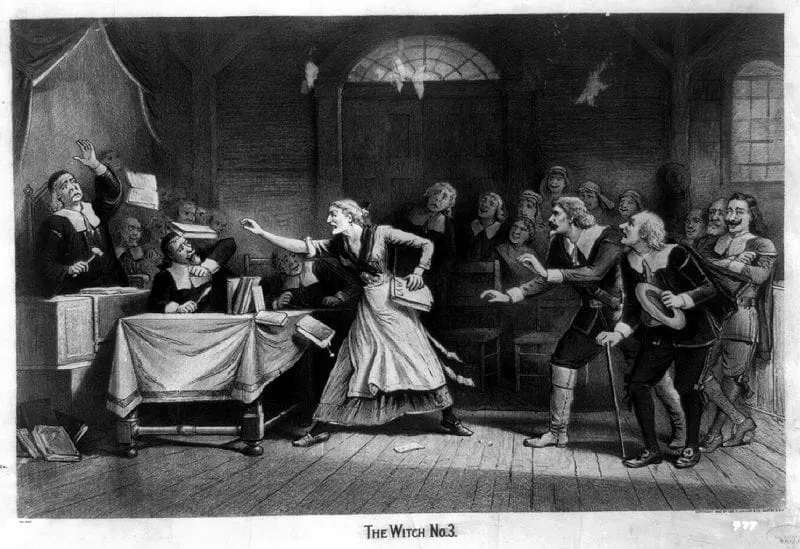
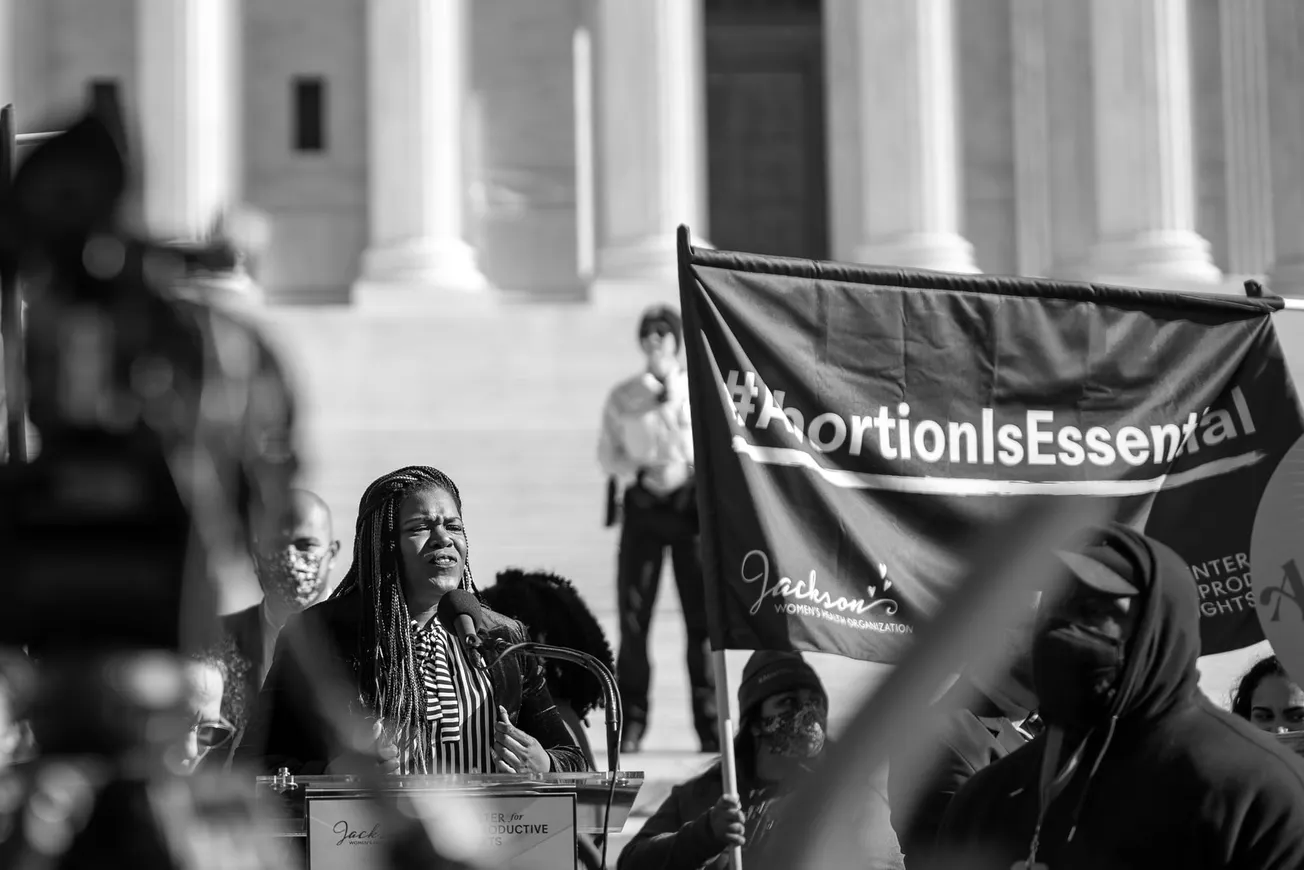
Last week brought some all-too-common news in the U.S., the incarceration capital of the world. Kentucky police arrested a woman after she allegedly took abortion pills at home and buried fetal remains in her backyard.
Staff at United Clinics of Kentucky, a primary care clinic, reported her to the police. Misinformation about the case began with police and prosecutors: The woman was charged with the crime of fetal homicide, but a police press release posted on Facebook said she buried “a developed male infant.” The term “infant” typically refers to a child under a year old—not a fetus. What’s more, Kentucky’s fetal homicide statute contains an explicit exception for people who end their own pregnancies, meaning this woman was almost certainly wrongly charged.
But local news outlets, many of them TV stations, ran with the story, splashing the woman’s name and mugshot across the internet. Then, national outlets—including tabloids like the New York Post—picked it up. Both People magazine and The Independent published her name and mugshot. Their stories also said that fetal homicide is a “capital offense” in Kentucky, without noting the law’s exception for pregnant people. Some headlines even claimed that the woman could face life in prison or the death penalty.
On Wednesday morning, the state’s attorney filed to dismiss the fetal homicide charge, but only after presenting it to a grand jury which indicted the woman on charges of fetal homicide, tampering with physical evidence, abuse of a corpse, and a new charge of concealing the birth of an infant, according to jail records. The prosecutor, Miranda King—who campaigned as a Democrat—openly admitted she opposes abortion. "I sought this job with the intention of being a pro-life prosecutor but must do so within the boundaries allowed by the Kentucky State law I'm sworn to defend," King said in a statement to press. "I will prosecute the remaining lawful charges fully and fairly." A Kentucky State Police spokesperson told Autonomy News it had discussed the investigation with King’s office before charges were filed.
Whatever the outcome of the case, damage is done. A woman sits in jail, and Google results for her name may always pull her mugshot and references to a supposed capital crime. And her case is far from the first to get such breathless treatment. The recent arrest of a South Carolina woman for attempted murder after an alleged abortion also resulted in some local outlets publishing her name and mugshot. One even posted it to Instagram. Over the summer, another Kentucky woman, a college cheerleader, was charged with concealing a birth after remains were found in her home. Tabloids have covered this story incessantly, publishing her name and mugshot, and even pulling photos from her social media accounts. Pregnancy criminalization predates the fall of Roe v. Wade, so other examples stretch back decades.
Recognizing that police narratives are often inaccurate, and that damaging search results can ruin a person’s life, many news outlets have changed their policies on publishing mugshots or identifying information in recent years. Some have scaled back crime coverage, and even allow people to request their names be removed from old stories.
Research from the legal advocacy group If/When/How shows that media coverage of pregnancy criminalization cases can cause lasting harm—even when the criminalized person is never convicted of a crime—particularly when the details are sensationalized. This newest case is sadly reminiscent of the wrongful arrest of a Texas woman who was charged with murder after using abortion pills in 2022, even though state law exempts people who terminate their own pregnancies from criminal charges. The charges were dropped days later, but the harm was done. That woman is suing local officials for more than $1 million in damages for distress and reputational harm.
If local law enforcement is arresting people for pregnancy loss or self-managed abortion, members of that community have a compelling need to know. But why would they need to know the name of the person who’s been arrested, or what they look like? People facing pregnancy criminalization aren’t, for example, active shooters who pose a threat to public safety. And their lives are worth more than clickbait. Plus, media coverage that gives these cases the tabloid treatment makes it impossible for other reporters to cover them ethically. In our digital world, once a name, mugshot, or unconfirmed detail is published, it can’t be taken back, meaning there’s no way to report on a case without directly or indirectly amplifying these badly done stories.
The police blotter approach to news also endangers people’s lives and livelihoods. As more abortion clinics in legal states are forced to close and the cost of living skyrockets, more people will turn to ordering abortion pills online. They need reliable information, not quickly produced stories that inaccurately frame self-managed abortion as a crime. Responsible reporting would inform readers that self-managed abortion is almost never a crime: Only one state, Nevada, explicitly criminalizes self-managed abortion, and only after 24 weeks.
Still, healthcare workers and friends do report pregnant people to law enforcement for suspected abortions. A 2025 Pregnancy Justice report found that, among 412 pregnancy criminalization cases after the fall of Roe v. Wade, 264 involved information obtained or disclosed in a medical setting. Sadly, due to a gaping loophole in the healthcare privacy law HIPAA, it’s not a violation for a healthcare worker to report a patient to the police if they believe the patient committed a crime. After law enforcement is involved, police and prosecutors typically weaponize other laws against pregnant people, like abuse of a corpse or tampering with evidence.
Good coverage on this subject would also explain what resources are available for medical and legal help. It would inform people that they don’t have to tell medical providers they used abortion pills in order to get follow-up care—they can simply say they think they’re miscarrying, or had a miscarriage. It would also tell readers about the Miscarriage + Abortion Hotline at (833) 246-2632 for confidential medical support, or the Repro Legal Helpline at (844) 868-2812 for confidential legal information and advice.
Unjust arrests for pregnancy outcomes will only increase in 2026 and beyond. Journalists should ask themselves: Do I want to participate in state violence against pregnant people? Does that further the core journalistic value of holding power to account? To us, the answer is clear. To dehumanize and exploit pregnant people for clicks is to stand on the side of power, not to challenge it.
At Autonomy News, we will not print names or identifying information of people facing criminal charges for their pregnancy outcomes. If you’re aware of an arrest and want to see it covered responsibly, please contact Garnet and Susan on Signal: garnethenderson.12 and susanrinkunas.73.
This story was copy edited and fact checked by Nandita Raghuram.
Follow Autonomy News on Instagram, Bluesky, TikTok, and LinkedIn.
If your outlet is interested in republishing this piece, contact us at autonomynewsco@gmail.com.