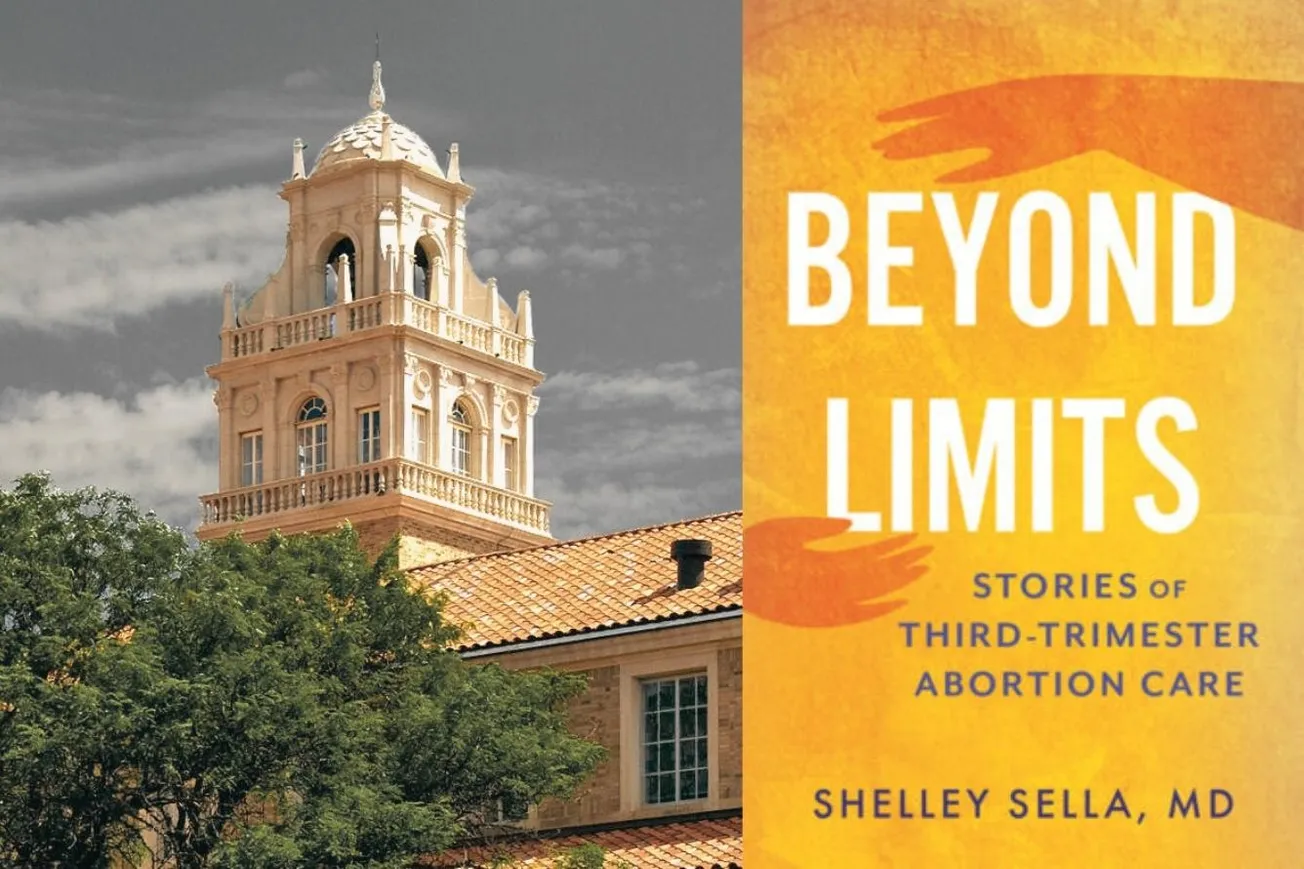
Late last month, Texas Tech University caved to a freshman member of its Turning Point USA chapter and blocked a legendary third-trimester abortion provider, Dr. Shelley Sella, from speaking to Texas Tech’s Medical Students for Choice (MSFC) chapter.
We are a collective of MSFC student leaders enrolled in medical schools across the state of Texas. And there’s a reason why we penned this piece under the shroud of anonymity: Our education and futures are not immune to the same fascist oppression killing immigrants, silencing citizens, and stomping on our constitutional rights. Already, our fellow medical student colleagues have faced censorship, harassment, and veiled threats just for seeking educational opportunities relating to abortion care. We fear retribution from the same cowardly university leaders who recently gave in to TPUSA’s pressure campaign.
This culture of fear is costing us a comprehensive medical education. In fact, it wasn’t until Dr. Sella’s book, Beyond Limits: Stories of Third-Trimester Abortion Care, that many of us learned about abortion care later in pregnancy. This is just one example of how Texas politicians and activists not only banned abortion care, but also chilled the medical education for future OBGYNs. This will have a domino effect on health outcomes for future generations to come.
Despite the danger—to ourselves and our careers—we are sending up a flare gun for higher education across the Lone Star State. The public’s health and safety are on the line. We will not sit idly by.
As medical students, we understood that family planning, including abortion, has never been a mandated curriculum for any medical school. That’s part of what motivated our decisions to join MSFC chapters—to find educational opportunities where we knew they might not institutionally exist. But what we’ve experienced in modern-day medical training goes far beyond passive inadequacies. Our classroom culture has given us a front-row seat to the impact political intimidation has on our faculty and physician mentors. Abortion is a core part of health care and it can be life-saving. But abortion education is treated like a liability. Despite Texas politicians’ talking points around the “sanctity of life,” our inability to learn life-saving care will cost lives and contribute to worsening maternal mortality nationwide.
For example, the Texas abortion ban carves some narrow—albeit hollow—exceptions, recognizing that abortion is life-saving. This includes abortion care later in pregnancy under extraordinary circumstances. Yet Texas Tech blocked medical students from even hearing about this specialized care.
Rarely can we, as students, openly talk about abortion care with our faculty. If we encounter a patient asking about abortion care, we’re often asked to leave the room. We’re more likely to learn about abortion through the lens of miscarriage management, but this is neither practical nor reflective of all patients’ realities. As a result, pregnant people’s health and safety remains at risk and Texas medical schools are complicit.
Some of us will choose OBGYN residency programs inside Texas, while others may choose to leave the state. We will face an array of legal landscapes, and understanding how to provide abortion under a range of restrictions or allowances is critical preparation for our next phase of training.
For those of us who choose residency programs in states with strong abortion protections, our learning curve will be unnecessarily steep due to a lack of exposure in medical school. Students choosing to stay in Texas may have to endure the additional cost burden of traveling to receive abortion training out of state. These are considerations all prospective medical students deserve to be aware of so they can plan and consider whether Texas schools are right for them.
Given the actions of Texas Tech leaders last month, and our own lived experience attending schools across this state, we call on all Texas universities to:
- Transparently share whether family planning, including abortion, is part of their medical curriculum;
- Allow students to hear from abortion providers about their experiences. After all, the First Amendment protects the right to talk about this care free from intrusion of government-funded entities;
- Create a curriculum that reflects diverse legal landscapes, so students can better prepare for residency programs.
Additionally, it’s time for the Liaison Committee for Medical Education (LCME)—the accreditation body for medical schools nationwide—to answer students’ repeated calls for abortion education requirements. The truth is, medical schools lead from a place of fear, and until abortion training is an accreditation requirement, universities will continue withholding this critical education. Again, this is our flare gun signaling for help from deep inside Texas institutions.
Prospective students should know that if you choose states like Texas, you’ll have to fight for your right to learn. But the fight will strengthen your resolve to provide health care under the most oppressive conditions. We will graduate and grow into physician advocates who will center our patients’ lives over imagined laws or institutional barriers.
Yes, Texas university leaders have abdicated their duties. Challenging power in the name of public health is one lesson we never expected to learn, yet it’s a skill we know countless people will come to rely on us for as practicing physicians.
Follow Autonomy News on Instagram, Bluesky, TikTok, and LinkedIn.