On Friday, the Ninth Circuit Court of Appeals heard arguments in the case of a small, telehealth gender-affirming care practice called QueerDoc which received a subpoena from the Department of Justice (DOJ) in July.
The subpoena sought more than a dozen types of records, dating back to 2020. Most alarmingly, it demanded identifying patient information, including names, birthdates, addresses, and social security numbers. The DOJ claims it needs this information to assess whether QueerDoc is engaging in fraudulent insurance billing practices—but QueerDoc does not accept insurance. As Autonomy News previously reported, the Seattle-based provider fought the subpoena, and won: A federal district court judge quashed, or blocked, the subpoena in its entirety in late October.
However, the DOJ appealed that verdict, and the arguments it advanced in court last week cast an ominous shadow over the future of access to medications the Trump administration might not approve of—including puberty blockers and hormone therapy for transgender people, but also abortion pills.
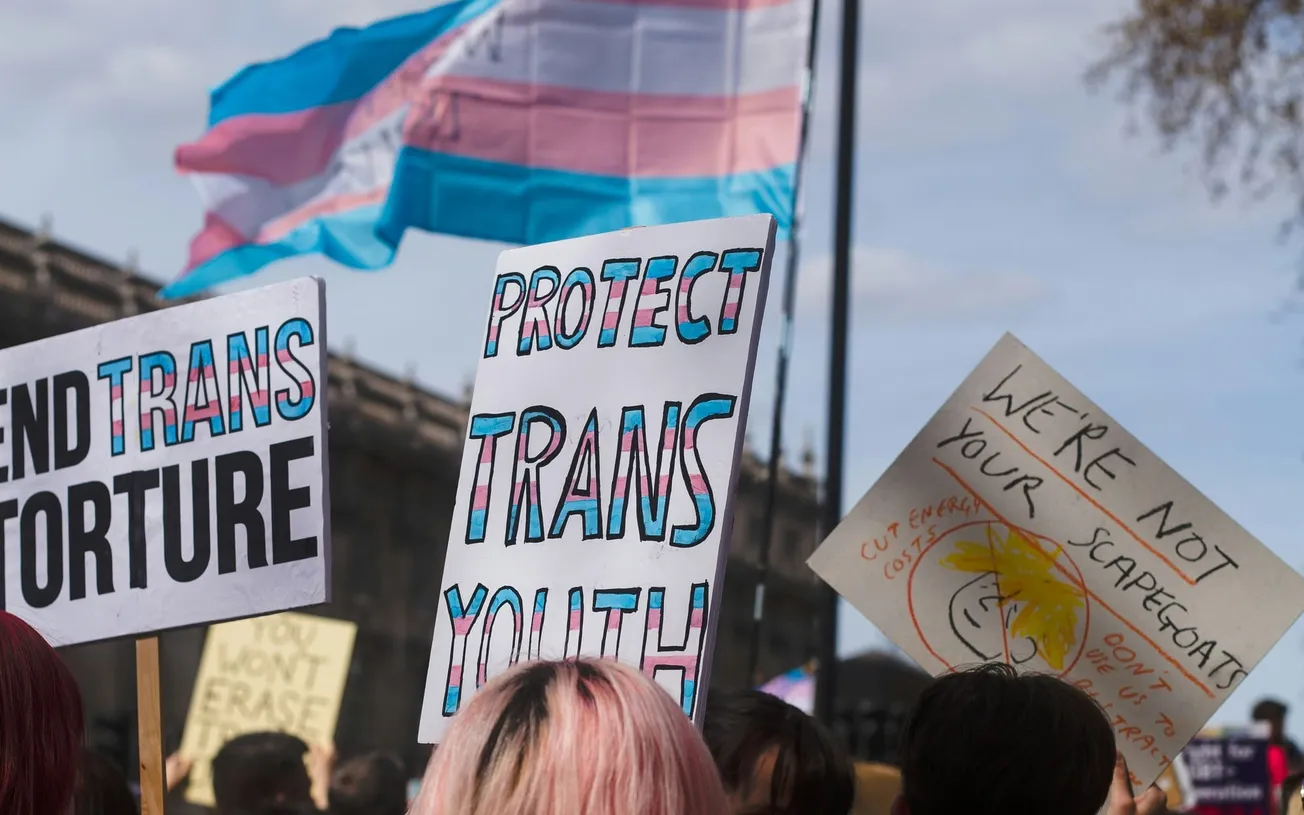
In July, the Justice Department announced it had issued “more than 20” subpoenas to providers of gender-affirming care to investigate potential “healthcare fraud, false statements, and more.” Just seven of these are a matter of public record, and only because they’ve been challenged in federal court. All are nearly identical, but QueerDoc is the only small, independent practice known to have received one. Every other public subpoena was sent to a major children’s hospital.
So far, federal judges have consistently ruled against the DOJ, either throwing out the subpoenas altogether or significantly limiting their scope. The Trump administration has appealed several of these decisions, but QueerDoc’s case was the first to be heard by an appellate court. That’s because, out of all its subpoena fights, DOJ specifically asked for this one—where its opponent is a small practice without an in-house legal department—to be expedited.
Adrien Leavitt, an attorney with the American Civil Liberties Union of Washington who is working with QueerDoc, told STAT News he suspects this was a purposeful choice. “I think that there’s something profound about the fact that the government sought expedited review and was granted expedited review in this case, but didn’t do so in other cases,” he said.
QueerDoc founder Dr. Crystal Beal told Autonomy News in November that the threat of these invasive subpoenas goes beyond gender-affirming care. “If they can violate patient privacy protections for specific types of health care, that doesn't affect just trans people. That affects everyone,” Beal said. “Anyone who's ever gotten a birth control prescription, anyone who's ever gotten abortion medication, or anyone who's ever gotten an antidepressant. If they set the precedent with this for gender-affirming care, it's devastating to every American.”
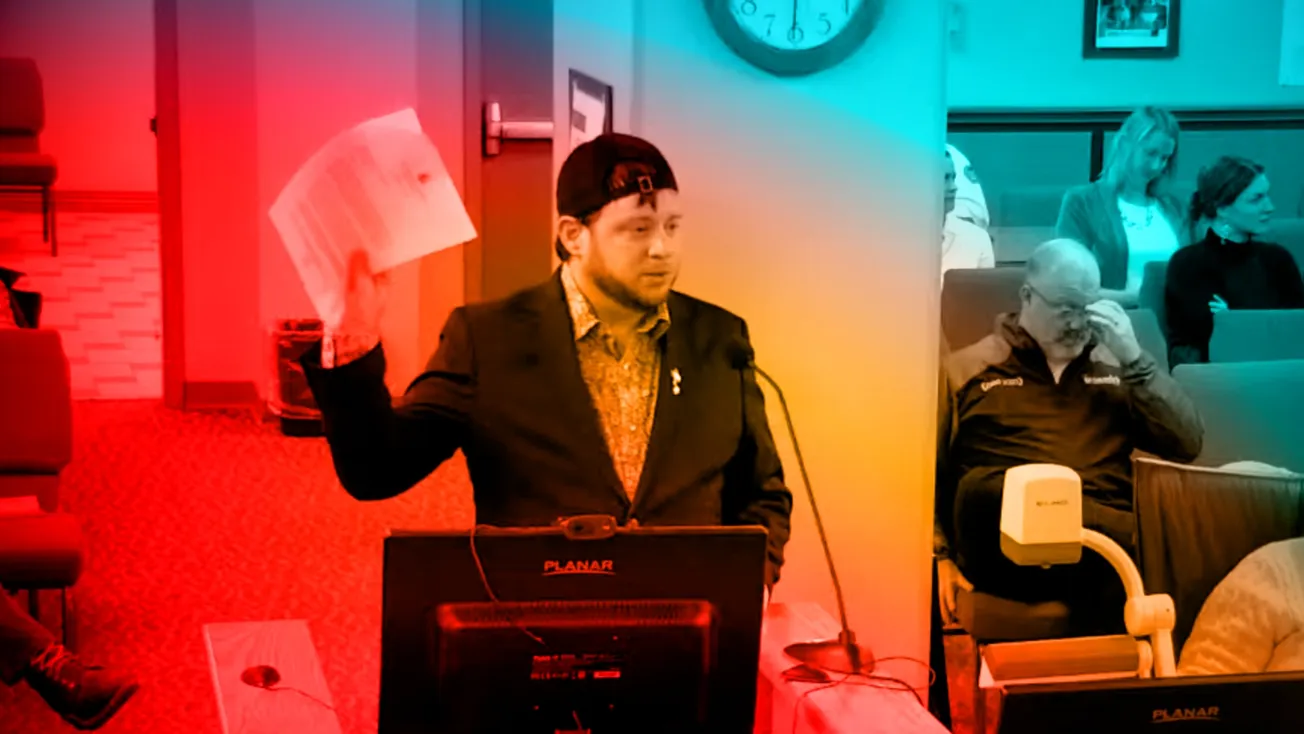
This risk was evident during Friday’s arguments before a three-judge panel. According to the DOJ, the subpoenas are intended to investigate potential violations of the Food, Drug, and Cosmetic Act. Specifically, DOJ attorney Sarah Welch—a former clerk for Supreme Court Justice Brett Kavanaugh—alleged during the hearing that drugs such as hormones and puberty blockers may be “misbranded” when they are used for gender-affirming care. Misbranding is when drug labels or advertisements don’t reflect the uses they are approved for by the Food and Drug Administration; this is illegal.
However, as QueerDoc’s attorney Paula Ramer pointed out, it’s perfectly legal for medical providers to prescribe drugs "off-label”—meaning for uses or at doses not specifically approved by the FDA. The Food, Drug, and Cosmetic Act regulates how manufacturers can label and advertise medications, not how medical providers prescribe them to patients.
In response to a question from Judge Richard Paez, a Bill Clinton appointee, the DOJ’s Welch claimed gender-affirming care providers like QueerDoc could be committing “conspiracy [with manufacturers] to engage in this kind of off-label promotion.”
Off-label prescriptions are incredibly common, with different studies finding that anywhere from 21 percent to nearly one-third of all prescriptions are off-label. FDA approval is expensive and complicated, and manufacturers don’t often spend the millions of dollars required for supplemental approvals when their drug is already on the market.
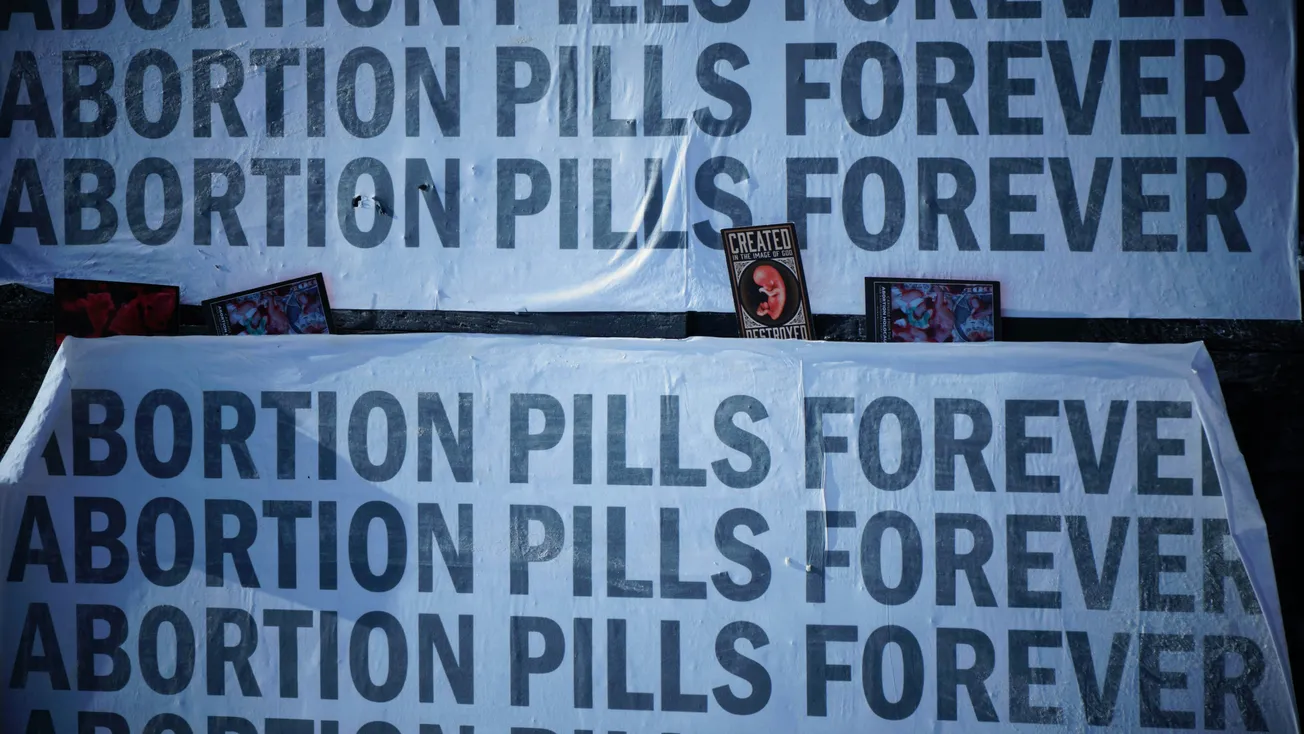
And with multiple lawsuits currently taking aim at the abortion medication mifepristone—especially providers’ ability to prescribe it via telehealth—off-label prescriptions could be key to preserving abortion pill access in the event a federal judge, or Trump’s FDA, attempts to restrict it.
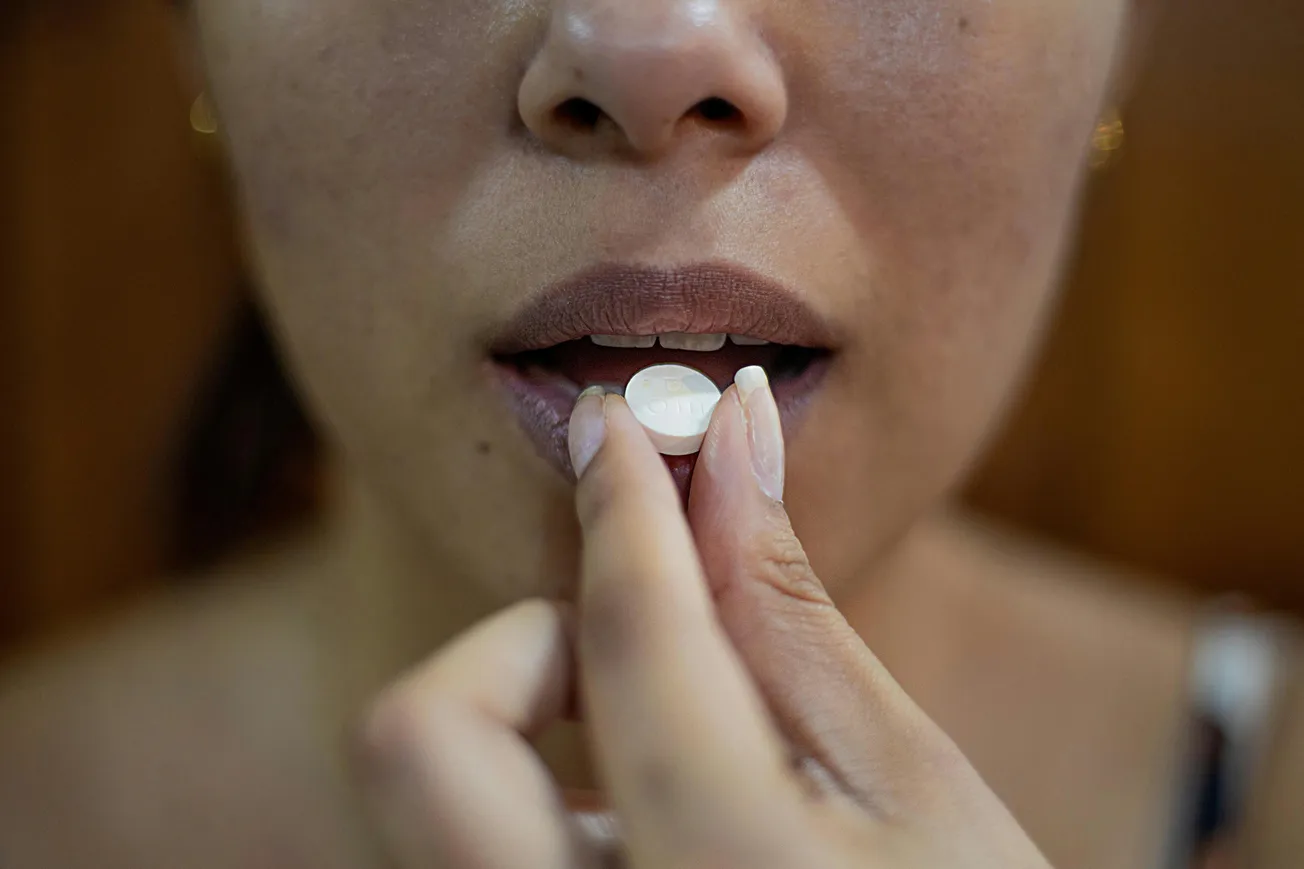
Mifepristone is regulated under a special FDA program called Risk Evaluation and Mitigation Strategies (REMS), which allows the agency to place additional restrictions on its distribution. This is why, prior to a 2021 change, providers were required to dispense mifepristone in person. But misoprostol, a second drug normally used in combination with mifepristone for medication abortion, works well on its own—and it’s not subject to REMS.
Should a federal judge or the FDA attempt to reinstate outdated restrictions on mifepristone, providers could still prescribe misoprostol-only abortions via telehealth. In fact, abortion providers across the country already planned and prepared for this starting in 2023, when a lawsuit from anti-abortion physicians attempting to remove mifepristone from the market worked its way to the Supreme Court.
The only problem: Misoprostol-only abortions are technically off-label. In fact, misoprostol is only approved in the United States for the treatment of stomach ulcers. According to the World Health Organization, misoprostol is an essential medicine because of its many important obstetric uses, including safe abortion, labor induction, and treatment of postpartum hemorrhage. But in the U.S., each one of these vital uses is off-label.
If the Trump administration’s position is that a provider who prescribes off-label medications for a purpose it doesn’t like is engaging in conspiracy to commit healthcare fraud, that could be the end of misoprostol-only abortion before it even gets started. To be sure, there will still be community networks providing abortion pills outside the health system. But nearly 30 percent of all clinician-provided abortions in the U.S. are currently done via telehealth—tens of thousands per month. It’s not clear whether existing community networks could absorb this volume, or whether struggling brick and mortar clinics could, either.
And to Beal’s point about patient privacy concerns, the DOJ suggested that not all the institutions it subpoenaed have put up a fight—though it’s impossible to know whether this is true. “Other subpoena recipients have answered subpoenas,” said Welch. “We have hundreds of thousands of pages of documents that we've received as a result of the subpoenas.” This is a chilling admission at a time of increasing state surveillance of transgender people.
District Judge Jamal Whitehead, who quashed this subpoena in October, agreed with QueerDoc’s attorneys that it was clearly an attempt to intimidate providers out of offering gender-affirming care, rather than a legitimate investigation of fraud.
Perhaps not surprisingly, judges Carlos Bea, a George W. Bush appointee, and Daniel Bress, a Donald Trump appointee, didn’t seem particularly sympathetic to that argument. The judges didn’t give any indication as to when they would rule.
This story was edited and fact checked by Susan Rinkunas.
Follow Autonomy News on Instagram, Bluesky, TikTok, and LinkedIn.