Table of Contents
Welcome to the latest edition of our weekly roundup. Every Monday, we’ll send you a summary of the biggest stories about bodily autonomy. We’ll also include links to pieces that Garnet or Susan have published.
If you’d prefer to receive a single email every week, you can do that—we love autonomy. You can manage your subscriptions by navigating to the site, clicking on “Account” in the upper right, then under “Emails,” select “Manage.” You can toggle off “Autonomy News” to receive only the roundup, or vice versa.
Let’s dive in.
On Autonomy News
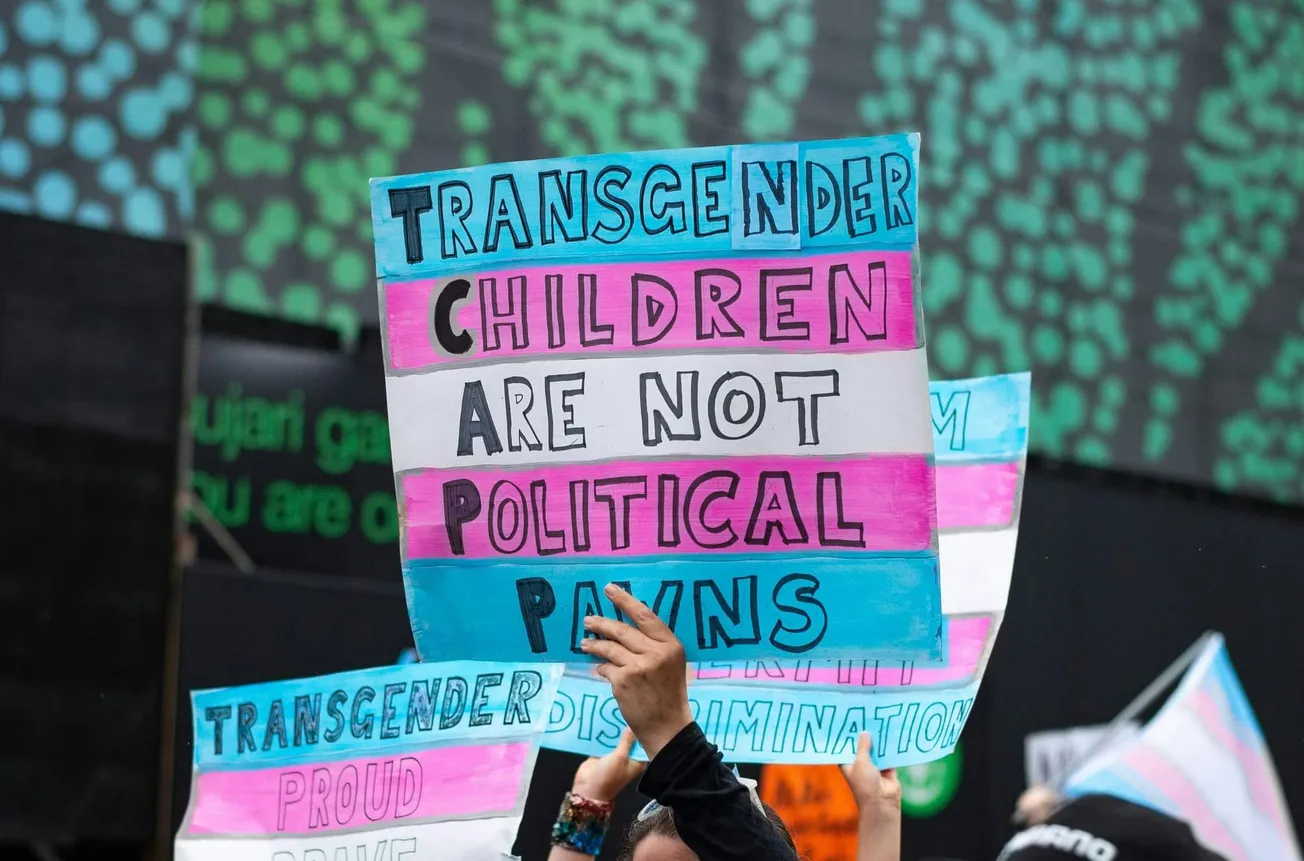
Republican lawmakers in Missouri hope they can get voters to overturn state abortion protections passed in 2024 by adopting a new constitutional amendment that includes a ban on gender-affirming care for minors. As Susan explained, that care is already banned, but the GOP is weaponizing transphobia ahead of the November vote. The first poll suggests Missourians support it by a margin of 47 to 40 percent. (Share this story on Instagram, Bluesky, or TikTok.)
 Susan Rinkunas
Help keep our journalism paywall-free in 2026! Upgrade to a paid subscription, drop a little something in our Tip Jar, or shop our merch. Interested in making a more substantial gift? Learn more here.
Federal news
Senate Republicans rejected an attempt by Democrats to overturn the reinstatement of what amounts to an abortion ban for veterans. In a December memo written by fetal personhood freak Josh Craddock, the Department of Justice abruptly reversed a Biden policy that allowed the Department of Veterans Affairs to provide abortion counseling and services to veterans and their dependents if their health was endangered by a pregnancy, or if it was a result of rape or incest. Last week, Democratic Senators used a little-known procedural move that allows Congress to overrule federal agencies in an attempt to nix the ban. They acknowledged that it was unlikely to succeed, but said they wanted to force Republicans to go on the record with their opposition to abortion coverage for veterans even in the extremely limited circumstances the Biden policy allowed.
New data from the Guttmacher Institute shows that the abortion rate stayed mostly the same from 2024 to 2025, with an estimated 1,126,000 clinician-provided abortions taking place last year. However, shifts continue in where people are getting care. In 2025, the number of abortions in states without total bans declined somewhat, from 1,049,000 to 1,036,000. On the other hand, the number of abortions provided by telehealth to people in states with total bans continued to rise: There were an estimated 72,000 ban-state telehealth abortions in 2024, and 91,000 in 2025. The number of people traveling across state lines to access care remained significant, though it did decrease, from 74,000 in 2024 to 62,000 in 2025. It’s not hard to see why anti-abortion politicians like Louisiana Attorney General Liz Murrill, for example, are so angry about telehealth abortion care—clinicians provided over 9,000 abortions to people in Louisiana last year, compared to just 2,500 in 2023.
Abortion pill news
Five Senate Republicans claim to have launched “investigations” into mifepristone manufacturers. They also sent a letter urging the Food and Drug Administration to aggressively target pill providers. Leading the effort is Sen. Bill Cassidy, chairman of the Senate Health Committee, who hosted a misinformation-laden hearing about abortion pills in January. Cassidy sent letters to manufacturers Danco, GenBioPro, and Evita, demanding information on how the companies are complying with FDA regulations. The letters include questions about why the first two companies “direct” people to online prescribers that offer mifepristone beyond the FDA-approved use of the first 10 weeks of pregnancy. Cassidy is a physician and knows very well that doctors have agency to prescribe drugs off-label when data supports their use, but the Trump administration appears to have off-label medication use in its crosshairs.
The Senators’ letter to the FDA is much more alarming, as they urge Commissioner Marty Makary to wage a multiagency crackdown on “misbranded and unapproved” mifepristone from online clinics and “retailers.” They suggest the FDA coordinate with Customs and Border Protection (CBP) and the U.S. Postal Inspection Service (USPIS) to intercept packages coming into or being mailed within the U.S., as well as work with the Department of Justice to investigate senders. The letter mentions the 2020 prosecution of a New York woman named Ursula Wing who sold mifepristone and misoprostol online. A lot has changed since then, as people in ban states can now get a prescription from clinicians in protective states under “shield” laws. Community networks also mail pills to people for free.
Anti-abortion group Susan B. Anthony Pro-Life America, which lauded Cassidy’s letters, released yet another poll claiming voters want to end telemedicine prescriptions of abortion pills. But this survey bears the fingerprints of billionaire judicial activist Leonard Leo: The Leo-founded CRC Research conducted the poll for The 85 Fund, one of his many non-profits. Leo funneled money to groups that advised Project 2025, which called to end telemedicine abortion. He also personally curated the shortlist of Donald Trump's Supreme Court candidates, from which Trump chose three justices who voted to overturn Roe v. Wade.
Missouri Attorney General Catherine Hanaway is trying to use the anti-abortion coercion narrative in the state’s ongoing lawsuit against the FDA over mifepristone. On Friday, Hanaway filed a declaration from a St. Louis woman who claims that her ex-boyfriend gave her “abortion pills” without her consent in July 2025. The woman’s declaration never names the medication, but her description suggests the pills could have been misoprostol—which is not the subject of the litigation. She claims that a “doctor prescribed me something to empty the contents of my uterus… I knew I had seen that pill, before. It looked like the ‘vitamins’ [my boyfriend] had given me.” But it's misoprostol—not mifepristone—that causes uterine contractions to expel pregnancy tissue. Reproductive coercion is abhorrent, and it can be criminally prosecuted under laws including assault. Past cases do not mean that people have standing to sue the FDA or that judges can force the agency to reimpose outdated requirements.
Fresh abortion pill nonsense: Missouri AG Catherine Hanaway filed a declaration Friday in case against FDA of a woman claiming her ex drugged her with mifepristone. But woman's statement doesn't name the drug and suggests it could have been misoprostol—which isn't subject of the suit! (links in alt)
— Susan Rinkunas (@susanrinkunas.com) 2026-03-30T17:54:57.388Z
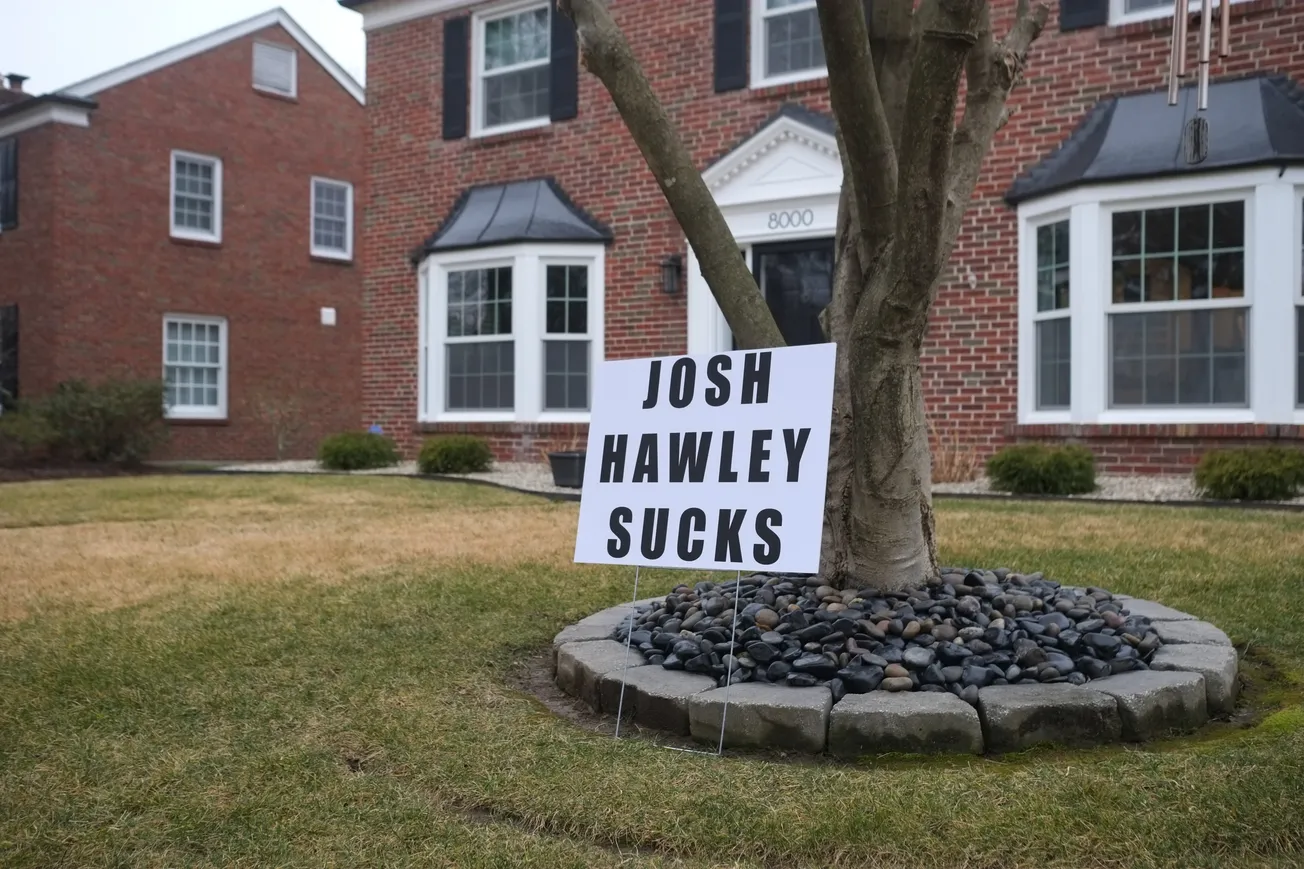
Two weeks ago, we covered a bill from Missouri Senator Josh Hawley that would strip FDA approval of mifepristone for pregnancy termination. But as we have previously explained, most Republicans see abortion as a third rail issue they don’t care to touch before the midterms, so the bill isn’t likely to go anywhere—for now.
Elections
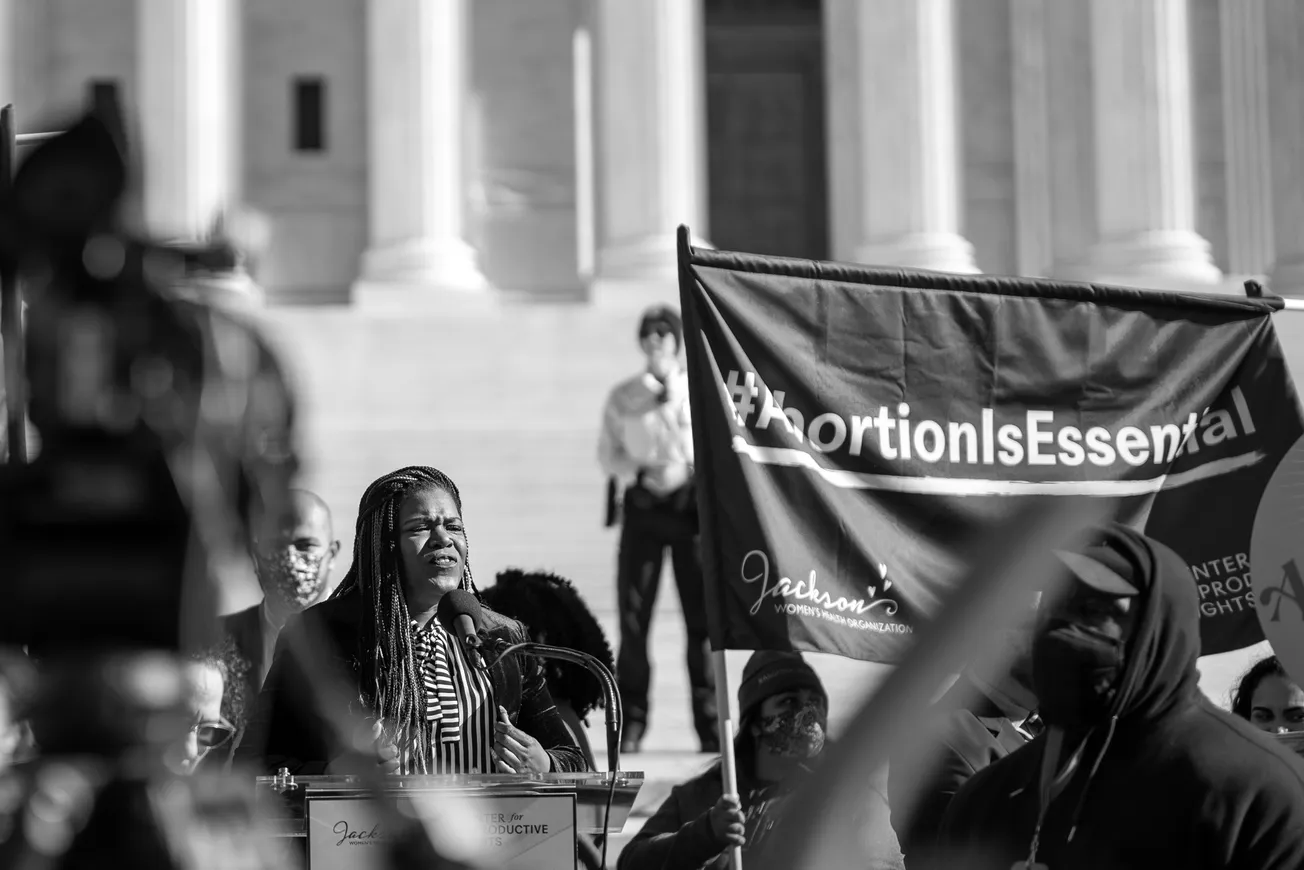
Midterm elections are drawing closer, and last week, Planned Parenthood Action Fund made a curious choice in the Democratic primary for Missouri’s 1st district by endorsing first-term incumbent Wesley Bell over former Rep. Cori Bush. Bush is a champion for reproductive rights and justice who shared her own abortion story and co-sponsored a bill to partially repeal the 19th-century Comstock Act, a dormant law that abortion opponents hope to use to ban the procedure nationwide. (Meanwhile, Bell didn’t appear to know what Comstock was when Susan confronted him in 2024.) Bush was also a lead sponsor of the Abortion Justice Act, which would codify a federal right to abortion, including insurance coverage—meaning it would repeal the Hyde Amendment. Bell was originally running for Senate in 2024 and only joined the House race after Bush called for a ceasefire in Gaza. The super PAC for the American Israel Public Affairs Committee (AIPAC) spent $8.5 million backing Bell’s campaign and he defeated Bush in that primary by 5.5 points.
State news
As we told you last week, Ohio Republicans are supporting a bill that would impose a 24-hour waiting period for abortion care, despite the fact that a judge blocked a near-identical law because it violates the state’s 2023 reproductive freedom constitutional amendment. HB 347 has passed the House, and now moves on to the Senate. Another bill, HB 783, would require abortion providers to tell patients about abortion pill “reversal,” an unproven and potentially dangerous treatment; that bill is still in committee.
Virginia Governor Abigail Spanberger has until April 13 to decide whether to sign a bill that guarantees individuals the right to use contraception, and health care providers’ right to prescribe it. Anti-abortion groups have criticized the bill because they say it doesn’t have exceptions for health providers who object to certain forms of birth control.
Three anti-abortion bills have passed the Kansas legislature. HB 2727 would allow lawsuits against abortion providers accused of violating the state’s biased “informed consent” requirements to bypass the normal medical malpractice process, making it easier to sue abortion providers and abortion providers alone. Closely related HB 2729 would require the health department to produce materials for abortion providers and patients related to the “informed consent” law, known as the Woman’s Right to Know Act. As we’ve reported, the Woman’s Right to Know Act is being challenged in court and most of its provisions are likely to be permanently blocked. Kansas is being represented by the Christian nationalist law firm Alliance Defending Freedom in that case, and speaking of, Kansas lawmakers also passed HB 2365, a version of ADF’s model legislation that protects anti-abortion crisis pregnancy centers from lawsuits and state regulation. Governor Laura Kelly, a Democrat, vetoed the last bill, and could do the same the rest, but the legislature has a veto-proof majority and it overrode her veto late on Friday.
An independent abortion clinic in North Carolina, where abortion is banned after 12 weeks of pregnancy, will halt abortion services this week and eventually close its doors. A Woman’s Choice said it would see its last abortion patients in Greensboro on Tuesday, though it will remain open through the end of April for follow-up care. AWC said it would refer callers to its Danville, Virginia, clinic (about 40 minutes away), and will maintain its two other locations in the state—in Charlotte and Raleigh—as well as Jacksonville, Florida. Data from advocacy organization Abortion Care Network shows that indie clinics provide the majority of abortions in the U.S., but more than 100 of them have closed since the fall of Roe in 2022.
In Alabama, a group of midwives and birth centers are asking the state Supreme Court to overturn an appeals court decision that allows the state to require birth centers to obtain hospital licenses. The plaintiffs note that their clients are low-risk pregnant patients, and there’s no reason to make birth centers have doorways and hallways that could fit hospital beds. They say the requirements are a de facto ban on their operation, though the rules are on hold for now.
Two Kentucky women are suing over the state sales tax on menstrual products like tampons and pads. Their suit argues that the 6 percent tax violates both the Kentucky and the U.S. constitutions by discriminating on the basis of sex. Kentucky is one of 18 states that still tax period products, and the legislature has previously failed to repeal it.
Personhood watch
The Georgia woman arrested for murder after allegedly using misoprostol to end her pregnancy was released on bond, in part because a judge was skeptical about the charge. Judge Stephen Blackerby set the bond for murder at $1, saying, “I have concerns that the state would ever be able to secure a conviction of malice murder.” District Attorney Keith Higgins, who has not responded to Autonomy News’ request for comment, said local police didn’t consult his office before seeking a warrant. Higgins said he agreed with the woman’s public defender, Kelly Turner, that state law doesn’t permit prosecutions for self-managed abortion. He said he wasn’t preparing to bring the charge to a grand jury—but that he also wasn’t ready to drop it, either.
The Tennessee House has passed a supercharged version of Texas’ HB 7, the law that allows people to sue providers, distributors and manufacturers of abortion pills for bounties of at least $100,000. The Tennessee House version, HB 5, raises this bounty to a maximum of $1.5 million, and makes it a felony to knowingly provide abortion-inducing drugs to someone in the state. A version of the bill had already passed in the Senate, but the Senate will now need to consider the amended House version. The bill encourages wrongful death lawsuits over fetuses, making this a fetal personhood law in addition to one meant to scare people out of providing abortion pills.
Even though Arizona voters adopted constitutional protections for reproductive rights with over 60 percent of the vote in 2024, Republican lawmakers in the state have introduced more than a dozen anti-abortion bills this year, mostly relying on the legal framework of fetal personhood.
First Amendment watch
A federal judge ruled that a Massachusetts abortion clinic’s lawsuit against a crisis pregnancy center alleging false advertising can move forward. As we’ve reported, states’ attempts to regulate CPCs on the basis that they mislead consumers haven’t fared well, but this case is substantially different. In it, abortion provider Four Women Health Services is suing the nearby Abundant Hope Pregnancy Resource Center, accusing the center of using misleading advertising to make people think they offer the same types of services as Four Women.
Assaults on queer people
The Idaho legislature approved an especially cruel bathroom ban, which would make it a criminal offense for someone to use a bathroom or changing room that doesn’t align with their sex assigned at birth. A first offense would be a misdemeanor punishable by up to one year in prison, while a second offense within five years would be a felony carrying a sentence of up to five years in prison. The law would apply to government buildings as well as private businesses. Only three other states—Utah, Florida, and Kansas—have bathroom bans with criminal penalties. LGBTQ+ advocates opposed the ban, and perhaps surprisingly, so did the Idaho Fraternal Order of Police, which said it would be difficult for cops to enforce the ban without taking steps that could be considered “invasive and inappropriate.” Governor Brad Little hasn’t indicated whether he’ll sign the bill, but it passed with broad Republican support.
A group of transgender people in West Virginia asked the full Fourth Circuit Court of Appeals to reconsider a ruling from a three-judge panel that said the state can ban Medicaid coverage of gender-affirming surgeries for people of any age. A trial judge had previously found that the ban violated anti-discrimination protections, and the plaintiffs clearly hope the nine Democratic appointees on the full, 15-member court will side with them. But if they’re successful before the full appeals court, it’s almost certain the state will appeal to the Supreme Court.
The International Olympics Committee adopted a policy that will require all women athletes to undergo one-time gene testing in order to compete in women’s events, starting at the Los Angeles 2028 games. This is a transphobic policy intended to exclude trans women from Olympic competition, but in practice, it will primarily affect intersex athletes.
The American Medical Association said it asked the New York Times for a correction, alleging the paper misrepresented its position on gender-affirming surgery in a sloppy story from February. In the story, the Times claimed that the AMA was taking the same position as the American Society of Plastic Surgeons, supporting new limits on surgeries for minors. (These are rare to begin with.) The AMA said it had not changed its position and the Times merely printed an unsigned statement approved by its board. On Friday, the Times responded to the AMA’s critique in a press release—not a reported story—by calling its previous reporting “accurate and factual.”
Quick hits
- More than $8 million worth of birth control that had been intended for low-income countries in Africa is now unusable after being transported and stored improperly following the Trump administration’s attempt to incinerate it, according to an internal United States Agency for International Development memo.
- Doctors Without Borders says the pharmaceutical company Gilead won’t sell them lenacapavir, an injectable HIV prevention medication that only needs to be administered twice per year. The sticking point isn’t price—it’s that Gilead won’t sell, period.
- Republicans tried to save the SAVE Act—a voter suppression bill that, among other things, would make it extremely difficult for married women and trans people who’ve changed their names to vote—by adding an amendment that would have banned trans girls from playing girls’ sports. Here’s why that attempt failed.
- RePROs Fight Back has released its annual 50-state reproductive and sexual health and rights report card. The interactive report finds that legal attacks on bodily autonomy have created a “patchwork of care.”
- A new study found that people using Opill, the first over-the-counter birth control pill, are more likely to be young, single, and uninsured. A significant number of them switched to Opill after using no contraception or a less effective method, suggesting that OTC birth control is doing exactly what it was meant to do—improve access.
- Which researchers were hit hardest by Trump’s National Institutes of Health cuts? According to a new paper, women were disproportionately affected, especially those early in their careers.
- Racist goblin Stephen Miller is apparently trying to force a challenge to a landmark Supreme Court decision holding that noncitizen children have a right to public elementary school education.
Palate cleanser
The age-old debate.
@cody.taurus Bro took it too far w that last one…
♬ Paint It, Black - (Original Single Mono Version) - The Rolling Stones
Follow Autonomy News on Instagram, Bluesky, TikTok, and LinkedIn.