Table of Contents
Autonomy News is a reader-funded, independent publication. Our reporting isn't possible without your support. Please consider becoming a paid subscriber or making a gift from a donor-advised fund today.
Welcome to the latest edition of our weekly roundup. Every Monday, we’ll send you a summary of the biggest stories about bodily autonomy. We’ll also include links to pieces that Garnet or Susan have published.
If you’d prefer to receive a single email every week, you can do that—we love autonomy. You can manage your subscriptions by navigating to the site, clicking on “Account” in the upper right, then under “Emails,” select “Manage.” You can toggle off “Autonomy News” to receive only the roundup, or vice versa.
Let’s dive in.
On Autonomy News
Last week, the Supreme Court ruled unanimously in favor of First Choice Women’s Resource Centers, a crisis pregnancy center chain in New Jersey that sued to avoid answering a subpoena from the state Attorney General. Among other things, the subpoena sought evidence to back up the center’s claims about abortion pill “reversal”—an unproven and potentially dangerous medical “treatment”—and information about its donors. Christian nationalist law firm Alliance Defending Freedom, which represented First Choice, compared this to former Confederate states’ efforts to force the NAACP to produce lists of its members during the Civil Rights Era. The American Civil Liberties Union also filed a brief in support of First Choice.
Technically, the Supreme Court was only considering a procedural question: Whether First Choice was right to sue in federal court, or whether it should have tried state court first. However, the Court’s decision to side with First Choice gives the green light to a host of other lawsuits, in which the anti-abortion legal movement is working to use Trump-appointed federal judges to turn Democratic states’ efforts to regulate CPCs against them. You can learn more about this legal strategy in the investigation we copublished with Mother Jones late last year.
 Garnet Henderson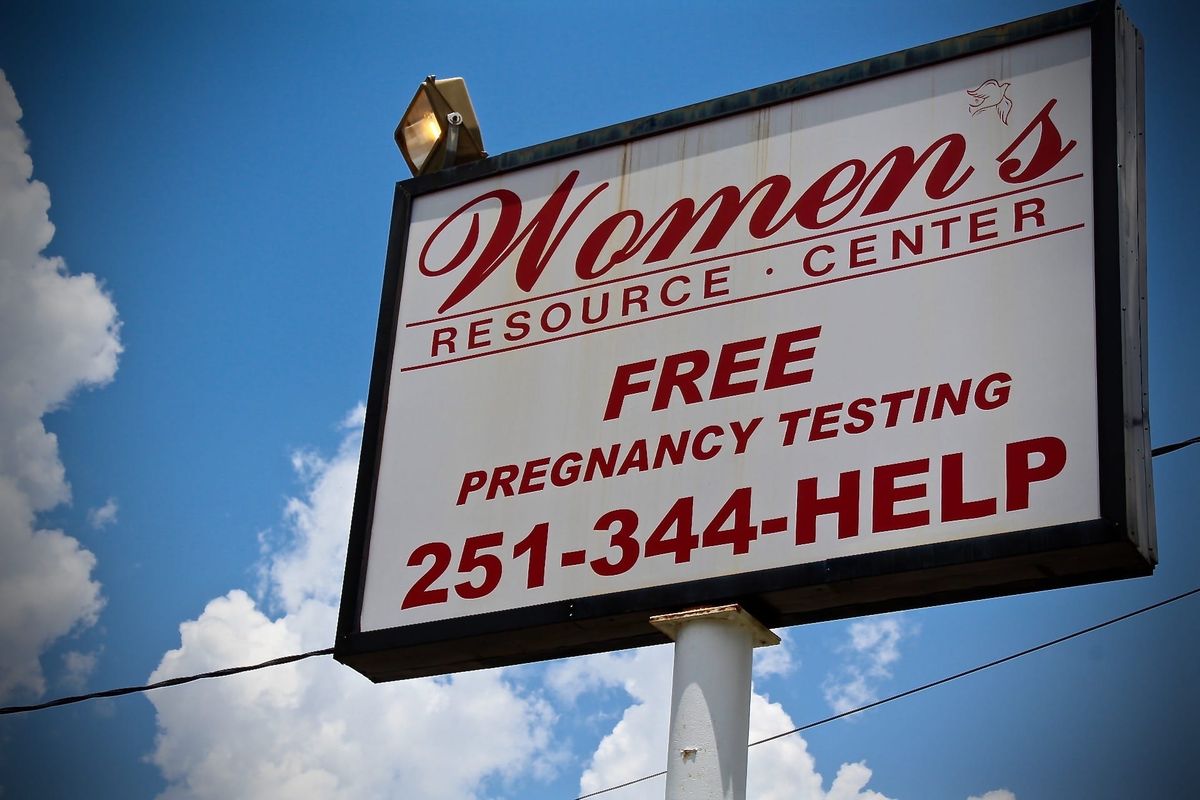
For its part, New Jersey isn’t backing down: Despite the Supreme Court loss, current AG Jennifer Davenport is asking a state court to decide whether or not the subpoena is enforceable, in the hopes that an investigation into First Choice can move forward.
Federal news
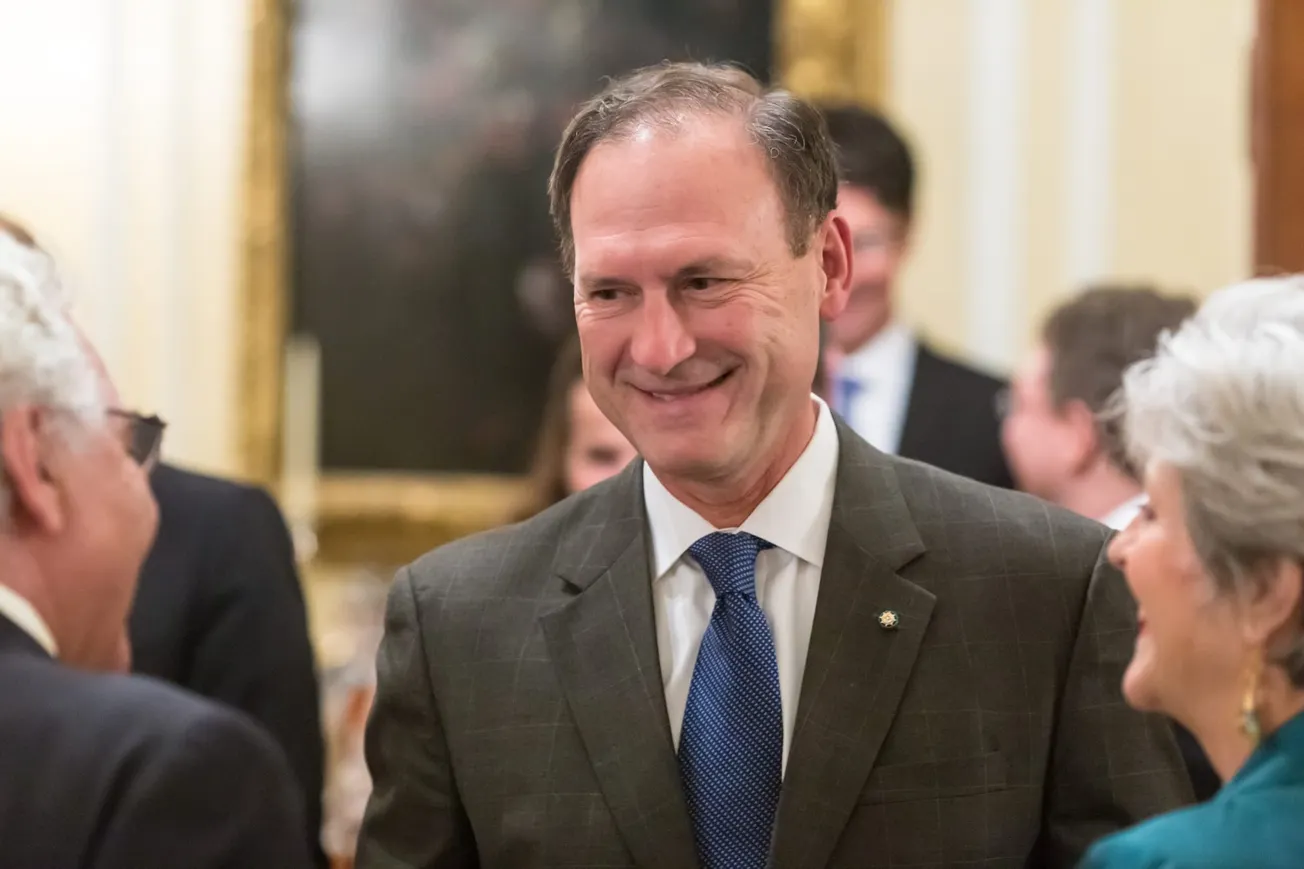
On Monday morning, the Supreme Court paused a ruling from the Fifth Circuit Court of Appeals that halted telemedicine prescriptions of mifepristone. The pause will last for one week, meaning access to medication abortion is unchanged until May 11 at 5pm ET. The order came following emergency appeals from manufacturers Danco and GenBioPro in a case that Louisiana filed against the Food and Drug Administration. The order was signed by Justice Samuel Alito, who handles appeals from the Fifth Circuit—but the author of the Dobbs decision has not suddenly changed his tune on abortion.
We’ve been covering this case, and here’s a recap: Louisiana sued the FDA in October arguing that allowing telehealth prescriptions made it harder for the state to enforce its abortion ban because residents could get pills from providers in other states. A Trump-appointed judge said in April that he was putting the case on hold at the request of the FDA so it could complete an unnecessary and politicized “safety review.” Louisiana appealed that decision to the Fifth Circuit, which ruled on Friday afternoon that it was halting telemedicine of mifepristone. The two manufacturers appealed to the Supreme Court on Saturday.
The Supreme Court said Louisiana’s formal response is due by 5pm on Thursday, May 7. Other interested parties will also file briefs, and one already came in from the Democratic Attorneys General of 22 states and Washington, D.C. They argue that ending telehealth harms states’ ability to promote abortion access, especially given the strains on capacity at brick-and-mortar clinics as they care for out-of-state patients. Even if telehealth access to mifepristone is limited, some abortion providers are prepared to offer telehealth abortions using only misoprostol, the second drug in the typical regimen. Misoprostol is safe and effective on its own, but it does take longer and involve more side effects.
In April, the Environmental Protection Agency quietly recommended that states test drinking water for pharmaceuticals including misoprostol and methotrexate—a drug used off-label to treat ectopic pregnancies—as well as ethinyl estradiol, an active ingredient in several forms of hormonal birth control. Interestingly, the list does not include mifepristone, which is the top target of anti-abortion groups that want to weaponize environmental regulations to limit abortion access. However, Students for Life of America said last year that the EPA encouraged its members to submit comments calling for mifepristone to be added to the contaminants list. (The group has suggested that people “are likely drinking other people’s abortions.”) Oregon Senator Ron Wyden demanded that the EPA provide “scientific, peer-reviewed justification” for putting these medications on the list by May 5.
Last week, we mentioned the stalled confirmation process for Casey Means, Trump’s underqualified, wellness influencer Surgeon General nominee. Shortly thereafter, Trump finally gave up and nominated someone new: Nicole Saphier, a radiologist and Fox News contributor. She wrote a 2020 book called Make America Healthy Again: How Bad Behavior and Big Government Caused a Trillion-Dollar Crisis—before Health Secretary Robert F. Kennedy Jr. adopted that phrase as his campaign slogan. Saphier argues that “personal responsibility,” not “socialized medicine,” is the key to improving our health. In other words, stop being poor! Like Means, Saphier has some wishy-washy stances on vaccines, but unlike Means, she actually has a current medical license. Notably, she opposes abortion, boasts that she “chose life” when she got pregnant in high school, and—as a breast imaging specialist—believes breast cancer prevention should involve encouraging people to have children at younger ages. She also opposes gender-affirming care and has said that transgender identity is a mental illness that rises to the level of a “national emergency.” Oh, and she owns a supplement company, because of course she does.
State news
The Oklahoma legislature passed a bill that would make it a felony to knowingly provide “abortion-inducing drugs” to a pregnant person who intends to use them to end their pregnancy. Violating the law—which has exceptions for the treatment of ectopic pregnancy and miscarriage—carries a penalty of up to $100,000 and/or 10 years in prison. HB 1168 now awaits the signature of Governor Kevin Stitt.
In Iowa, the legislature passed HF 2788, a bill that would require abortion-inducing drugs to be prescribed in person and dispensed in a medical setting—effectively reinstating pre-2016 Food and Drug Administration abortion pill regulations on the state level. Abortion is currently banned at around six weeks in Iowa, and two in-person visits to a clinic are already required, making this bill redundant. It now heads to Governor Kim Reynolds’ desk.
An Illinois Senate committee advanced a bill that would protect personal information related to prescriptions for gender-affirming care and abortion. House Bill 4834 removes testosterone from the state’s prescription drug monitoring program, a database intended to protect against misuse of addictive drugs. The bill would also prohibit the state from adding estrogen, or the abortion medications mifepristone or misoprostol, to the program.
All the abortion-related bills introduced in Kentucky’s recent legislative session failed. That includes measures that would have created new penalties and restrictions on top of the state’s existing total ban, as well as bills that would have repealed or added broader exceptions to the ban.
Elections
Early voting is underway in Georgia for two seats on the state Supreme Court, an election that’s even more consequential after the U.S. Supreme Court functionally overturned what was left of the Voting Rights Act. Incumbent justices Sarah Warren and Charlie Bethel both voted to reinstate Georgia’s six-week abortion ban, and pro-choice groups have endorsed two challengers: Attorney Miracle Rankin and former Democratic state Senator Jen Jordan. Jordan told Bolts Magazine that she expects to see more lawsuits over gerrymandering in state courts. May 19th is the final day to vote.
A Democrat running for the Pennsylvania House of Representatives received an unsolicited endorsement from an anti-abortion group. LifePAC said it recommended Pat Catena for the 45th House District because “he has told us of his pro-life views in the past.” In response to the endorsement, Catena said, “My commitment is to protect personal freedom and ensure that every resident has the ability to make private decisions without political interference." Reproductive rights groups have endorsed another candidate, Brittany Bloam. Democrats have a one-seat majority in the chamber, which is crucial to blocking further abortion restrictions.
Ballot measures
Missouri Governor Mike Kehoe is considering moving a constitutional amendment that would reinstate an abortion ban from the November general election to the August primary, when turnout is lower. The ballot measure would repeal one that voters passed in 2024. Missouri Republicans have been desperate to undermine that result ever since. Kehoe has until May 22 to move any of the five measures currently set for the November ballot. For what it’s worth, his predecessor moved ballot measures up to August in both 2018 and 2020, and the Republican position failed each time.
When he was inaugurated in 2023, Illinois Governor JB Pritzker said he wanted to establish constitutional protections for reproductive rights. But more than three years later, no movement has been made toward that goal, despite his administration’s other steps to protect access to abortion.
In Virginia, anti-abortion medical groups are suing the state over its proposed reproductive freedom ballot initiative, claiming falsely that the proposed amendment would invalidate a host of Virginia laws—including protections against rape—and undermine the state’s ability to set medical standards for abortion care.
Personhood watch
An organization called Voice for the Voiceless has filed a wrongful death suit against seven Utah fertility clinics, claiming that their practice of destroying non-viable embryos violates state law. It focuses on the experiences of one anonymous plaintiff in particular, an in vitro fertilization patient who says she suffered “emotional distress” after learning that some of her embryos were destroyed. She claims that had she been aware of embryo adoption—an approach some in the anti-abortion movement present as an alternative to embryo destruction—she would have chosen that instead. In press around the lawsuit, the director of Voice for the Voiceless touted “NaPro Technology” and “Restorative Reproductive Medicine,” two dubious alternatives to IVF embraced by both the anti-abortion and MAHA movements. It’s true that these methods don’t involve destroying embryos—but that’s because they don’t create embryos in the first place.
Assaults on queer people
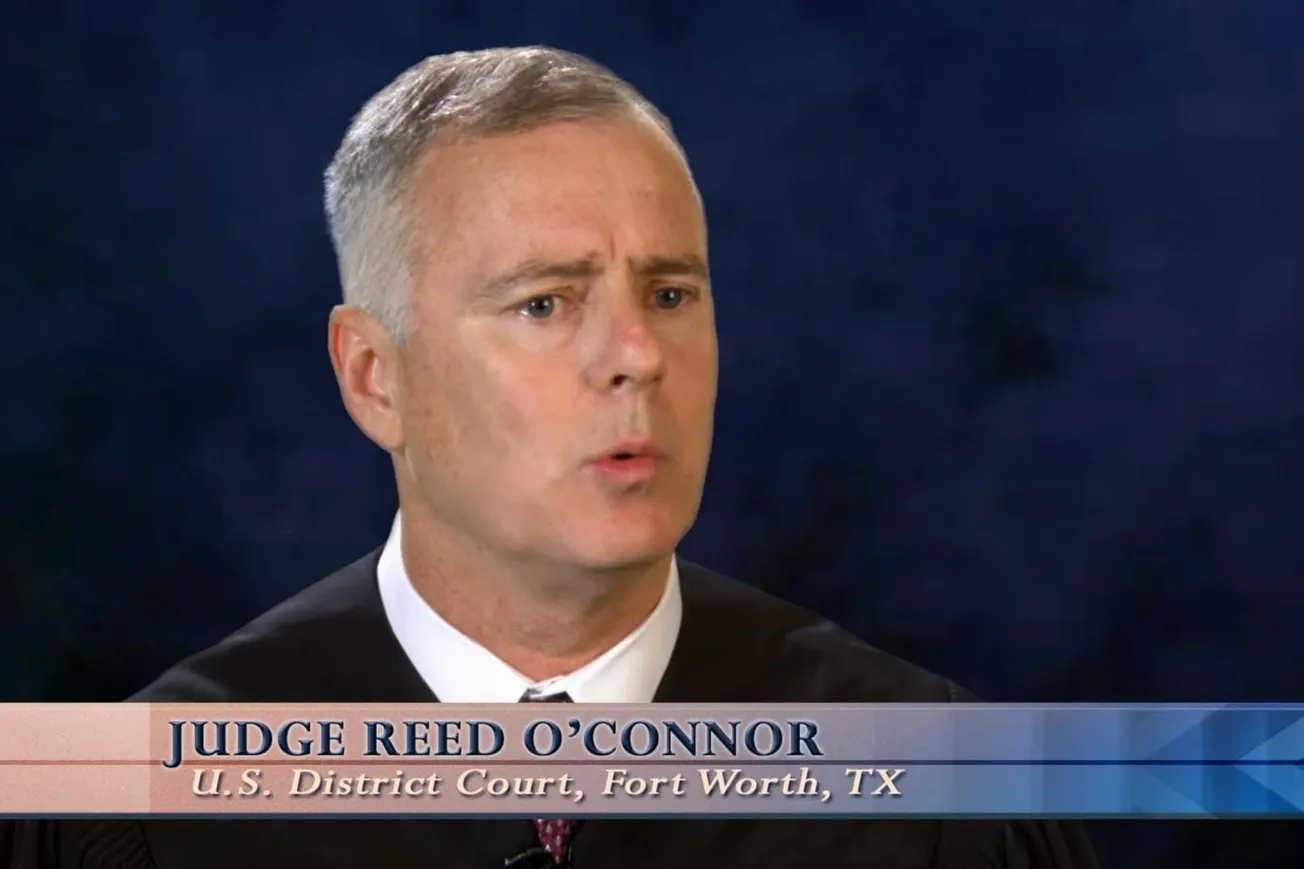
Reed O’Connor—a far-right federal judge in the Northern District of Texas—sided with Trump’s Department of Justice, ruling that Brown University Health’s Rhode Island Hospital must turn over patient records related to gender-affirming care. If you’re wondering whether it’s strange that a federal judge in Texas would force a hospital in Rhode Island to do anything, it is. To justify its choice of venue, the DOJ claimed its investigation is also “being carried out” in O’Connor’s district. Government lawyers provided no evidence to back up this claim, but O’Connor apparently didn’t mind. Up until this point, federal judges have generally ruled against the DOJ in these subpoena fights. But clearly, the Trump administration is willing to bend the rules until they get what they want.
Relatedly, the Department of Justice is hoping to revive the subpoena it sent to Children’s Hospital of Philadelphia, filing an opening brief with the Fourth Circuit Court of Appeals. A lower court judge had thrown the subpoena out.
Transgender Idahoans have filed a federal lawsuit against the state over its extreme bathroom ban, which makes it a crime punishable by jail time for people to use bathrooms that don’t align with their sex assigned at birth.
The Trump administration proposed rescinding an Obama-era rule that established protections for people in federally funded housing and shelters based on gender identity. The current rule means that federal housing programs can’t discriminate against people based on their gender identity. The proposal would remove references to “gender” and “gender identity” from Housing and Urban Development (HUD) regulations and replace them with “sex,” defined as sex assigned at birth, which could lead to shelters banning transgender people. The rule also permits single-sex facilities “to require reasonable assurances and evidence to confirm the sex of an individual.”
Extremism
During a House Judiciary hearing on a federal law protecting abortion clinics, a Texas Republican asked a witness to share her “favorite type” of abortion. Representative Brandon Gill was clearly looking for an opportunity to describe abortion methods in sensational, medically inaccurate terms, but the witness, a law professor, didn’t play his little game. Anyway, here’s a Texas-based OB/GYN explaining that her favorite method is procedural abortion with pain relief for the patient, ideally propofol.
Actual good news
Virginia has become the first Southern state to enact paid family and medical leave. Eligible workers will receive 80 percent of their pay for up to 12 weeks, and employers must give them their jobs back when they return.
Quick hits
- The White House is working on a cruel rule change to the Supplemental Security Income (SSI) program that would slash benefits or end support for as many as 400,000 disabled adults or low-income elderly people who live with their families.
- The Centers for Disease Control and Prevention recommending against a universal birth dose of the hepatitis B vaccine could cost millions and lead to more infections and deaths, per two studies published in JAMA Pediatrics.
- Trump’s decimation of foreign aid programs has reduced access to family planning services across the globe—but it’s difficult to track the exact impact, because it also halted so many data-gathering operations.
Palate cleanser
We’ll have what she’s having.
@gemmamercer0 when the premed hits too hard @Ashleigh **staff pet!** #vetmed #catsoftiktok ♬ BIG SIS Yay Yomes - BIG SIS
Follow Autonomy News on Instagram, Bluesky, TikTok, Threads, and LinkedIn.