Autonomy News is a reader-funded, independent publication. Our reporting isn't possible without your support. Please consider becoming a paid subscriber or making a gift from a donor-advised fund today.
Last August, a Texas woman filed a federal wrongful death lawsuit against a Marine Corps pilot, alleging that he slipped abortion pills into her hot chocolate in April 2025. The Marine countersued weeks later for at least $100 million in damages, claiming the woman lied about the coerced abortion and that there were political motives behind her lawsuit—namely supporting the passage of an anti-abortion state law.
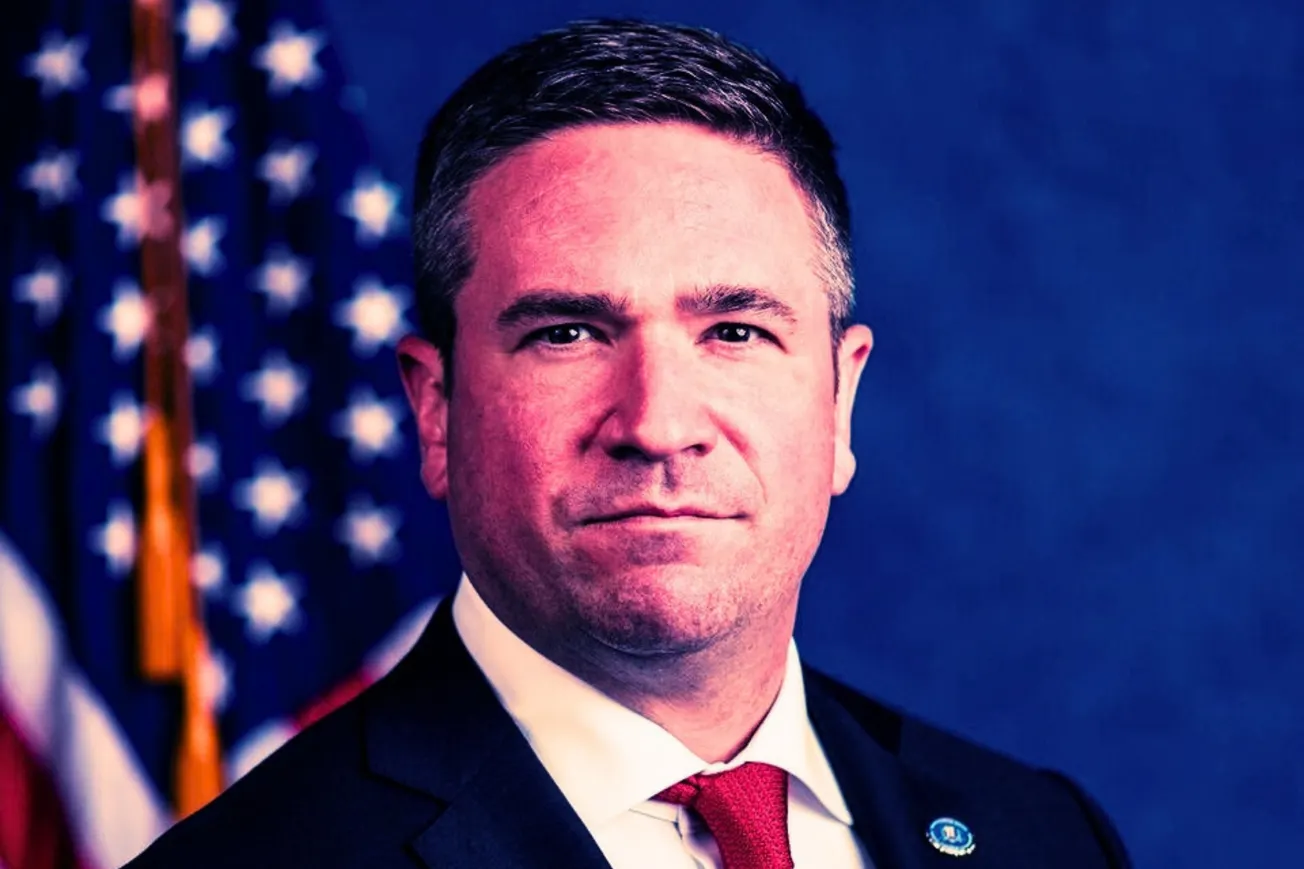
The case is currently in the discovery phase, where both sides produce evidence. Lawyers for the Marine, Christopher Cooprider, alleged in recent weeks that the woman, Liana Davis, has been withholding phone data from the court. District Judge David S. Morales granted an emergency motion on May 14 for Davis to turn over her phone, computer, and iCloud account, after Cooprider’s lawyers accused her of removing data from her devices ahead of a May 28 deposition. The day after the deposition, his lawyers told the judge that Davis had recorded audio the night of the alleged abortion on a second phone that she failed to produce for discovery.
Davis’ attorney Jonathan Mitchell admitted during a Tuesday hearing that his client didn’t inform him about the second phone. Morales, a Trump appointee, said the existence of those recordings “was a surprise to the court” and that the phone would need to be produced. He gave the parties until June 9 to agree on a forensic expert to examine it.
The emergency request from Cooprider came after a different expert said there was a vast amount of data missing from Davis’ phone—which could be relevant to the case. There were 54 GB of text messages in Davis’ iCloud account, the expert said, but not on her phone. Cooprider’s lawyers noted they are missing texts between Davis and her sister from two days before the alleged abortion pill dosing, including discussion of a possible miscarriage. They found screenshots of these texts, but not the actual messages. Davis said in the deposition that she does have the texts, “but they weren't…relevant, I don't believe,” so she didn’t provide them, according to a partial transcript. Davis also said that she may no longer have texts with her mother from the night in question.
Cooprider’s attorneys said their forensic expert found notes on her phone that they characterized as “confessions.” Mitchell said in a filing that it’s Notes app data, and the judge said Tuesday he believed the content of Davis’ Notes app would be discoverable, but wasn’t ruling on that yet. “I do believe at first blush it is relevant,” he said, before adding that he would keep their contents under seal for now.
Mitchell did not respond to Autonomy News’ request for comment ahead of publication.
Mitchell is the former Texas Solicitor General and the architect of the state’s “bounty hunter” abortion ban SB 8, which largely outlawed abortion in Texas nearly a year before the fall of Roe v. Wade. He has represented two allegedly abusive men suing over their partner’s abortions, including one previously convicted of assault. Davis is thought to be the first female plaintiff since Dobbs to sue for wrongful death over an alleged coerced abortion, but Coopriders’ countersuit challenges the right-wing narrative that many men are drugging their partners with abortion pills, which her complaint would seem to bolster.
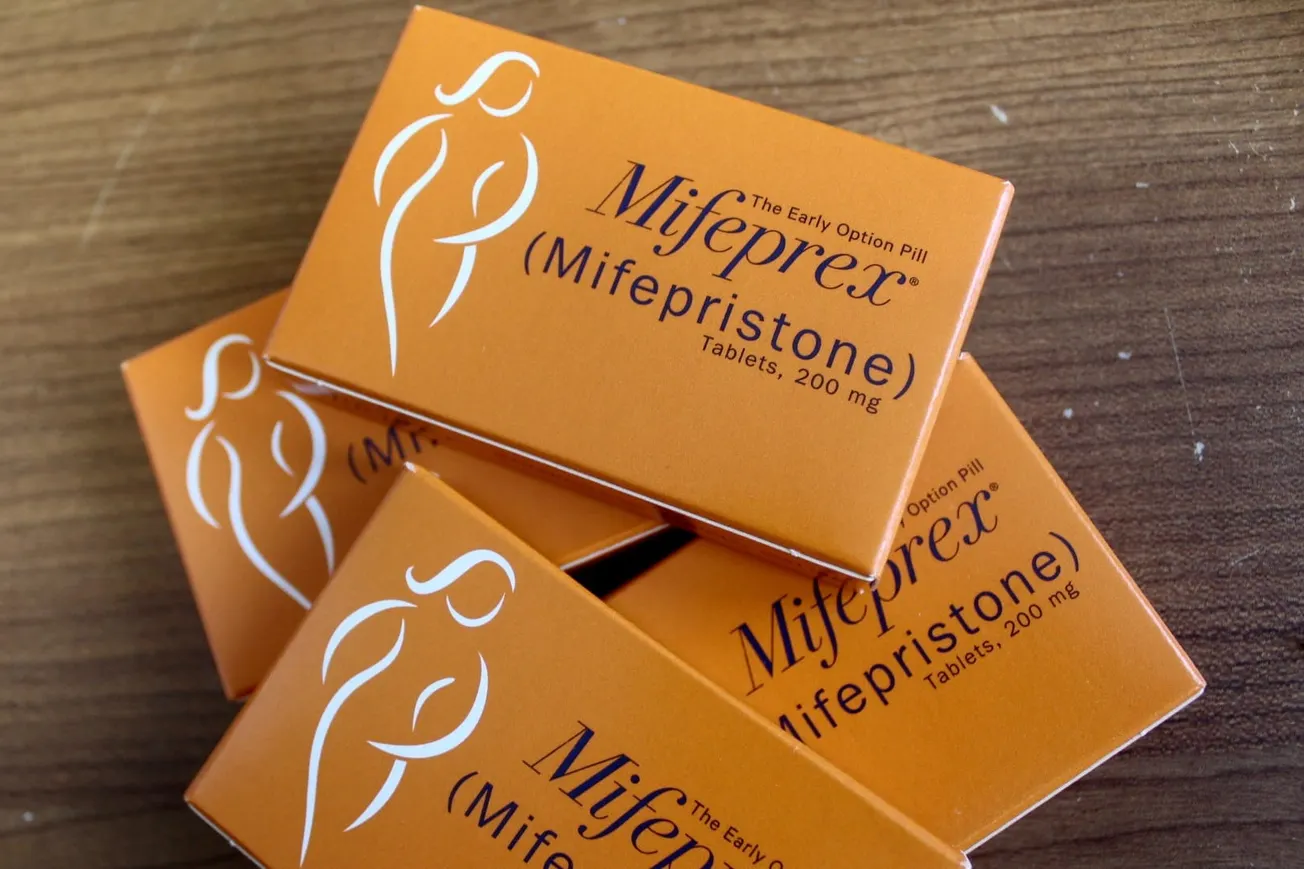
The anti-abortion movement is seizing on rare instances of forced abortions as a reason to ban telehealth prescriptions of mifepristone and misoprostol, the two drugs typically used in a medication abortion. But experts say that reproductive coercion more often occurs when a partner forces someone to get or remain pregnant.
Conservatives are laser-focused on ending telemedicine abortion—particularly the telehealth “shield” laws in eight states that protect clinicians who prescribe abortion pills across state lines. Nearly 15,000 medication abortions per month are provided under such laws. Another of Mitchell’s cases is a wrongful death suit against a California physician, which attempts to take down the state’s shield law.
Davis’ suit also names medication abortion service Aid Access and its founder, physician Rebecca Gomperts, alleging that Aid Access supplied the pills. In addition to alleging that Cooprider, Gomperts, and Aid Access violated wrongful death laws in Texas, the complaint accuses them of violating the Comstock Act, a dormant 1873 anti-vice law that Mitchell and other anti-abortion leaders argue outlaws the mailing of abortion pills. However, Mitchell cites the law by statute number—Sections 1461 and 1462 of Title 18 in United States Code—not by name.
Questionable allegations and anti-abortion connections
Cooprider says he had a brief sexual relationship with Davis, who was going through a divorce, and that she began harassing him when he expressed that he didn’t want the relationship to continue. Cooprider alleges Davis faked multiple pregnancies and miscarriages, and that once she actually became pregnant, she failed to treat medical conditions that could have triggered a miscarriage. Cooprider claims that Davis sued after the Corpus Christi Police Department declined to recommend charges based on her allegations against him.
Davis’ lawsuit alleges Cooprider put misoprostol pills in her hot chocolate in early April 2025, which caused her to bleed profusely. She said she got a neighbor to drive her to the hospital, where she told staff that Cooprider “drugged” her. Officers from the Corpus Christi Police Department came to the ER and opened an investigation. CCPD told the New York Times days after Davis filed her suit that it shared the results of its investigation with the Nueces County District Attorney’s Office, but “both agencies concluded that the elements of a crime could not be established, and the investigation was subsequently closed as unfounded.”
A key allegation in Cooprider’s countersuit is that Davis’ splashy wrongful death suit was politically motivated. Last year, Texas legislators passed HB 7, a law that allows people to file wrongful death lawsuits against anyone who provides a pregnant person with abortion medication and seek $100,000 in damages. Mitchell associate and anti-abortion activist Mark Lee Dickson lobbied legislators to pass the bill and repeatedly mentioned Davis’ lawsuit as an example of why the law was needed.
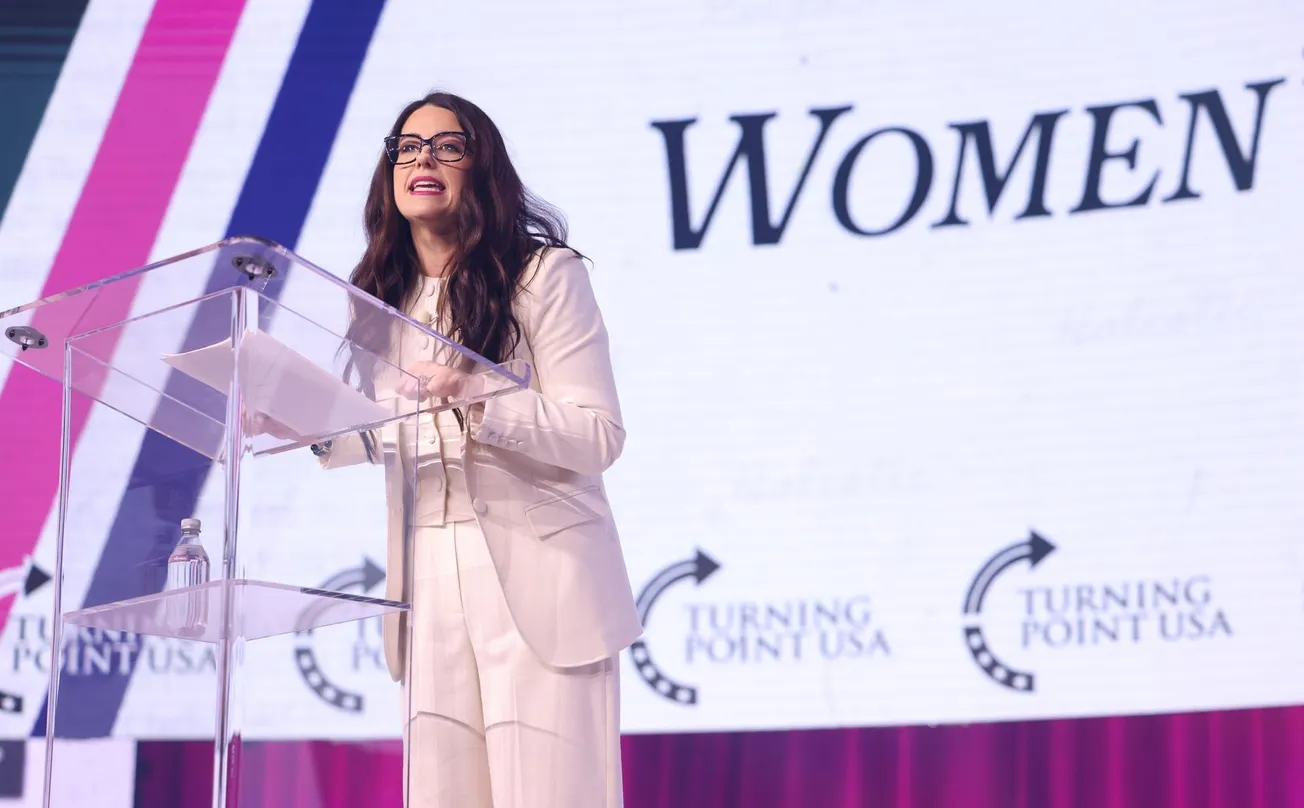
Dickson, who’s worked with Mitchell for years on an initiative to convince local governments to pass ordinances declaring themselves “Sanctuary Cities for the Unborn,” was the first to announce Davis’ lawsuit on social media. Dickson wrote that he’d heard about the incident in May 2025 from the director of an anti-abortion crisis pregnancy center (CPC) in Corpus Christi, Texas. Dickson added that he connected Davis to his attorney, meaning Mitchell.
Jana Pinson, the executive director of Pregnancy Center of the Coastal Bend—a CPC chain with locations in and around Corpus Christi—also mentioned Davis’ accusations last year in public testimony before the Texas legislature in support of HB 7.
Several filings in the case mention Davis’ friendship with Pinson. On April 9, 2025, Davis relayed to a friend a text message she said was from “the executive director of Pregnancy Center of the Coastal Bend,” per a court filing. Davis quoted that person as saying, “I have two people reaching out to the district attorney (DA) to put a fire under this case. The DA is calling the police chief. Attorney general [Ken Paxton] can't do anything unless the DA gives it to him. Just got a response from the DA: ‘On it.’” Davis added her thoughts, writing, “Although it goes against my personal convictions, this lady has been helping me make connections with powerful pro-life entities who can take Chris down.”
In an August 2025 Texas House hearing about HB 7 where both Dickson and Pinson testified, Democratic state Rep. Rafael Anchía asked why this bill was necessary when authorities were capable of prosecuting coercion under current law. At least two other Texas men accused of drugging their partners with abortion pills are facing criminal charges under statues that predate HB 7. Dickson replied that a bounty hunter civil provision was necessary to halt the distribution of abortion pills, and that he was targeting Aid Access specifically. “If this shuts down groups like Aid Access, then let’s use every tool at our disposal to save people like Ms. Davis in Corpus Christi,” he said. Dickson also referred to Cooprider as “Chris Coopridge” multiple times.
Pinson, who sat next to Dickson at the hearing, testified that Davis was a client at her CPC. “Here we are, we have a crime, she files it and the DA says ‘I don’t see a crime.’ So we do need help with abortion pills,” she said. Anchía asked Pinson why Attorney General Paxton wouldn’t prosecute the case. She responded that Davis met with Paxton the prior week about pressing charges, adding, “hopefully they will take it up and prosecute it.”
To date, Paxton’s office has not prosecuted Cooprider, which is notable given its seemingly low bar for other cases. Paxton is prosecuting a midwife for alleged illegal abortions based on flimsy evidence about possessing misoprostol, a drug with numerous uses in obstetrics. Paxton also found the time to sue a manufacturer of chest binders for deceptive advertising, and open an investigation into Lululemon over whether its clothing contains "forever chemicals" known as PFAS.
After Governor Greg Abbott signed HB 7 into law, Mitchell amended his ongoing lawsuit against the California doctor to allege that he violated HB 7—the very same law that Davis’ allegations helped to pass. The doctor’s lawyers argue it is unconstitutional and have moved to dismiss the case.
As Mikal Watts, one of Cooprider’s attorneys, told New York magazine in September, “They used this situation to pass a law that, if it’s based on this case, was passed based on a lie.”
This story was edited by Garnet Henderson and copy edited and fact checked by Nandita Raghuram.
Follow Autonomy News on Instagram, Bluesky, TikTok, Threads, and LinkedIn.