Autonomy News is a reader-funded, independent publication. Our reporting isn't possible without your support. Please consider becoming a paid subscriber or making a gift from a donor-advised fund today.
On Thursday, the Supreme Court belatedly blocked a ruling from the Fifth Circuit Court of Appeals that would have restricted telehealth prescriptions of the abortion and miscarriage management drug mifepristone nationwide.
The order came after the court initially failed to act by its own 5 p.m. deadline, which was set on Monday when Justice Samuel Alito extended a previous deadline. Mifepristone manufacturers Danco and GenBioPro had filed emergency appeals to the high court. These were handled by Alito, the justice assigned to all appeals from the Fifth Circuit. The lower court’s ruling is now paused at least until it reaches a decision in this case, filed by Louisiana, and any appeals of that decision return to the Supreme Court.
As is common with emergency orders, the vote count isn’t known, though Justices Alito and Clarence Thomas both wrote alarming dissents outlining why they would have let the restrictions take effect.
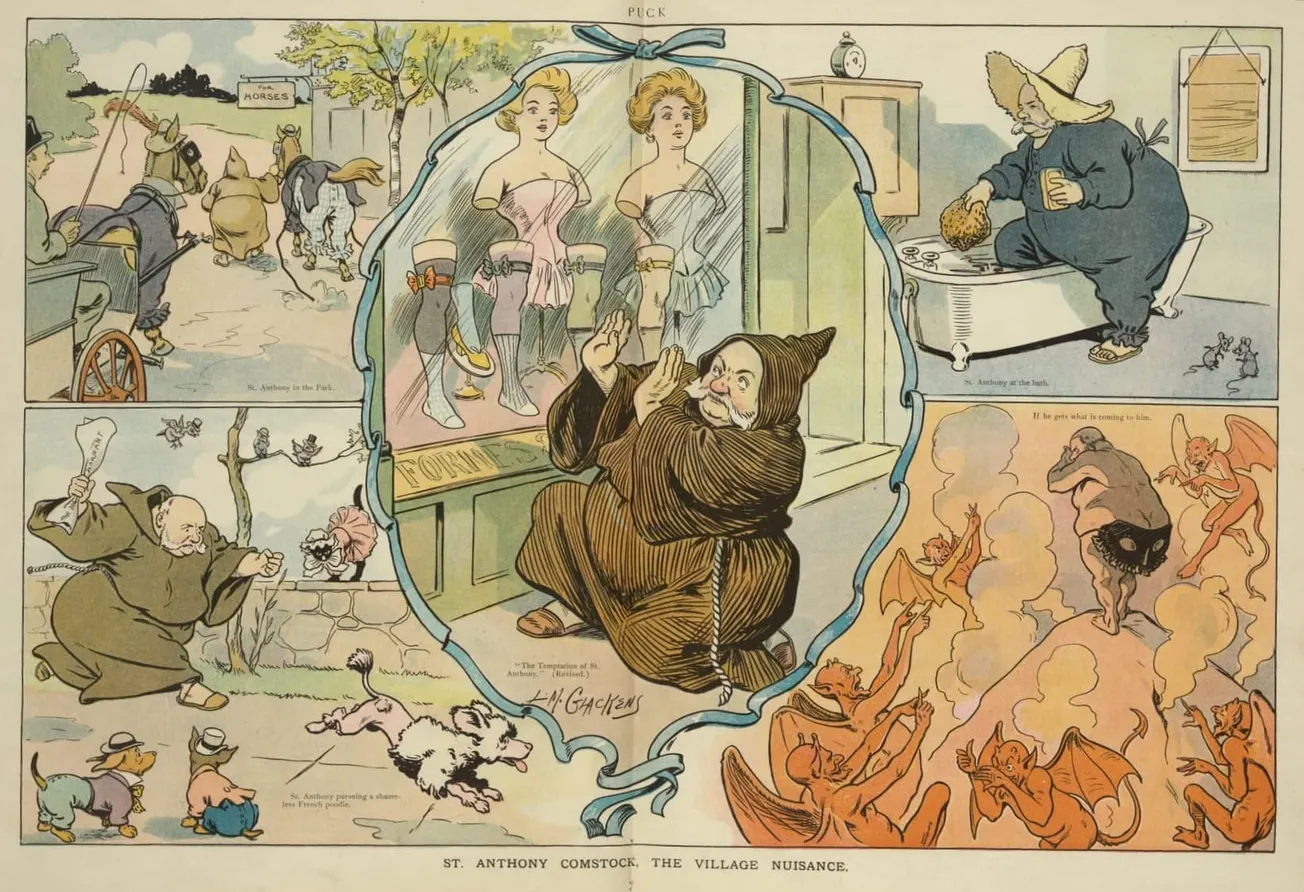
Thomas claimed that “it is a criminal offense to ship mifepristone for use in abortions” because of the Comstock Act, an 1873 anti-vice law that conservatives argue should be used to ban mailing abortion pills, if not to ban abortion entirely. Both Thomas and Alito have shown interest in this legal theory in the past: During oral arguments in Food and Drug Administration v. Alliance for Hippocratic Medicine—another mifepristone case that reached the Court in 2024—both justices asked questions about the Comstock Act. Thomas said Thursday that Danco and GenBioPro cannot be “irreparably harmed” by the lower court ruling because the companies are engaging in “criminal enterprise.” Nearly 115 Republican members of Congress filed a “friend of the court brief” on Louisiana’s side, arguing that mailing mifepristone violates the Comstock Act.
Thomas describes the mailing of mifepristone as a "criminal enterprise" and says providers should face federal felony charges rather than obtaining relief from SCOTUS. www.documentcloud.org/documents/28...
— Mark Joseph Stern (@mjsdc.bsky.social) May 14, 2026 at 5:30 PM
[image or embed]
In his separate dissent, Alito suggested that telehealth prescriptions of mifepristone are part of “a scheme to undermine our decision in Dobbs.” Alito wrote the majority opinion in that case, which overturned Roe v. Wade. He specifically mentioned the telemedicine “shield” laws in place in eight states, which protect abortion providers from out-of-state investigations and prosecutions. He argued that more abortions occur in Louisiana now than before Dobbs, and that none of this would be possible without FDA regulations adopted under the Biden administration that allowed telehealth prescriptions.
Alito also referenced “evidence” that the FDA has chosen to delay a politicized “review” of mifepristone’s safety “for at least six months,” or until after the midterm elections. This has been a major frustration of the anti-abortion movement in recent months, with Republican lawmakers—chief among them Missouri Senator Josh Hawley—and major anti-abortion organizations growing more and more critical of Marty Makary, Trump’s FDA head. Makary resigned on Tuesday.
Fifth Circuit fallout and case backstory
Ever since legal attacks on the FDA’s regulation of mifepristone began in 2023, abortion providers have prepared to switch to prescribing misoprostol-only abortions via telehealth. Misoprostol—which is used in combination with mifepristone in the FDA-approved regimen for medication abortion—is also safe and effective on its own, though it does take longer and can involve more side effects.
However, while the Fifth Circuit’s order was briefly in effect from the evening of May 1 until the morning of May 4, multiple sources told Autonomy News that abortion providers in some states were advised not to prescribe mifepristone in person, either. This concern arose because of the fact that, in certain restrictive states, clinicians could have been accused of prescribing “misbranded” drugs if they gave patients mifepristone even in person for abortion or miscarriage, because the actual label and drug information would have been out of step with the restrictions imposed by the Fifth Circuit.
Louisiana sued the FDA in October, arguing that allowing telehealth prescriptions made it harder for the state to enforce its abortion ban because residents could get pills from shield law providers in other states. Virtual access is common: In 2025, 27 percent of abortions were provided via telehealth, per the Society of Family Planning. Nearly 15,000 abortions are provided to people in ban states each month under shield laws.
Rather than suing shield law states, Louisiana sued the FDA, asking a federal judge to hold unlawful a 2023 agency decision that permitted mifepristone to be prescribed via telemedicine. However, Louisiana Attorney General Liz Murrill is simultaneously attempting to prosecute abortion providers in New York and California for allegedly prescribing mifepristone to residents via telemedicine. In its case against the FDA, Louisiana has legal help from Christian nationalist law firm Alliance Defending Freedom; Erin Hawley, wife of Missouri Senator Josh Hawley, is the top ADF lawyer listed in court documents. (ADF represented different plaintiffs who sued the FDA in the previous mifepristone case that reached the court in 2024.)
A Trump-appointed judge said in April that he was putting the case on hold at the request of the FDA so it could complete its unnecessary “safety review.” Health Secretary Robert F. Kennedy Jr. pledged to conduct the review at this time last year, in response to a letter from Josh Hawley. Hawley’s letter cited data from a dubious paper produced by the Ethics and Public Policy Center (EPPC), a far-right organization funded by Leonard Leo, an anti-abortion billionaire and architect of the Supreme Court’s conservative supermajority. Both ADF and EPPC were advisory board members of Project 2025, which called to end telemedicine prescriptions of mifepristone.
Louisiana appealed the judge’s decision to the Fifth Circuit, which ruled on May 1 that it was halting telemedicine of mifepristone nationwide. The two manufacturers appealed to the Supreme Court the following day.
The order—and the dissents—show that overturning Roe was never the end of the story. Alito claims that it is the “prerogative” of states to make “it even easier to obtain an abortion than it was before,” but his willingness to reimpose nationwide restrictions shows that’s a farce. His interpretation of “leaving abortion to the states” would hamstring protective enclaves. As an amicus brief from the Democratic Attorneys General of 22 states and Washington, D.C. explains, ending telehealth harms states’ ability to promote abortion access, especially given the strains on capacity at brick-and-mortar clinics as they care for out-of-state patients.
The Fifth Circuit Court of Appeals gets its decisions reversed more often than any other, which can help the Supreme Court appear “moderate” by comparison. But make no mistake, mifepristone access is still under threat, and this case will almost certainly be back at the Supreme Court.
Follow Autonomy News on Instagram, Bluesky, TikTok, Threads, and LinkedIn.