One of the more noteworthy results of the 2024 election was Missouri voters narrowly choosing to overturn their state’s total abortion ban via a constitutional amendment. While the passage of Amendment 3 still hasn’t restored meaningful access in the state, it’s given advocates a legal path to challenge restrictions—one that Republicans are desperate to end as soon as possible. New polling suggests they may have found a way to trick voters into banning abortion once again: by simultaneously targeting healthcare for transgender minors.
In Missouri, constitutional amendments can make it onto the ballot through a citizen-led process, or legislative referral. The 2024 abortion rights initiative was citizen-led, whereas the deceptively worded measure appearing on this year’s ballot, which would ban most abortions, was referred by Republican lawmakers. It’s called Amendment 3—yes, the same name as the 2024 amendment. And the bait and switch doesn’t end there: The ballot summary suggests to voters that, if they pass this year’s Amendment 3, they’re granting more exceptions for legal abortion, when they would actually be enshrining a near-total ban into the state constitution.
According to the summary, the measure would repeal the 2024 reproductive rights amendment and “allow” abortion for medical emergencies, fetal anomalies, and pregnancies under 12 weeks gestation that result from rape or incest. Translation: Abortion in any other circumstance would be swiftly outlawed. Crucially, the summary doesn't plainly inform voters that a "yes" vote would allow the legislature to ban abortion—and that’s even after a judge rewrote it in December following a lawsuit from a physician and the ACLU of Missouri.
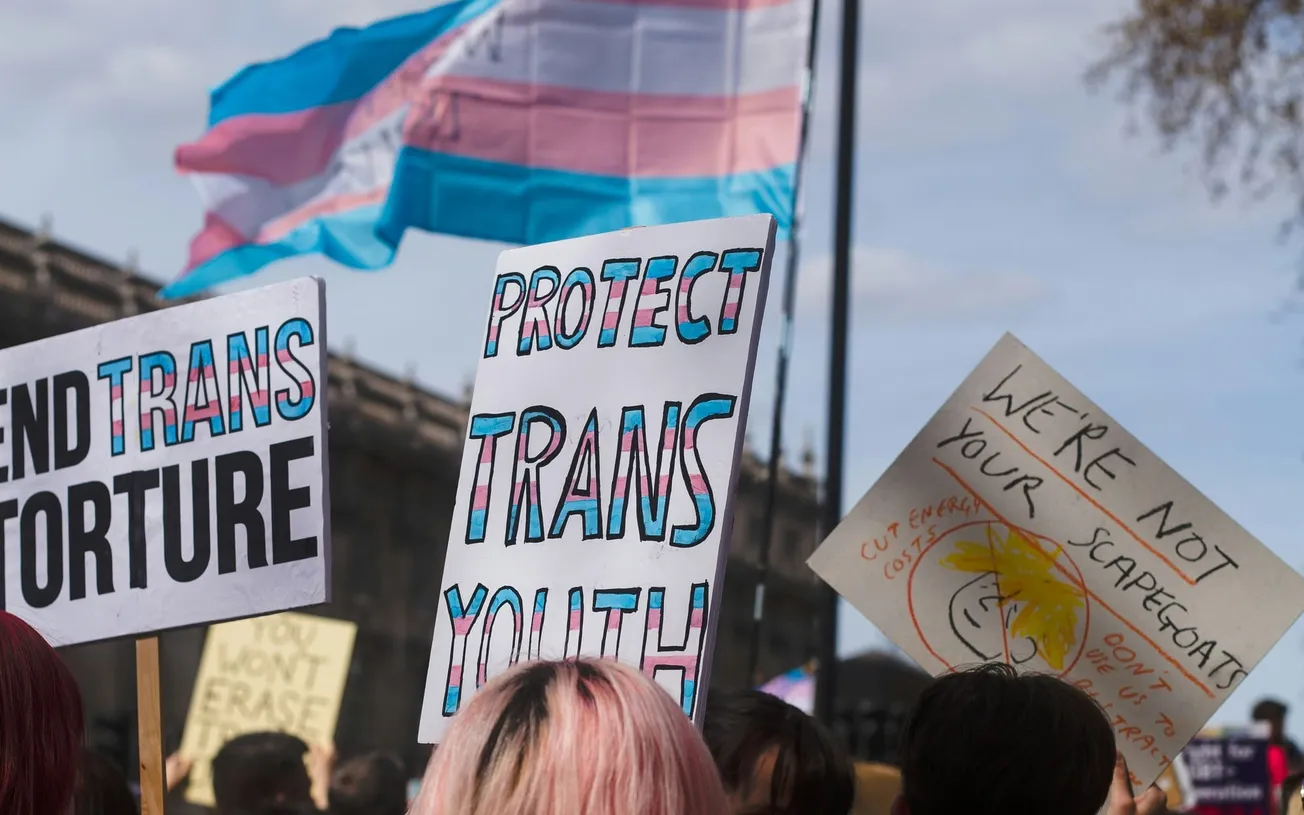
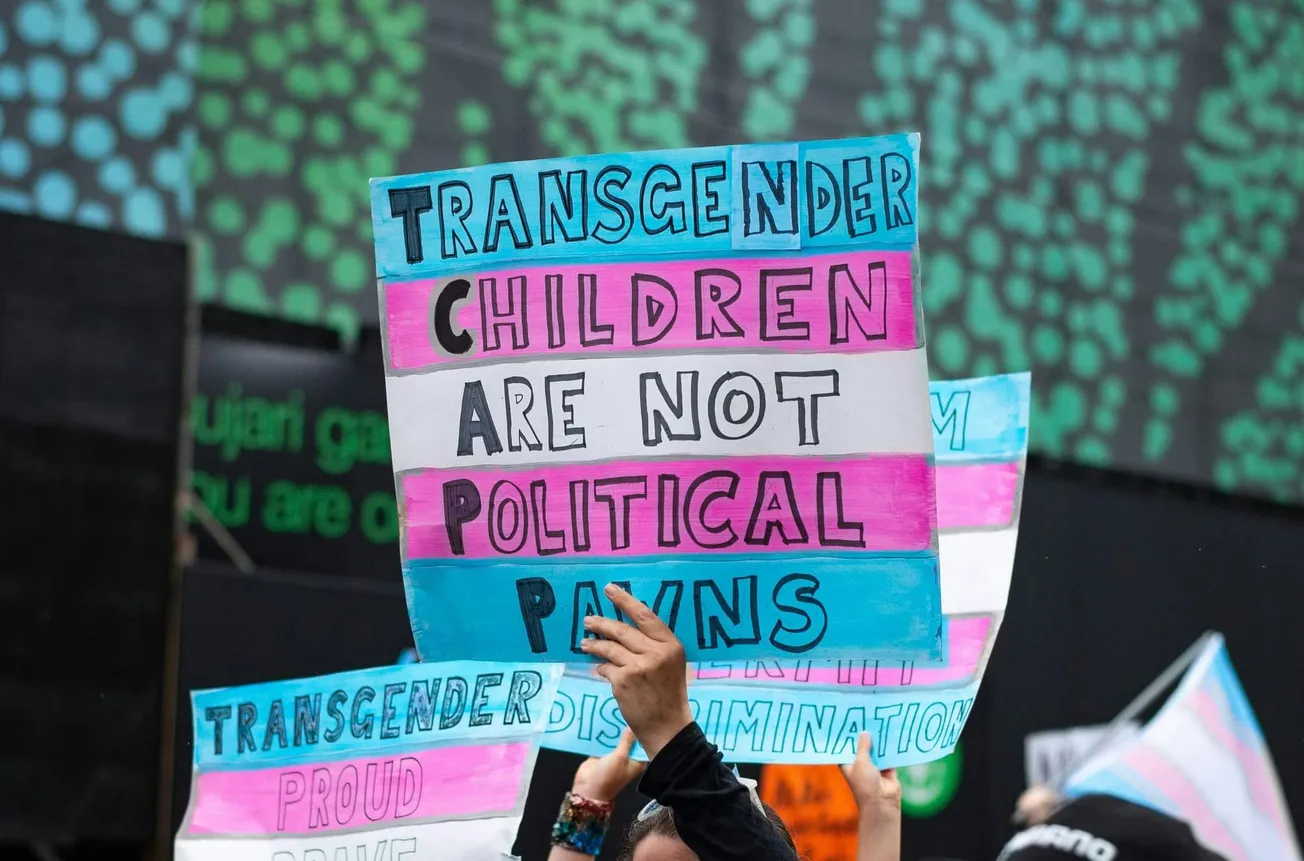
In an even more cynical move, the new Amendment 3 would also amend the state constitution to ban gender-affirming care for trans minors, including puberty blockers, hormone treatments, and surgeries. Importantly, state law already bans such care: Surgeries are permanently banned, while hormone therapy is prohibited through August 2027. Plus, there's an active bill to make the hormone ban permanent; it passed the House in February. It bears repeating that lawmakers are banning care recommended by medical providers and to which minors’ parents have consented, and that puberty blockers are still legal for cisgender kids. But a brazen disinformation campaign has falsely painted gender care for minors as harmful and dangerous, and it’s been alarmingly effective.
Abortion rights groups accused Republicans of tacking on this gender-affirming care ban to boost support. During an August court hearing, a lawyer for the ACLU of Missouri called the proposal "ballot candy" to win more votes. The lawsuit was an unsuccessful effort to get the whole proposal thrown out for violating a single-subject rule for ballot measures; a judge disagreed, saying the two issues are closely related. For example, he noted that the websites of some Planned Parenthood clinics in the state list both abortion and gender-affirming care among their services. However, the judge did rule that the abortion-related ballot language was misleading.
The summary now says that a “yes” vote would amend the state constitution to “allow” certain abortions and to “prohibit” gender affirming care—a positive frame for abortion that never uses the word “ban,” followed by a negative framing of transgender care.
It appears this insidious ploy could work: Polling released last week shows that Missouri voters support the amendment by a margin of 47 to 40 percent, with 12 percent unsure. What’s more, the St. Louis University/YouGov poll, the first on Amendment 3, suggests that support for the trans ban boosts approval for the measure overall. Despite respondents’ approval of the measure itself, its effects on abortion would be unpopular: 59 percent of those surveyed said they supported abortion access for any reason up to 8 weeks—that translates to only about 40 percent support for the kind of early abortion ban Amendment 3 would allow. But 67 percent and 73 percent of those polled supported bans on hormone therapy and surgeries for trans minors, respectively.
Abortion rights are straightforwardly popular, while transgender healthcare remains less so. The GOP appears eager to take advantage of that fact. Anti-abortion activists have tried to get people to vote against protective reproductive rights ballot measures by claiming they would legalize gender-affirming care without parental consent. Activists trotted this tactic out in Ohio in 2023, and Missouri and New York in 2024. Thankfully, it failed each time. But now conservatives are attempting the inverse: using opposition to this care to force through a ban on abortion.
Missouri Republicans know voters wouldn’t approve an abortion ban worded as such, so they’re asking them to ban something else that’s already illegal. Steven Rogers, an assistant professor of political science at St. Louis University and director of the SLU/YouGov poll, told the Missouri Independent that, based on the results, he expects proponents to emphasize the gender-affirming care ban. “I think the fight that we’re going to see in the airwaves and in the rhetoric from the people supporting the amendment is really going to be about gender-affirming care, even though, by statute, it’s not going to make an effective change,” Rogers said.
Abortion rights supporters must now get the word out that a “yes on 3” this fall would ban almost all abortions—even though "yes on 3" was the pro-choice position just two years ago. If conservatives succeed, it will be because they lied about what their measure will do, while trying to change the subject to something less popular.
Republicans are trying to divide voters based on far-right talking points about evidence-based medical care. It’s a tactic they used to pass abortion restrictions that resulted in the fall of Roe v. Wade, and they’re now hoping that voters’ apparent willingness to abandon trans children and their families will result in an abortion ban.
Beyond Missouri, supporters of reproductive rights and justice have an opportunity to take a page out of their opponents’ playbook and use poll-tested positions to achieve a broader agenda. Records obtained by one anti-abortion group suggest that Illinois Governor JB Pritzker’s office is considering a constitutional amendment that would explicitly protect both abortion and gender-affirming care. State lawmakers reportedly debated pursuing such an amendment in 2024, and it would be the right move now as a matter of both policy and politics.
Republicans will claim that abortion amendments cover gender-affirming care no matter what the measures actually say, so why not take a stand and protect those people, too?
This story was edited and fact-checked by Garnet Henderson.
Follow Autonomy News on Instagram, Bluesky, TikTok, and LinkedIn.