Autonomy News is a reader-funded, independent publication. Our reporting isn't possible without your support. Please consider becoming a paid subscriber or making a tax-deductible gift today.
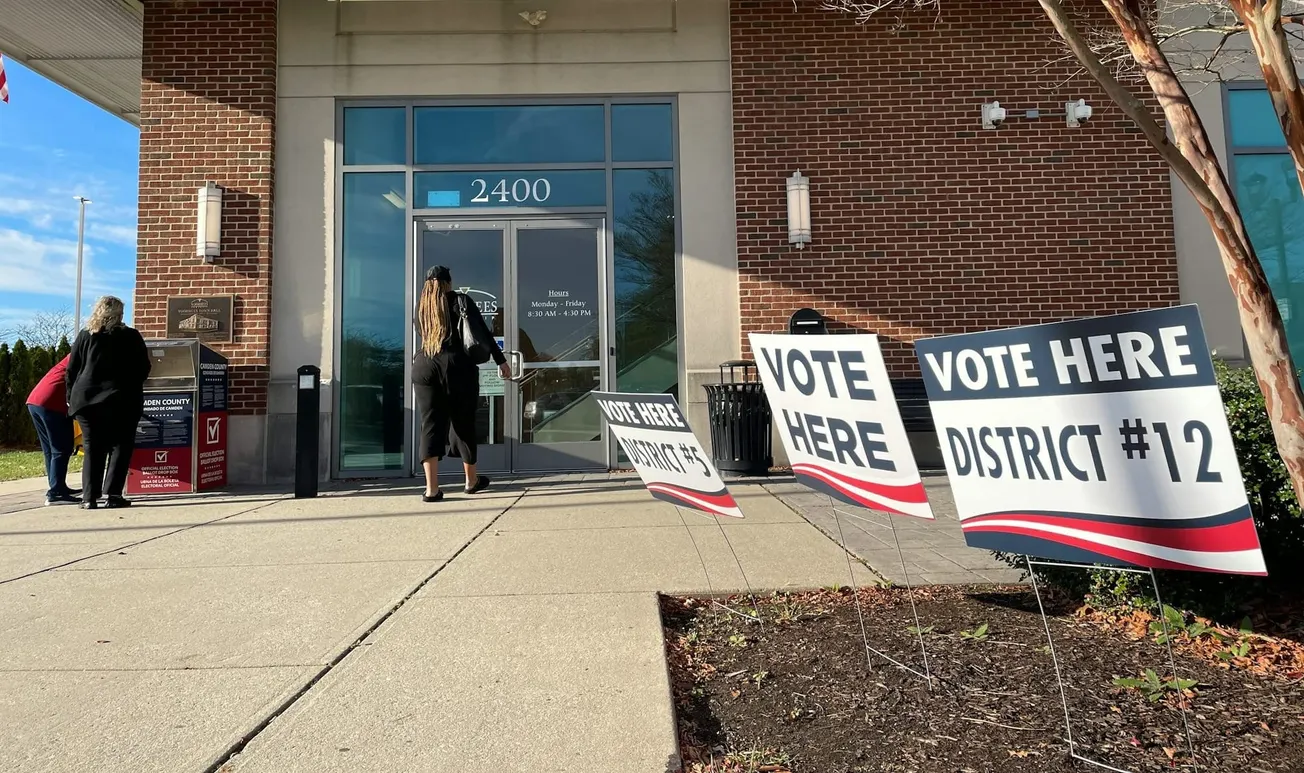
On Tuesday, Nevada voters passed a state constitutional amendment codifying the right to abortion until fetal viability by a margin of 63 percent to 37 percent. Question 6 is a citizen-initiated amendment that, under Nevada law, voters had to pass twice; they first approved it in 2024.
Yet despite the victory, Nevada will remain the only U.S. state that explicitly criminalizes self-managed abortion. This is thanks to a century-old law that the amendment did not repeal. A statute first enacted in 1911 bans taking “any drug, medicine, or substance” with the intent to end a pregnancy after 24 weeks’ gestation. People accused of violating the law can be charged with manslaughter, a felony punishable by one to 10 years in prison.
Prosecutors in other states can and do charge people who have abortions or experience pregnancy loss with other crimes, like abuse of a corpse or concealing a birth. But Nevada’s ban on self-managed abortion is particularly alarming, and the concern is not hypothetical: Patience Rousseau was prosecuted for manslaughter under the law following her 2018 stillbirth. She spent two years in prison before being released on appeal in 2021. While a fetal toxicology report was positive for marijuana and methamphetamine, Rousseau’s attorney argued that the prosecution couldn’t prove her drug use caused her to lose the pregnancy. Rousseau sued the county that prosecuted her, and she won a $1.6 million settlement earlier this year.
One Democratic state lawmaker did introduce a bill to repeal the 1911 law in 2025. But as I reported for the New Republic, multiple sources said reproductive rights groups decided not to lobby for the repeal bill because they feared it could impact the final passage of the constitutional amendment. According to one source, representatives for Nevadans for Reproductive Freedom said “we don’t want to touch the 24 weeks.” Question 6 allows the state to ban abortion care after viability, which is different for every pregnancy—in the context of abortion bans, lawmakers generally place it at 24 weeks.
Failure to repeal the ban endangers not just people who might self-manage their abortions, but anyone who loses their pregnancy after 24 weeks. As Garin Marschall, co-founder of later abortion advocacy group Patient Forward, told me last year, “it invites the state to investigate every stillbirth because it could potentially be a violation of the law.” Marschall runs the organization with his wife, Erika, who had to leave New York for an abortion at 32 weeks in 2016.
And when paired with the viability limit in Question 6, the 1911 law is especially dangerous. “If there’s no care available in the state after 24 weeks because of your ballot measure, what are people supposed to do? Some people can get out of the state, but some people can’t,” Marschall said. Rousseau had a car, but it was in such poor condition that she couldn’t rely on it to get to the grocery store, let alone to the nearest abortion clinic more than two hours away. “I really don’t think people donating to abortion rights organizations and campaigns want people going to jail for abortions and miscarriages and stillbirths,” he added. Additionally, Question 6 wouldn’t prevent people like Rousseau from being investigated or charged because it protects the right to an abortion only when “performed by a qualified healthcare professional.”
Nevada’s 2027 legislative session begins in February, when lawmakers might again introduce a repeal bill.
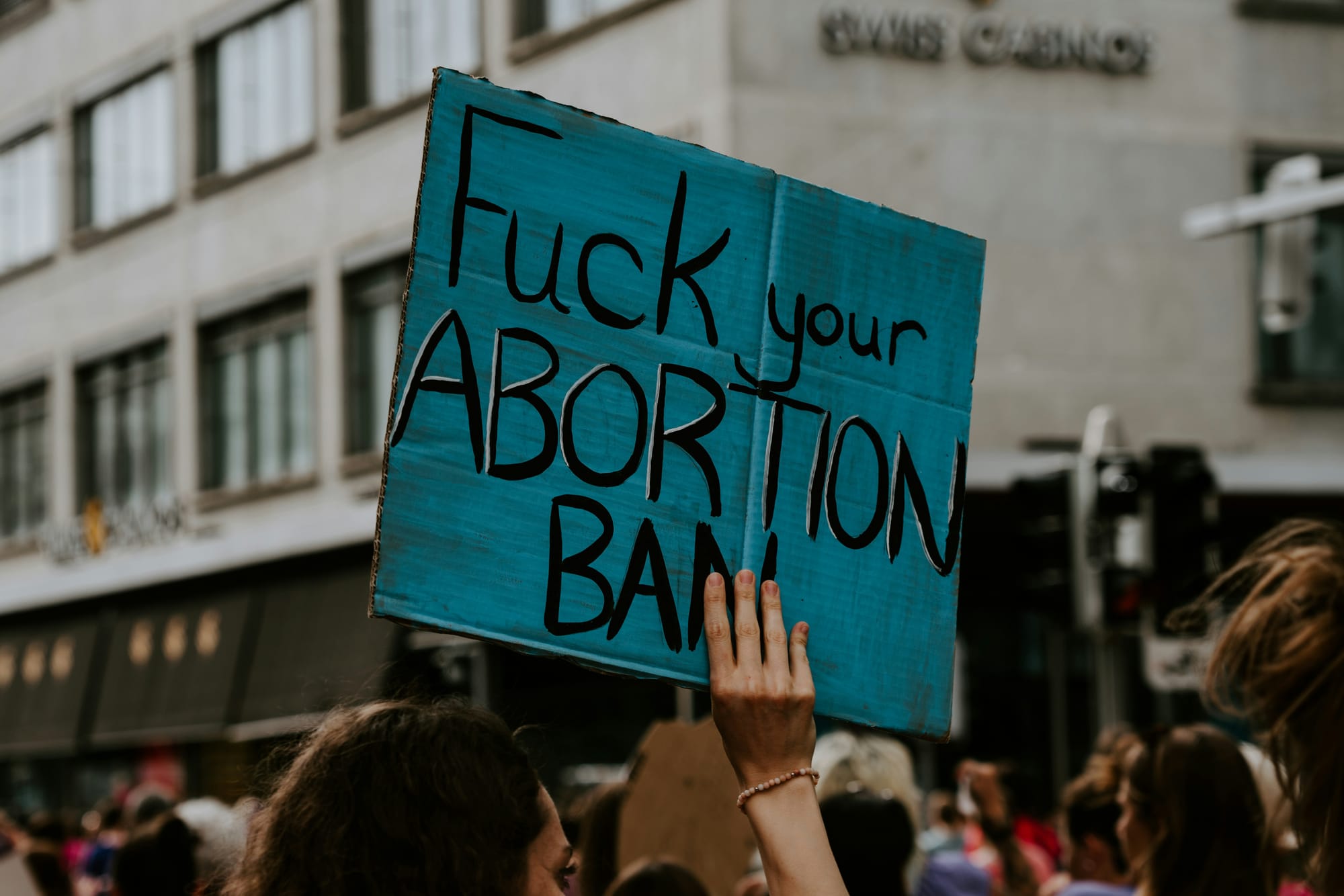
Abortion was directly on the ballot in four states on Tuesday. The pro-choice position won in two additional states, but failed in a third.
In Idaho, a citizen-led initiative failed to repeal the state’s abortion ban, which criminalizes nearly all abortions except to prevent the death of the pregnant person or in cases of rape and incest in the first trimester when a police report is filed. That measure would have only passed a new law, because Idaho doesn’t allow citizen-led constitutional amendments. Some members of the Republican-controlled legislature vowed to undo it if it passed. Unlike in other states, the Idahoans United for Women and Families campaign received almost zero support from national reproductive rights groups. We’ll have more reporting from on the ground in Idaho to come.
In Virginia—the only Southern state without an early abortion ban—voters passed a ballot measure that would establish constitutional protections for abortion access until the third trimester. However, an active legal challenge argues that the legislature failed to follow a procedural step in the initiative process. A court hearing is scheduled for next Friday, November 13, and the suit could invalidate the result.
Finally, Missouri rejected a constitutional amendment that would have reimposed an abortion ban and banned youth gender-affirming care. The vote came two years after Missourians overturned a previous abortion ban by codifying a right to reproductive freedom until fetal viability.
While these successes protect rights in state constitutions, any federal changes to abortion access would override them—like the possibility that the Food and Drug Administration could end telemedicine prescriptions for the abortion drug mifepristone. Trump’s nominee to lead the FDA, Heidi Overton, is an anti-abortion physician who called mifepristone “dangerous to women,” in 2023. The Senate health committee has yet to advance her nomination.
This story was edited and fact-checked by Garnet Henderson.
Follow Autonomy News on Instagram, Bluesky, TikTok, Threads, YouTube, and LinkedIn.