Autonomy News is a reader-funded, independent publication. Our reporting isn't possible without your support. Please consider becoming a paid subscriber or making a tax-deductible gift today.
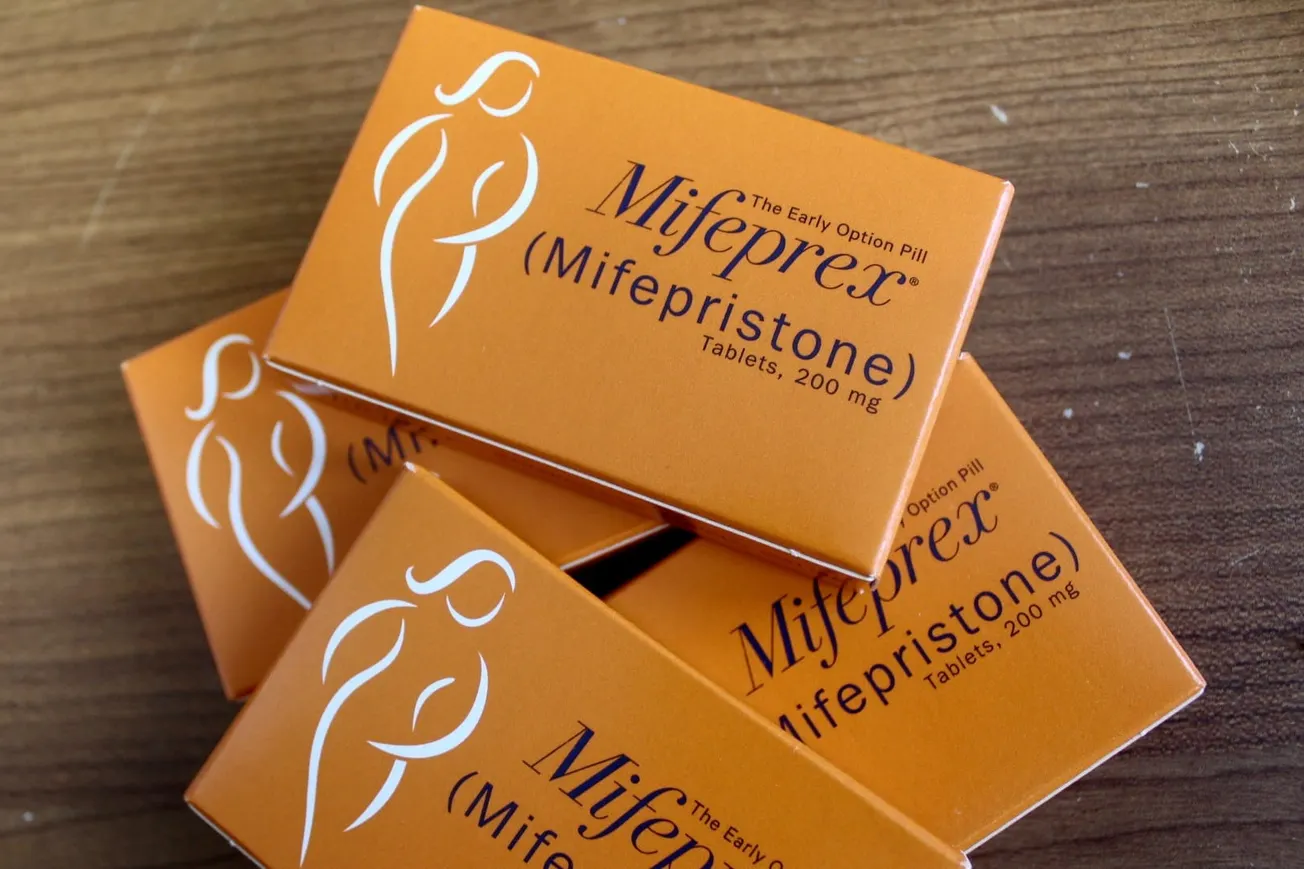
On Wednesday, Louisiana asked the Fifth Circuit Court of Appeals to limit access nationwide to the most common abortion method. The state sued the Food and Drug Administration (FDA) in October 2025 arguing that it was wrong to allow telehealth access to mifepristone, the first of two drugs used in a typical medication abortion regimen. The medications are also used for miscarriage care.
Louisiana claimed that the FDA’s decision to allow telehealth prescriptions of mifepristone—formalized in 2023—made medication abortions less safe, an assertion that conflicts with the findings of peer-reviewed research. The state also complained that the change made it harder to enforce its abortion ban, because residents can get pills from “shield” law providers in other states. The FDA update also allowed certified pharmacies to dispense mifepristone, another modification the state is asking courts to halt.
Normally, the Department of Justice (DOJ) defends agency actions in court, but a government lawyer representing the FDA repeatedly refused during the hearing to answer questions about how the agency makes decisions. He also refused to say that Louisiana’s claims that the FDA acted arbitrarily were without merit, saying only that the state wasn’t directly injured by the agency and didn’t have standing to bring the lawsuit. Questions about the FDA’s regulatory process and the science it reviewed to make decisions about mifepristone were instead answered by lawyers representing two manufacturers of the drug.
In the Supreme Court’s Dobbs decision that overturned Roe v Wade, the majority said abortion regulations were now left to the states. But Louisiana is effectively asking for the federal government to impose restrictions on all 50 states. The government’s nonresponses to questions about the FDA’s internal processes were chilling given that the agency is currently conducting a baseless “review” of mifepristone’s safety, which could upend abortion pill access regardless of the outcome of this case—though likely not until after the midterm elections.
The case was heard by a panel of three judges: Priscilla Richman, a George W. Bush appointee, Stephen Higginson, an Obama appointee, and Dana Douglas, a Biden appointee. The judges could rule at any time, but under a previous order, any changes to access are paused until the Supreme Court has the final say in the case. Out of all the judges on the Fifth Circuit—arguably the most conservative appeals court in the nation—a rare panel with two Democratic appointees is perhaps most likely to be favorable to the FDA and drug manufacturers. If Louisiana gets an unfavorable decision, it could ask for a rehearing by all of the judges on the Fifth Circuit, or appeal directly to the Supreme Court.
‘The answer is shield laws’
Shield laws protect abortion providers by prohibiting law enforcement agencies from complying with out-of-state criminal investigations into those who prescribe abortion pills across state lines, or the pharmacies that mail them. According to the latest data from the Society of Family Planning, by the end of 2025, nearly 15,000 abortions per month were provided under shield laws. To stop this flow of legally prescribed pills into their states, anti-abortion officials would need to halt telemedicine nationwide—even in states where access to abortion is enshrined in the constitution.
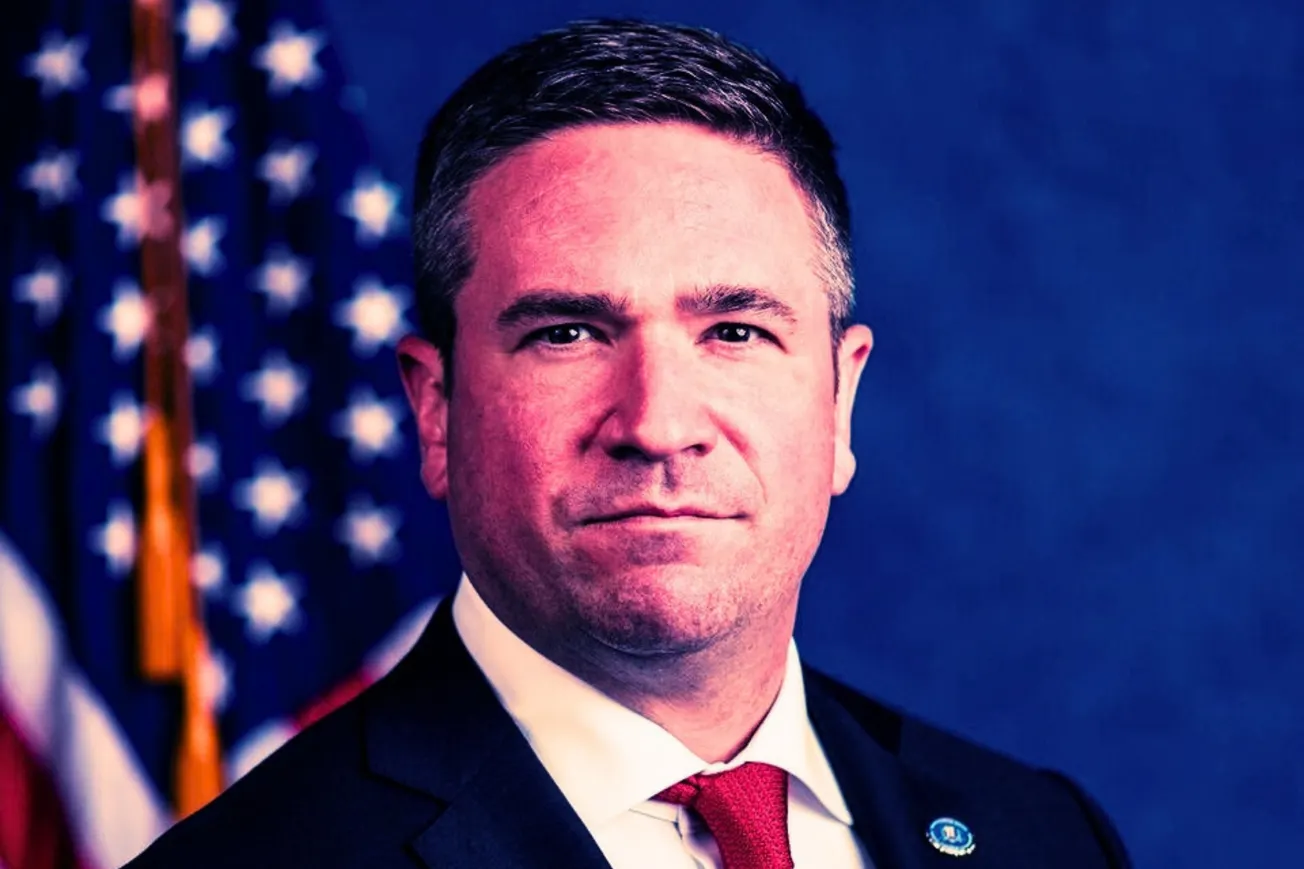
During oral arguments, Louisiana Solicitor General Ben Aguiñaga repeatedly claimed that people in his state have abortions “1,000 times every month” thanks to shield laws, undermining the total abortion ban that took effect in 2022. Judge Higginson noted that the FDA itself is not mailing the pills, while Judge Douglas pointed out that the FDA first allowed telehealth prescriptions in April 2021—more than a year before Louisiana banned abortion.
Higginson said it sounded like Louisiana is “really just asking the federal government to help you impose your criminal laws.” The DOJ lawyer, Daniel Winik, agreed that the state sued the wrong defendant: “The answer isn't the [FDA] modification, the answer is the shield laws enacted by other states. So there's a causation problem.”
Another wrinkle in this case is that federal judges in Hawaii and Virginia have found that the FDA acted arbitrarily in maintaining restrictions on mifepristone. Before 2021, mifepristone had never been available in commercial pharmacies. Even though the agency removed a longstanding requirement that medical providers give the drug to patients in person, it continues to require providers and pharmacies to be certified to dispense mifepristone. Experts say there’s no justification for these continued limits—in fact, leading researchers believe mifepristone should be available over the counter.
Higginson said the opposing rulings in Hawaii and Virginia underscored the weight of what Louisiana was asking it to do. “It's such a substantial request to come to us, three appellate judges in the Fifth [Circuit], and say, for the country, sweeping aside those two district courts’ conclusions that said—looking at the exact same record—it’s arbitrary and capricious that there are any restrictions.”
The district court judge in the Louisiana case, David Joseph, has not yet held a trial. In December 2025, Louisiana asked Joseph for an emergency injunction to immediately block telemedicine prescriptions of mifepristone after news reports revealed that former FDA Commissioner Marty Makary was slow-walking the agency’s “review” until after the midterm elections. Joseph instead paused the case at the request of the FDA in early April until the completion of its review. He ordered the agency to provide an update in six months, or early October. The state appealed his decision to the Fifth Circuit and a different panel of judges granted their request in May without ever holding a hearing.
Mifepristone manufacturers Danco and GenBioPro appealed that ruling to the Supreme Court, which blocked the Fifth Circuit order two weeks later, preserving the status quo. (The order was in effect for about three days before the Supreme Court halted it.) The justices paused any changes to mifepristone access until the case is decided on the merits, up to and including appeals to the Supreme Court. Confusingly, Louisiana is still asking the Fifth Circuit for an emergency injunction that blocks mailing while the case continues, even though this injunction would not take effect because of the previous Supreme Court ruling.
Waiting on the FDA
Mifepristone has been accessible by telehealth for about five years. In addition to helping circumvent abortion bans, this change has significantly improved access in states where abortion remains legal. Plus, the fact that more people in abortion “haven” states can get the care they need from home has freed up vital space at brick-and-mortar clinics. A reversal of mifepristone’s telehealth availability could force more people to travel to a shrinking number of clinics to get medications they will take at home.
Misoprostol, the drug used in combination with mifepristone in the FDA-approved regimen for medication abortion, is also safe and effective on its own. Abortion providers are ready to prescribe misoprostol-only abortions via telehealth in the event that mifepristone becomes more restricted. However, this is technically an “off-label” use of the drug, and the Trump administration has recently attacked gender-affirming care providers’ off-label uses of certain medications, an avenue they could also use to prevent misoprostol-only abortions.
In a March court filing asking Joseph to pause the case, government lawyers laid out a number of avenues the FDA could take to restrict mifepristone depending on the results of its “review.” These include having Health Secretary Robert F. Kennedy Jr. suspend approval of the drug, or force changes to its label or the conditions of a special safety program under which it’s regulated.
Liked this story?
Newly confirmed Attorney General Todd Blanche hasn’t been shy about the fact that abortion pill restrictions are coming. During a private call in July, he said Democratic-led states “can't, you know, do things like they're doing with mailing and mail-order drugs,” according to now-deleted audio that was uploaded to YouTube. “We don't have complete victory yet, but we will have victory, and victory will be soon, and it will be permanent.”
University of Michigan law professor Samuel Bagenstos told Autonomy News last month, “everybody has to assume that, as soon as the midterm elections are over, the Trump administration is going to take some serious steps to restrict access to medication abortion.”
Any changes to FDA regulation of mifepristone would defy scientific evidence, therefore kicking off fresh legal challenges against the administration. News coverage of these restrictions, even if blocked by courts, would likely cause confusion for patients seeking care. That might be half the point.
Back to the Supreme Court
One thing’s for sure: Mifepristone access is on a collision course with the Supreme Court. Part of Louisiana’s argument is that the Comstock Act, a dormant 19th-century anti-obscenity law, prohibits shipping mifepristone, making the FDA’s telemedicine change unlawful. While this law did not come up in Wednesday's hearing, we know at least two Supreme Court justices are amenable to that argument.
In May, Justices Clarence Thomas and Samuel Alito wrote alarming dissents outlining why they would have allowed the earlier Fifth Circuit order ending telemedicine prescriptions of mifepristone nationwide to stand. Thomas said he agreed that Comstock bans the shipment of mifepristone, and even accused manufacturers of engaging in “criminal enterprise.” About two years earlier, when the Supreme Court considered another case challenging the FDA’s regulation of mifepristone, Thomas and Alito both asked questions suggesting they believe Comstock bans telemedicine abortion.
If the courts interpret Comstock as an abortion ban, it would prohibit shipping any medications used for abortion, undermining abortion providers’ plan to provide misoprostol-only abortions as an alternative if mifepristone becomes less available. In fact, it could ban the shipment of any medical equipment used in abortion care, which would cut off access even to procedural abortions, as University of California, Davis School of Law professor Mary Ziegler told Autonomy News last month. This broad interpretation of the law has gone from fringe to mainstream within the anti-abortion movement, and is now endorsed by the country’s largest anti-abortion political advocacy group.
Restricting abortion pills was a key goal of Project 2025, and this legal attack on mifepristone has ties to conservative groups that worked on that extremist playbook. Louisiana has gotten legal help from the Christian nationalist law firm Alliance Defending Freedom. ADF was on the advisory board of Project 2025 and represented different plaintiffs who sued the FDA in a previous mifepristone case that reached the court in 2024, but was rejected on standing grounds.
Louisiana’s complaint cites a junk science paper from the Ethics and Public Policy Center (EPPC), which claims that mifepristone is far less safe than the FDA label states. EPPC also served on the Project 2025 advisory board, and is funded by the ultraconservative billionaire Leonard Leo, whose money and judicial advocacy stacked the Supreme Court against abortion rights. Senator Josh Hawley repeatedly highlighted the study in his pressure campaign to get the FDA to reinstate restrictions on mifepristone, or even revoke its approval for abortion. Hawley’s wife Erin is one of the ADF attorneys representing Louisiana in this case.
Alito wrote in May that telehealth prescriptions of mifepristone are part of “a scheme to undermine our decision in Dobbs.” It appears that attacks on mifepristone are part of a far-right scheme to ban abortion nationwide without passing a single new law.
Follow Autonomy News on Instagram, Bluesky, TikTok, Threads, and LinkedIn.