Autonomy News is a reader-funded, independent publication. Our reporting isn't possible without your support. Become a paid subscriber or make a tax-deductible gift today.
The following is an excerpt from Side Effects: How Abortion Bans Impact Everyone's Health, by Alice Miranda Ollstein.
Dr. Nancy Klimas spent decades searching for a cure for Gulf War Illness, a mysterious and debilitating condition afflicting hundreds of thousands of military veterans exposed to toxic chemicals during Operation Desert Storm.
Her quest began soon after she started working at a Veterans Affairs hospital in the late 1980s, drawn there by federal rules mandating equal pay for men and women, which tripled the meager salary she had been making at a university. A few years into the job, the immunologist started seeing patient after patient returning from the battlefield with a mix of difficult-to-treat and seemingly unrelated symptoms, including skin rashes, muscle pain, and brain fog. There were no drugs approved to treat Gulf War Illness, let alone cure it, and it broke Klimas’s heart to watch so many men and women in their prime waste away, unable to build careers or families, their physical ailments exacerbating the mental trauma they carried from their time in combat.
She longed to understand how the chemical exposures had “knocked their whole system off kilter,” leaving young veterans who were in peak physical condition “sidelined” with a “chronic, miserable illness.” Even more, she wanted to know how to reverse the damage. Klimas, who later became the director of the Institute for Neuro-Immune Medicine at Nova Southeastern University just outside Fort Lauderdale, Florida, toiled away in the lab for years, testing one drug, then another, then several in combination, racing to find something to help the aging veterans. Finally, after many dead ends, her team saw a miraculous response in mice in around 2016. Not only did a high dose of the drug mifepristone effectively reset the critters’ adrenal glands, which regulate cortisol levels and stress responses, the benefits appeared to last in definitely.
“It worked perfectly,” she said, recalling the excitement of those first results. “We were thrilled that we might be on to something.”
She wanted to start testing the drug on humans as soon as possible, hopeful it would help suffering veterans revive their damaged nervous systems. She even had funding lined up from the Defense Department, which had already agreed to back the trial if her mouse study proved successful. The only problem? Mifepristone is, primarily, an abortion drug.
Before the fall of Roe v. Wade, that would have been an asset rather than a liability, as it’s faster, cheaper, and easier to get the government’s blessing to repurpose an already FDA-approved medication than it is to develop an entirely new one. But in a post-Dobbs America, her mifepristone research became “a regulatory nightmare.”
Klimas tried to launch a Phase 1 clinical trial in 2022—a project she nicknamed the Reboot Study. She was anxious to get started after years of delays caused by the COVID-19 pandemic. But soon after she began recruiting veterans with Gulf War Illness and searching for an adequate supply of mifepristone pills, the Supreme Court overturned Roe v. Wade, and Florida’s 15-week abortion ban snapped into effect. Even though her study focused only on men—eliminating the risk that the drug could cause an abortion—every pharmacy in her area refused to dispense the medication. She ultimately had to move the trial from a clinic affiliated with her university to the Miami Department of Veterans Affairs, a shift that delayed the study’s start by another two years. She also had to stockpile enough pills ahead of time for the entire study, just in case additional antiabortion laws cutting off access took effect midway through.
“Every time I think I’m almost there, I find a new barrier,” she said.
Finally, she started giving her older male subjects tablets of mifepristone in combination with another drug and testing their responses to a safe stressor: riding on a stationary bike. The first time around, the men saw “a big bump of improvement,” but the effects didn’t last. So Klimas crunched the data, adjusted the dosage, and saw the lives of her patients turn around in ways she, and they, had not thought possible.
The men’s pain evaporated. Their cognitive abilities returned. They regained enough energy to take part in beloved hobbies, like fishing, that they had long given up. They repaired familial and romantic relationships that had been strained by their illness. One patient even gave her one of his military medals for alleviating his suffering, a gesture that moved her to tears.
Yet despite results that surpassed her wildest dreams, the future of Klimas’s work remained murky as she wrapped up the study in 2025. As difficult as it was to conduct a Phase 1 trial with just a few dozen patients enrolled at one VA clinic, the nation’s patchwork of abortion laws would make it far harder to set up Phase 2 and 3 trials, which can require thousands of participants across multiple states. Without those trials, no suffering veteran would be able to get a prescription for the drug, much less have it covered by health insurance. But securing federal funding for the next steps would be tough, Klimas feared, because one of the main criteria agencies look at when deciding which studies to sponsor is feasibility.
“If they raise the issue that the drug could disappear in the middle of the study, that’d be a hell of a big red flag and could mean I don’t get it funded,” she said.
That left Klimas with two unreliable options. She could try to get around state bans on the medication by conducting the research solely at VA hospitals around the country. But that path became more fraught after the Trump administration rolled back abortion access for veterans nationwide in December 2025, barring the VA from terminating pregnancies even in cases of rape, incest, or threats to the mother’s health. And the VA option could fall apart entirely if Trump imposed federal restrictions on mifepristone or banned its sale altogether—an outcome conservative activists were working to bring about through legislation, litigation, and pressure campaigns targeting the FDA.
Alternatively, Klimas could attempt to study the drug in another country. But not only would that involve further delays and logistical challenges, the U.S. government could refuse to fund such research, arguing that U.S. patients wouldn’t benefit from its findings due to restrictions on mifepristone back home.
“My big concern is we go through all this trouble to prove it works and then it just disappears because the government decides it should go away,” she said. “And if the federal government leaves it alone but the states do what they are already doing and restrict the bejesus out of it, that could also be a problem.”
Her dream of testing mifepristone’s impact on female Gulf War veterans also appeared out of reach, which pained Klimas since she knew those women were in even greater need of relief than their male colleagues due to the prevalence of rape in the armed forces and the trauma those assaults left behind that compounded their illnesses.
Men’s and women’s bodies respond differently to many drugs, and she had hoped the overwhelmingly positive data from male patients would convince sponsoring institutions to get over their anxiety around funding a study that gives abortion pills to women, especially since the women were too sick and too old to become pregnant. But as state and federal officials erected more legal and regulatory barriers to mifepristone, Klimas questioned if it was worth pursuing, even with such promising early results. Why pour years of effort into something that could disappear, she asked herself. Wouldn’t it be safer to pivot to studying other drugs that would remain reliably available and didn’t carry the same political baggage?
Abortion restrictions also put in limbo Klimas’s plans to expand her mifepristone research to help far more people whose bodies’ stress responses were scrambled by illness. If hundreds of thousands of Gulf War veterans could benefit, she thought, what about millions of Americans suffering from long COVID and chronic fatigue syndrome? Klimas managed in 2025 to conduct a small pilot study of mifepristone combined with other drugs for patients with chronic fatigue syndrome—using private funding and excluding women of reproductive age—and she began pursuing a Phase 2 study for Gulf War Illness in 2026. But with federal and state laws governing mifepristone access constantly shifting, embarking on the kind of years-long, resource-intensive research required to find new cures still felt dicey.
“I want to keep going down this path, but everything feels so vulnerable,” she said. “Science should just be science. There shouldn’t be any political play in this.”
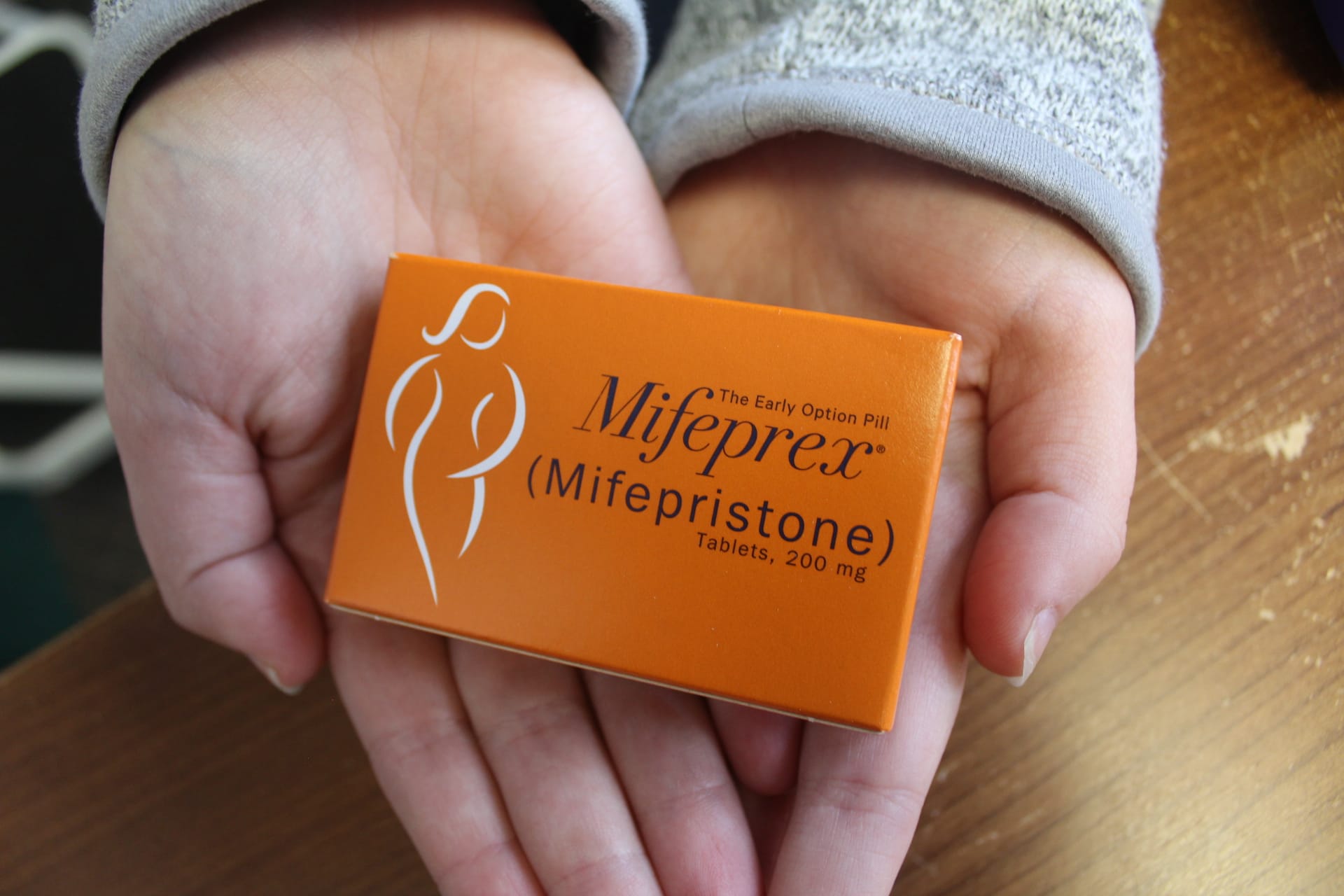
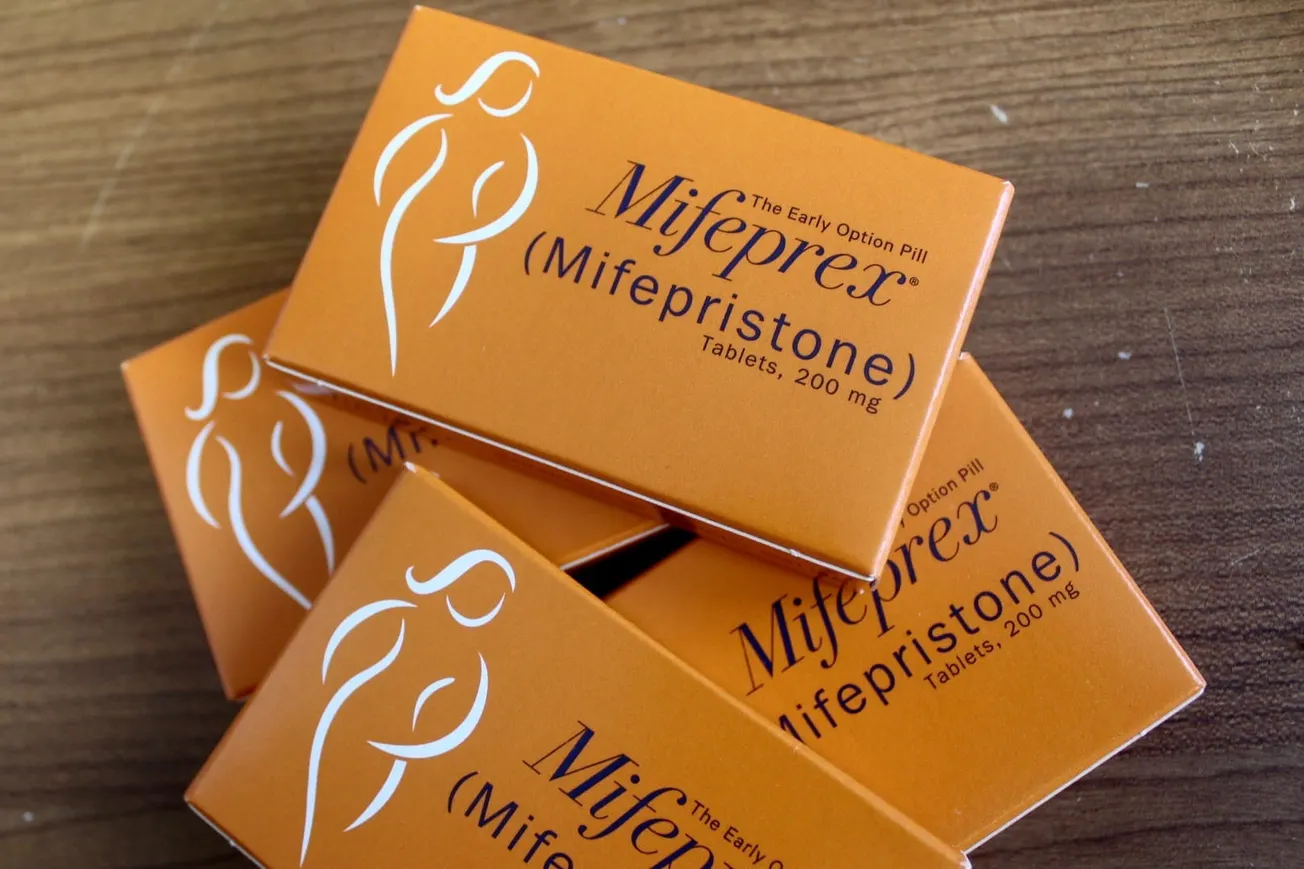
The fall of Roe and the rise of state abortion bans jeopardized a wide range of medical research on medications that could both end a pregnancy and alleviate some of society’s most common ailments. Scientists around the country are testing mifepristone’s ability to treat everything from post-traumatic stress disorder to leukemia to alcohol addiction to uterine fibroids. Dispensing mifepristone for such medical studies is legal—even in states with abortion restrictions or near-total bans—but Dobbs chilled the research all the same.
Dr. Tarah Ballinger, a professor at Indiana University’s medical school, launched a clinical trial in late 2021 to test whether mifepristone could prevent breast cancer in patients with the high-risk BRCA genetic mutation. The hormone progesterone, produced by the ovaries, was already proven to fuel the development and spread of some cancers, so she figured mifepristone’s antiprogesterone properties could be beneficial. The study required participants to show a negative pregnancy test in order to participate, meaning the pills would not and could not cause an abortion. But after Roe fell and Indiana began debating a ban on the procedure, Ballinger pulled the plug out of fear of losing access to the drug or putting her team at risk of a criminal investigation.
It was not an isolated incident. In the summer of 2025, a group of health researchers warned in the medical journal The Lancet that antiabortion policies were stymieing many other efforts to test mifepristone’s power to treat and prevent breast cancer—the world’s leading cause of cancer deaths in women. Early studies of the drug found a promising “antiproliferative effect” that slowed the spread of cancerous cells, the scientists wrote, but “political and practical barriers” in the United States hampered investigation into possible alternatives to the highly invasive breast removal surgeries many at-risk women undergo as a preventive measure.
State abortion restrictions and widespread stigma also caused the United States to fall behind as other countries saw research breakthroughs. Scientists in Argentina, China, Italy, India, the Netherlands, and Nigeria recently discovered that mifepristone has a wide range of medical benefits, from treating endometriosis to preventing certain cancers to serving as a contraceptive with fewer side effects than hormonal birth control pills. Yet such research is lagging stateside, making it harder for American patients to access potentially life-changing therapeutics.
Additional restrictions took hold in early 2026 when President Donald Trump reinstated and expanded a ban from his first administration, which had been lifted by President Joe Biden, on federal funding of medical research that uses human fetal tissue donated from abortions. When the ban was in place during the first Trump administration, the Association of American Medical Colleges and other leading health groups said, “highly worthy, scientifically meritorious research was not funded, creating a chilling effect on the broader scientific community.” Biomedical research using human fetal tissue had for decades fueled breakthroughs in treating and preventing everything from the Zika virus and HIV to amyotrophic lateral sclerosis (ALS) and Parkinson’s. Banning government funding of such work, the groups stressed, could “delay future advances, vaccines, and anti-viral therapies.”
Though privately funded studies could continue, post-Dobbs restrictions also impeded ongoing work on birth defects, pre-eclampsia, and miscarriages.
Dr. Winifred Mak at the University of Texas at Austin has dedicated her career to investigating why some couples experience repeat pregnancy losses, scrutinizing both the male and female reproductive systems. She struggled for years to launch and secure funding for a study on the placenta of women who miscarry early in pregnancy—an inquiry she believed could help millions of people carry pregnancies safely to term.
In order to do that research, she needed to compare placenta and fetal tissue from miscarriages to those of healthy pregnancies that were aborted, and she lost the ability to obtain the latter in Texas in the wake of the state’s near-total ban.
“I would have to collaborate with people outside the state who don't have restrictions and have more access,” she said. “If we could do this work without this tissue, we would. But you have to know what normal is before you can know what abnormal is.”
Yet sourcing that material from another state—which would entail having it frozen and shipped—not only would make the research far more expensive, it would compromise the quality of the samples.
“Fresh tissue is best,” she said. “If you have to freeze the tissue, it would likely degrade during transport, so it's harder to get the cells, and your research will be significantly slower.”
Copyright © 2026 by Alice Miranda Ollstein. This excerpt originally appeared in Side Effects: How Abortion Bans Impact Everyone's Health, published by The New Press. Reprinted here with permission.
Follow Autonomy News on Instagram, Bluesky, TikTok, Threads, and LinkedIn.