Autonomy News is a reader-funded, independent publication. Our reporting isn't possible without your support. Become a paid subscriber or make a tax-deductible gift today.
This article is published in collaboration with Mother Jones.
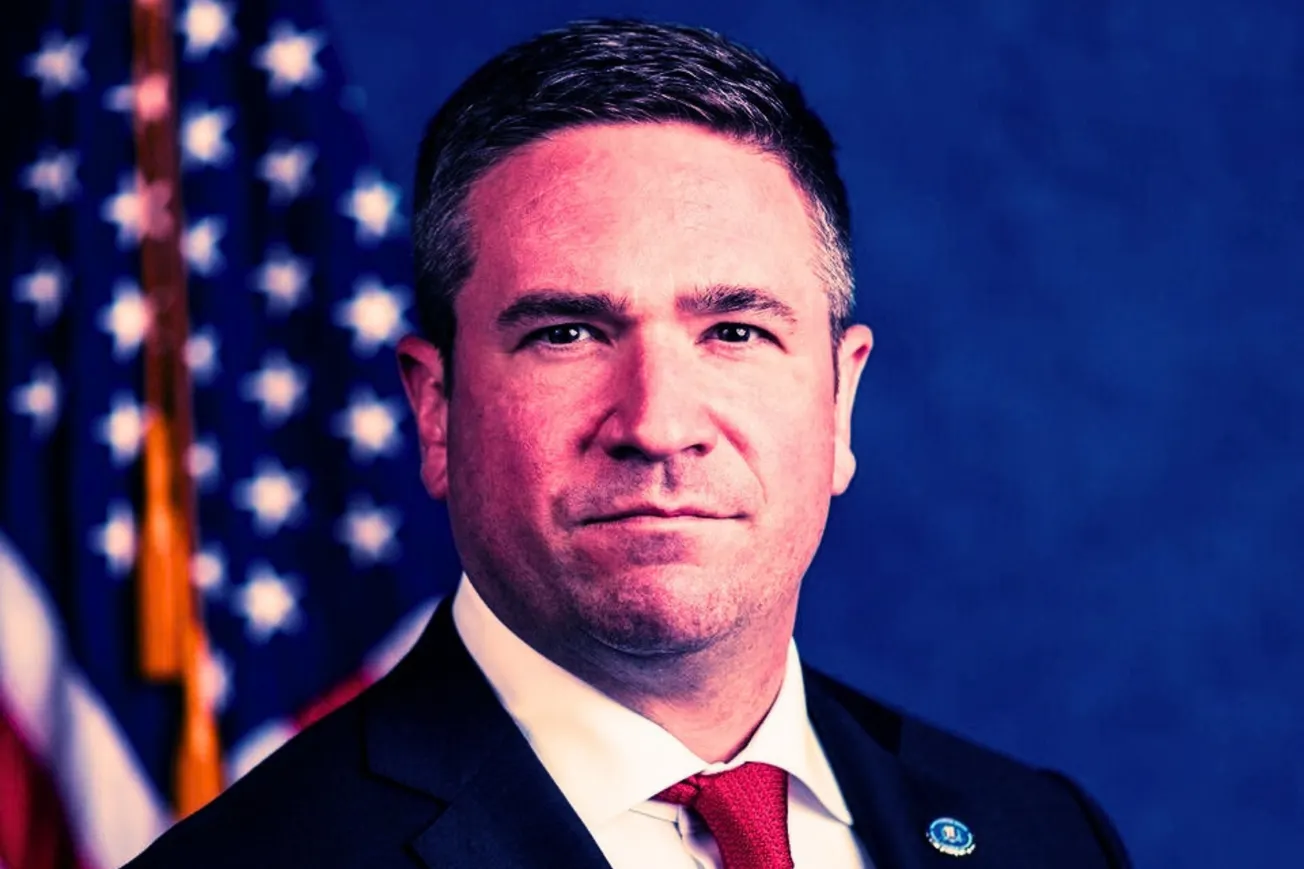
For the last year, the FBI’s No. 2 man has been an anti-abortion hardliner oddly preoccupied with the earning potential of aborted fetuses. Back when Andrew Bailey was still the attorney general of Missouri, he tried to thwart a pro-abortion rights constitutional amendment on the 2024 ballot by arguing that “aborting unborn Missourians will have a deleterious impact on the [state’s] future tax base.” Later on, in a lawsuit against the FDA over the abortion drug mifepristone, Bailey and other attorneys general claimed that telehealth access to abortion pills is “depressing expected birth rates for teenaged mothers,” potentially leading to a “diminishment of political representation” and “loss of federal funds.”
As arguments against abortion go, these were “absolutely insane,” one of Bailey’s Democratic rivals for AG declared. But pronatalist-tinged lunacy is hardly disqualifying in today’s GOP. In the summer of 2025, Bailey became co-deputy director of the FBI, a position that gave him enormous power over the agency’s operations—including, potentially, investigations against abortion advocates, providers, and patients.
But on Monday, the Wall Street Journal reported that this week is Bailey’s last at the agency, an announcement that comes amid massive staff turnover. MS NOW reports that he resigned in frustration over the recent demotion of two agents whose handling of reported threats against Katie Miller, wife of administration official Stephen Miller, dissatisfied leadership—and because he was angry he hadn’t been named director.
His history of aggressive investigations into abortion providers was a chilling glimpse into what might happen at the federal level, as the Trump 2.0 administration faces growing to ban or even criminalize abortion pills. But we may never know what Bailey was up to at the FBI. It’s extremely difficult to get a window into the agency’s operations: Records from active criminal investigations are often considered exempt from the Freedom of Information Act, and the FBI in particular has a long history of evading disclosure requirements.
Newly minted U.S. Attorney General Todd Blanche has all but confirmed that a crackdown is coming, saying he would review the government’s stance on enforcing the Comstock Act, a 19th-century federal anti-vice law targeting “obscene” items sent by mail or any other means of shipping. Although it has long been dormant, Comstock was never repealed, and abortion opponents—including Supreme Court Justice Clarence Thomas—insist it remains the law of the land. Bailey’s suit against the FDA claimed that allowing telemedicine prescriptions of mifepristone violates Comstock, and he warned CVS and Walgreens that they’d run afoul of the statute by dispensing abortion meds.
“Without naming any of the companies, I'm not saying we're not [investigating] already.”
Bailey was in a position to direct criminal investigations into the distribution of those medications—whether prescribed by clinicians across state lines or mailed by human rights groups to patients. In March, a group of Senate Republicans urged the FDA to work with federal law enforcement agencies to clamp down on mail-order services selling mifepristone.
That’s exactly the kind of investigation the FBI would likely oversee, said former federal public defender Peter Moyers, who represented a New York woman prosecuted by the DOJ during the first Trump administration for selling abortion pills. There may not be any signs until agents swarm a pharmacy or a doctor ends up in handcuffs. Contacted for this story, the agency declined to clarify its intentions. “The FBI does not comment on, nor confirm the existence of, ongoing investigations,” it said.
FBI Director Kash Patel has expressed openness to criminal probes. In a September 15 hearing, Missouri Senator Josh Hawley claimed that abortion pill manufacturers are “actively coaching” people on how to use the mail and “other means of communication and commerce” to evade state abortion bans. "Without naming any of the companies, I'm not saying we're not [investigating] already,” Patel said, “but any use of the federal mail system is a federal crime that falls to the FBI to investigate, especially in conjunction with a violation of a state law that's already on the books. So we're committed to that."
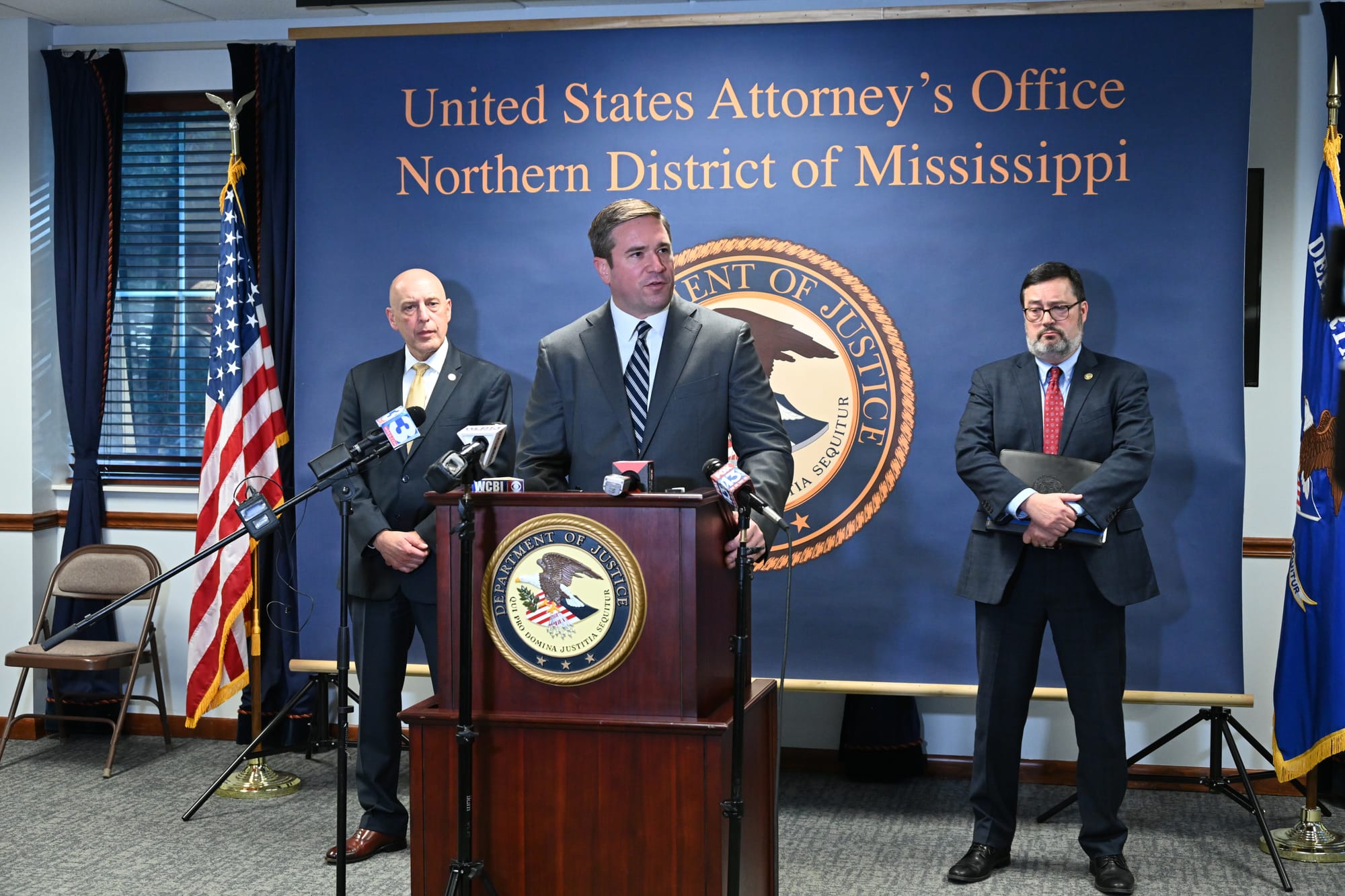
Bailey’s path to public office was humble compared with many in Missouri’s far-right political elite. He attended the University of Missouri in Columbia on an ROTC scholarship, enlisted in the Army after 9/11, and volunteered to go to Iraq, taking the place of another soldier who was married with kids. After winning multiple medals for his military service and returning to Mizzou for his law degree, Bailey worked his way up the GOP ladder, eventually becoming general counsel to then-Governor Mike Parson.
Bailey didn’t have much of a public profile and had never run for office when, in 2022, Parson appointed him to replace newly elected Senator Eric Schmitt as attorney general. The job has been a launching pad for many of the state’s best-known conservative politicians, said Mallory Schwarz, executive director of Abortion Action Missouri, who once worked for the since-disbanded Republican Majority for Choice. Alumni include former Governor John Ashcroft, President George W. Bush’s first attorney general, and MAGA showboat Hawley. But Bailey lacked the pedigree of the Hawley crowd. “They’re all Ivy League, Scalia-like, right-wing intellectuals, and that’s not really Andrew,” says Missouri attorney Chuck Hatfield, who has often represented Planned Parenthood and its affiliates in the state.
What Bailey did share with other prominent Missouri conservatives—including President Donald Trump’s solicitor general, John Sauer; Trump White House counsel Will Scharf; and Ed Martin, the Stop the Stealer who helped write the GOP’s pro-fetal personhood platform in 2024—was an unwavering opposition to abortion. Bailey and his wife, Jessica, have four children, three of whom they adopted. In 2017, they lost a daughter who lived for only a few hours after birth. Bailey told the Missouri Independent that they’d received a fetal diagnosis “inconsistent with life” early in the pregnancy but chose to continue it anyway. “I have faith that God designs every human being in the womb,” he said then.
He also defended Missouri’s 2022 abortion ban that allowed the procedure only in the case of medical emergencies and would force others to carry doomed pregnancies. “I want all kids to have an opportunity at life,” he said, arguing that the ban was “the proper policy position to protect life.”
Texas AG turned Senate candidate Ken Paxton “gets a lot of attention for how outrageous he is,” but “Bailey was always saying, ‘Hey, Paxton, hold my beer...I’m gonna beat you to it.’”
Nonetheless, based on his work in the governor’s office, reproductive justice advocates expected him to be “reasonable,” says Katy Erker-Lynch, executive director of the LGBTQ+ advocacy organization PROMO. That assessment ended up being “absolutely wrong.” Texas AG turned Senate candidate Ken Paxton “gets a lot of attention for how outrageous he is,” Erker-Lynch says. “Bailey was always saying, ‘Hey, Paxton, hold my beer...I’m gonna beat you to it.’”
Within months of taking office, Bailey was among the first red-state AGs to target providers of gender-affirming care, demanding that they turn over unredacted medical records of transgender minors—a move Trump’s Justice Department would emulate in 2025. He followed up by issuing an emergency rule that would have drastically limited access to such care for patients of all ages, withdrawing it only after the legislature passed its own ban on care for minors. This, his critics say, became Bailey’s defining style: launching culture-war investigations and lawsuits designed not necessarily to succeed in court, but to influence policy while raising his own profile in the process.
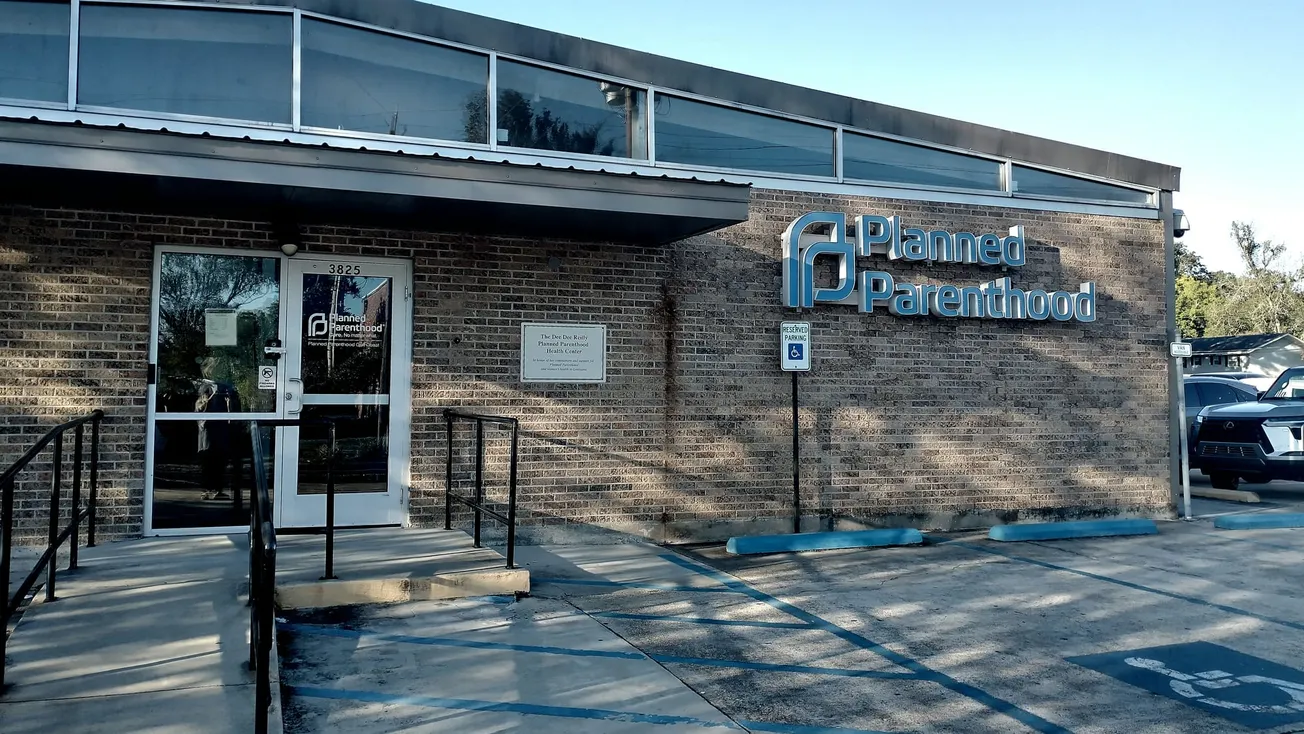
His focus on abortion bordered on obsessive. In 2024, he joined a lawsuit by religious doctors against the FDA over its regulation of mifepristone—a move that ended up keeping the litigation alive after the Supreme Court ruled the doctors didn’t have standing to sue. That same year, Bailey accused a Kansas City-area Planned Parenthood clinic of illegally “transporting” minors to help them obtain abortions, citing a staged sting video produced by the far-right activist group Project Veritas. His goal, he freely admitted, was to “eradicate Planned Parenthood once and for all,” though he targeted other reproductive rights advocates as well, subpoenaing Missouri Abortion Fund for patient records as part of the case, which remains ongoing as of this writing.
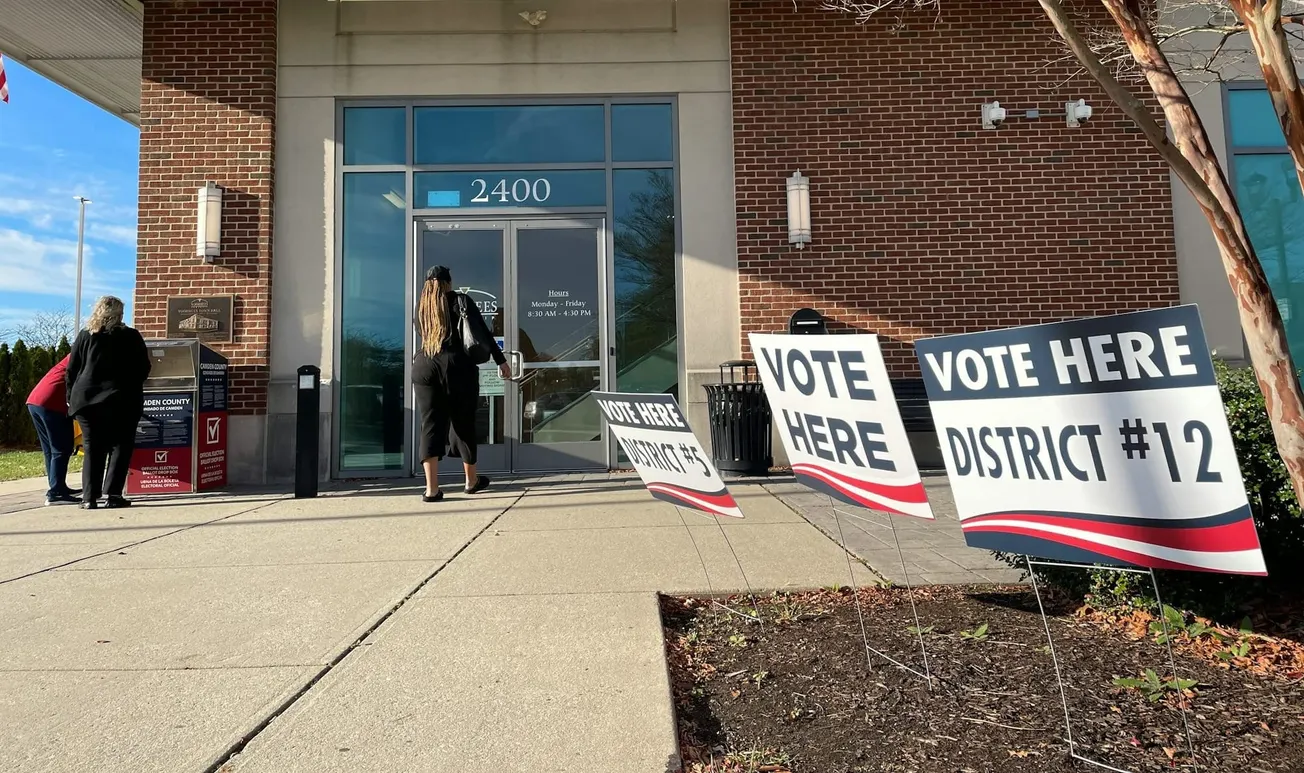
Meanwhile, he fought ferociously to keep Amendment 3, a voter initiative aimed at enshrining abortion rights in the state constitution, off the 2024 ballot, delaying the gathering of signatures and otherwise gumming up the process until even the GOP-dominated state Supreme Court ran out of patience. When he lost that campaign and voters went on to repeal Missouri’s abortion ban by a 52 to 48 percent margin, he litigated aggressively to keep restrictions in place, while accusing the state’s Planned Parenthood affiliates of providing medication abortions when they were not. Those efforts to subvert the amendment ultimately failed, despite a new state law that gave him special powers to intervene when courts blocked laws, and abortions have resumed. Now Missouri conservatives are trying to overturn the 2024 vote with their own ballot measure, also called Amendment 3, this November.
In one of his final anti-abortion initiatives as AG, Bailey sued the national office of Planned Parenthood for false advertising, arguing that it made misleading claims when it said that medication abortion is safer than Tylenol. Florida’s AG followed with a similar suit a few months later. Both cases remain active.
Records and internal correspondence obtained by American Oversight, a watchdog organization, show that some of Bailey’s strategies may have come directly from anti-abortion organizations. For example, his claims that repealing Missouri’s abortion ban could lead to billions in lost tax revenue and federal funding echoed comments submitted to the state auditor’s office by Missouri Right to Life and the Heritage Foundation. Missouri Right to Life’s director also sent the Project Veritas sting video to Bailey’s office. Two years before Bailey filed the false advertising suit, his office received a memo from Students for Life of America outlining how state consumer protection laws could be used to attack access to medication abortion. The Students for Life connection could prove significant as the group is now pushing the DOJ to revive the Comstock Act.
In response to questions about whether Bailey was present when Students for Life met with DOJ officials in May, the agency said Bailey oversaw “a wide range of operational matters and interacts with a spectrum of stakeholders,” adding that he has “dedicated his career to upholding the constitution and enforcing the law.”
Bailey’s efforts on abortion didn’t distract from his fealty to the broader MAGA cause. He secured a “historic” $24 billion default judgment against the People’s Republic of China, among others, for misleading the public about supposedly starting the Covid pandemic, a legally pointless case he inherited from his predecessor, Schmitt. (China is now countersuing for $50 billion.) He tried to investigate the liberal nonprofit Media Matters for reporting on extremist content on Elon Musk’s X but was halted by a court. In a move that seemed calculated to prove his bona fides as a potential Trump attack dog, he sued the state of New York in the summer of 2024, arguing—unsuccessfully—that its prosecution of the once and future president for hush money payments to Stormy Daniels improperly interfered with Trump’s campaign. Bailey “really saw the opportunity to audition” for a job in the administration “and did that very well,” says Vanessa Wellbery, formerly the vice president of policy and advocacy for Planned Parenthood’s St. Louis-region affiliate.
After Trump’s victory, Bailey was reported to be on the short list to head the DOJ but, according to The New York Times, was deemed to be “too laid back” and “lackluster” for the president’s tastes. He lost out first to former Florida Rep. Matt Gaetz—who was forced to withdraw after sex trafficking and drug allegations proved unacceptable even to his former congressional colleagues—and then to ex-Florida Attorney General Pam Bondi. (Gaetz has denied the allegations against him.) Back in Missouri, Bailey doubled down on the kinds of cases sure to keep him on Trump’s radar, suing IBM over its diversity policies and Starbucks for allegedly discriminating against straight, white men. IBM settled; Starbucks won a dismissal.
Eight months into Trump’s second term, Bailey finally got the nod to join the FBI as co-deputy director. It’s not clear why he was plucked for that role; what does seem clear is that far-right podcaster and ex-Secret Service agent Dan Bongino—who’d been doing the job solo for a few months—needed some adult supervision. Schwarz said it was “appropriate,” given Bailey’s obsession with young girls’ bodies, that he went to work for the agency that bungled the public disclosure of the Epstein files. (In response to questions for this story, the agency said Bailey’s “experience conducting complex investigations at the state level informs his management” in his FBI role.) After Bongino quit this past winter, complaining about his long hours, career agent Christopher Raia became Bailey’s co-deputy.
In contrast with his boss Patel, Bailey has rarely made headlines in his role. One notable exception was the FBI’s raid in January on the Fulton County, Georgia, election office at the center of conspiracies around the 2020 election. Bailey, who has peddled election denialism, personally oversaw the raid, alongside then-Director of National Intelligence Tulsi Gabbard. Two Democratic senators called their presence during the search "unprecedented."
Moyers’ client Ursula Wing, who was prosecuted for selling abortion pills between 2016 and 2018, got caught because of an abusive man in Wisconsin who gave mifepristone to his girlfriend without her consent. She had little idea she was under suspicion until FDA agents showed up at her New York City apartment. Ultimately, Wing pleaded guilty to defrauding government agencies—in other words, not paying taxes and customs duties on the pills she sold. She didn’t face any abortion-specific charges.
In its push for abortion pill restrictions, the anti-abortion movement has leaned heavily on cases of supposed coercion, some of which are highly dubious. One such story is at the center of a Louisiana lawsuit against the FDA over its regulation of mifepristone. Another string of lawsuits were filed by jilted men upset over their partners’ abortions. While rare, cases of alleged coercion could provide an opportunity for criminal investigations into pill providers, including community networks that provide pills for free. Hawley also pushed Patel on whether the FBI would investigate alleged abusers when there is a “federal nexus” like using the mail, to which Patel replied, “Yes, sir.”
Theoretically, these groups may be less likely to get caught since they’re not relying on financial services, Moyers said, which are the starting point for many criminal investigations. Still, from the perspective of federal agencies, he said they’re committing “a bunch of felonies” by importing the pills from overseas, as well as transporting the medications across state lines, and communicating about all of it. The exposure is “certainly prison time,” Moyers said.
“Shield” laws, which protect providers who prescribe pills to patients in abortion ban states, have emerged as enemy number one of the anti-abortion movement. They are responsible for nearly 15,000 abortions each month in states where the care is illegal. “The ultimate goal is to cut off people's access to pills, and sort of the biggest fish in that is the manufacturers and the ‘shield’ law providers,” said Farah Diaz-Tello, senior counsel and legal director for If/When/How, a reproductive justice group that represents people investigated for their pregnancy outcomes.
“The ultimate goal is to cut off people's access to pills, and sort of the biggest fish in that is the manufacturers and the ‘shield’ law providers.”
Federal agencies have a host of laws to weaponize should they decide to come after providers, such as Bailey’s favorite, the Comstock Act, or even the Racketeer Influenced and Corrupt Organizations Act (RICO), according to Rachel Rebouché, a law professor at the University of Texas School of Law.
Abortion pill prosecutions have moved from the realm of speculation to the conservative to-do list. Senate Republicans have called on federal agencies to work together to crack down on pills coming into the country and being mailed between states, an effort the FBI would typically coordinate via a task force. This type of investigation isn’t hypothetical. In late 2022, the U.S. Postal Inspection Service got a warrant to search what it deemed suspicious packages in Mississippi. Inspectors seized dozens of envelopes containing abortion pill kits manufactured in India. The investigation was closed without any prosecutions, though that was under the Biden administration. The current regime is more likely to greenlight criminal charges.
“The FBI has never been an agency known for embracing transparency,” said Chioma Chukwu, executive director of American Oversight. “Against a backdrop of appointing political allies to roles traditionally held by career FBI leaders while firing career personnel perceived as insufficiently loyal, this administration has sent a troubling message about who the FBI serves.”
Does Trump actually want criminal investigations of abortion-pill providers? That’s not clear, though plenty of Republicans—including Hawley—do. Other anti-abortion hardliners have been moving into influential positions in the administration, including pro-fetal personhood lawyer Josh Craddock at the DOJ’s Office of Legal Counsel and Dr. Heidi Overton, Trump’s new pick to lead the FDA. No one expects any big moves from the administration before the midterms. Then all bets are off.
Follow Autonomy News on Instagram, Bluesky, TikTok, Threads, and LinkedIn.