Autonomy News is a reader-funded, independent publication. Our reporting isn't possible without your support. Please consider becoming a paid subscriber or making a gift from a donor-advised fund today.
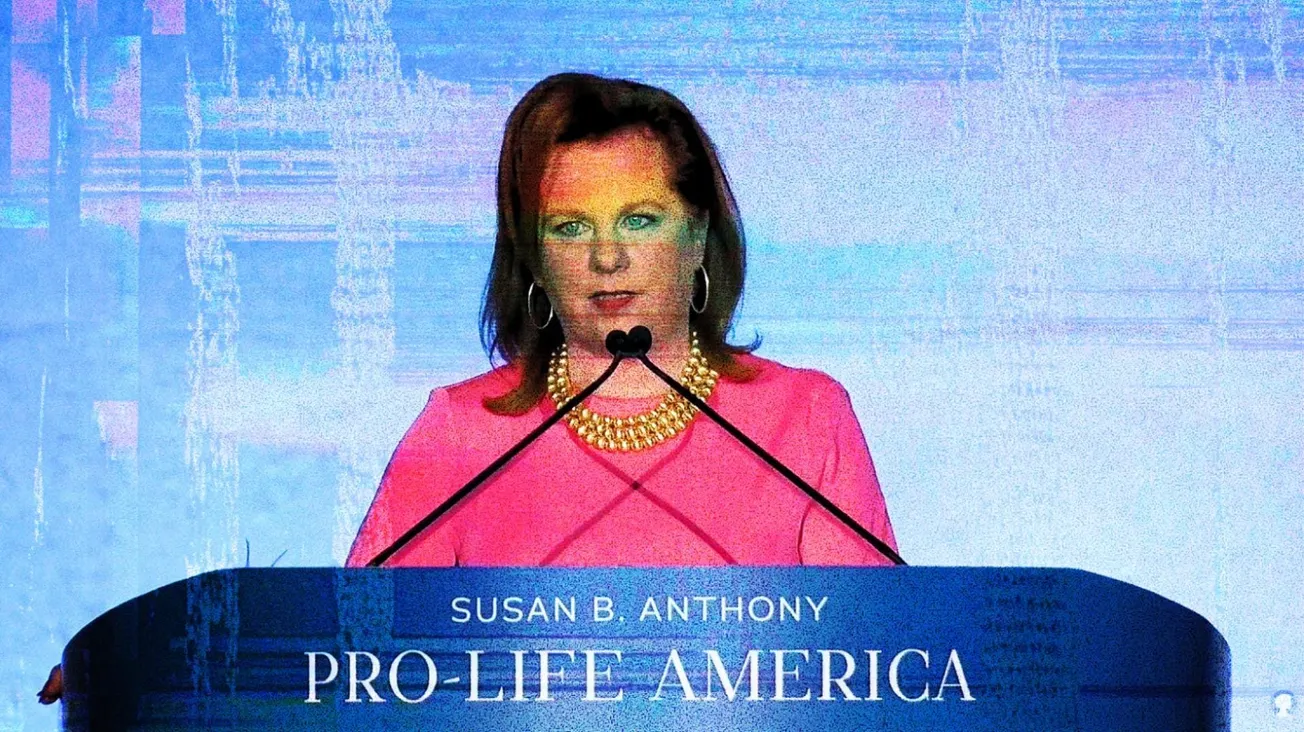
On Friday, Susan B. Anthony Pro-Life America (SBA) signed a letter calling on the Department of Justice (DOJ) to interpret a 19th century anti-obscenity law as a national abortion ban. It's the first time the country’s largest anti-abortion organization has publicly endorsed this interpretation of the Comstock Act, signaling that a once-fringe reading of the dormant law has gone mainstream within the movement—and that these groups are coming for more than just abortion pills.
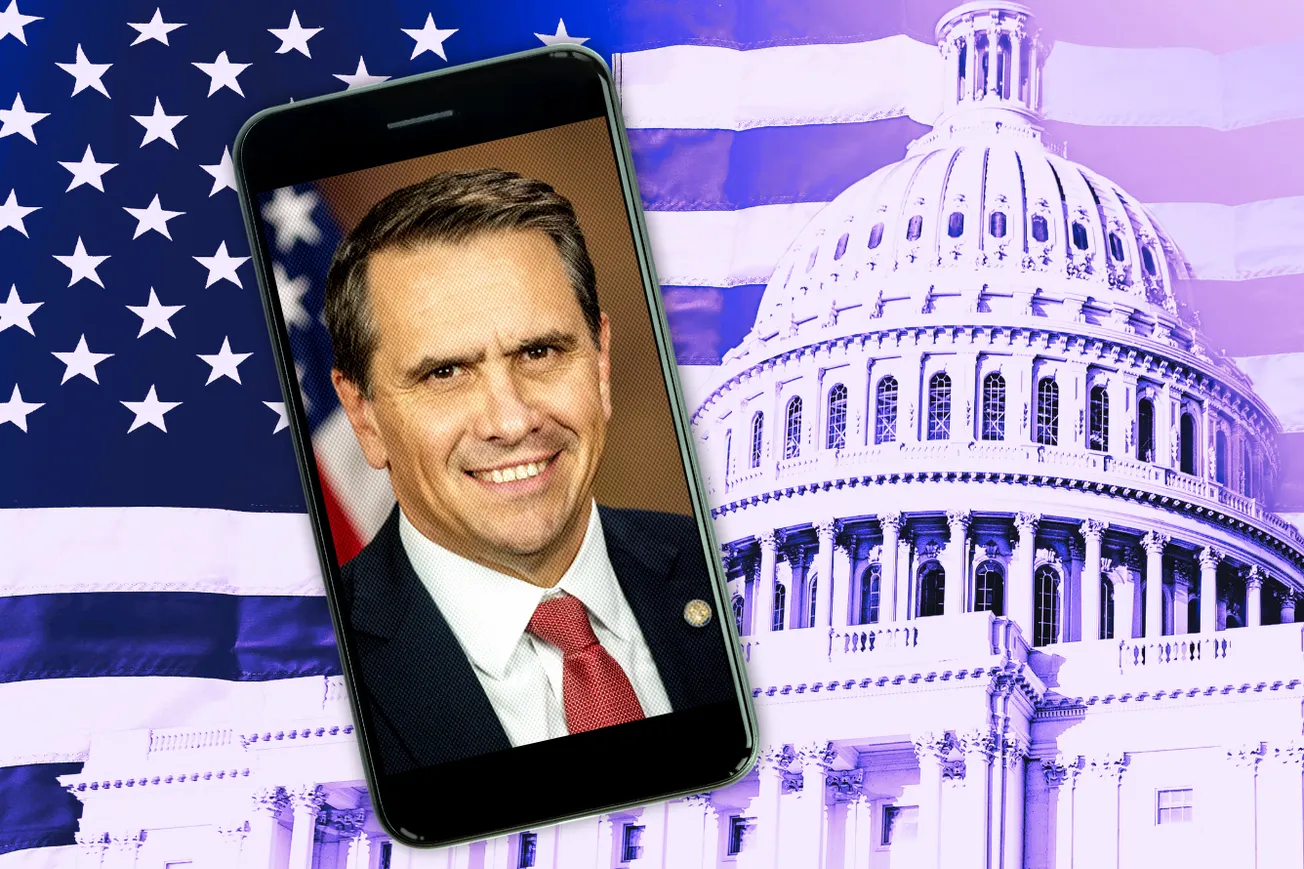
The letter was sent by Advancing American Freedom (AAF), a right-wing political advocacy group founded by former Vice President Mike Pence in 2021. It urges Attorney General Todd Blanche to review a 2022 opinion from the DOJ’s Office of Legal Counsel (OLC), which provides legal advice to the president and federal agencies. Under former President Joe Biden, the OLC determined that the Comstock Act—which bans the shipment of “obscene” items, including drugs and devices that could be used for abortion—does not prohibit mailing abortion pills so long as the sender doesn’t intend for them to be used “unlawfully.”
While the AAF letter refers to “abortion drugs,” it argues that Comstock bans mailing any article or thing that can be used for abortions. This sweeping contention could outlaw mailing medications used for abortion—including mifepristone and misoprostol—as well as devices and other supplies sent to brick-and-mortar abortion clinics. These same drugs, devices, and supplies are also used for routine obstetric care, including miscarriage management and treatment of postpartum hemorrhage. Other signatories include Americans United for Life (AUL) and Students for Life of America. The letter was exclusively reported by the far-right Washington Examiner.
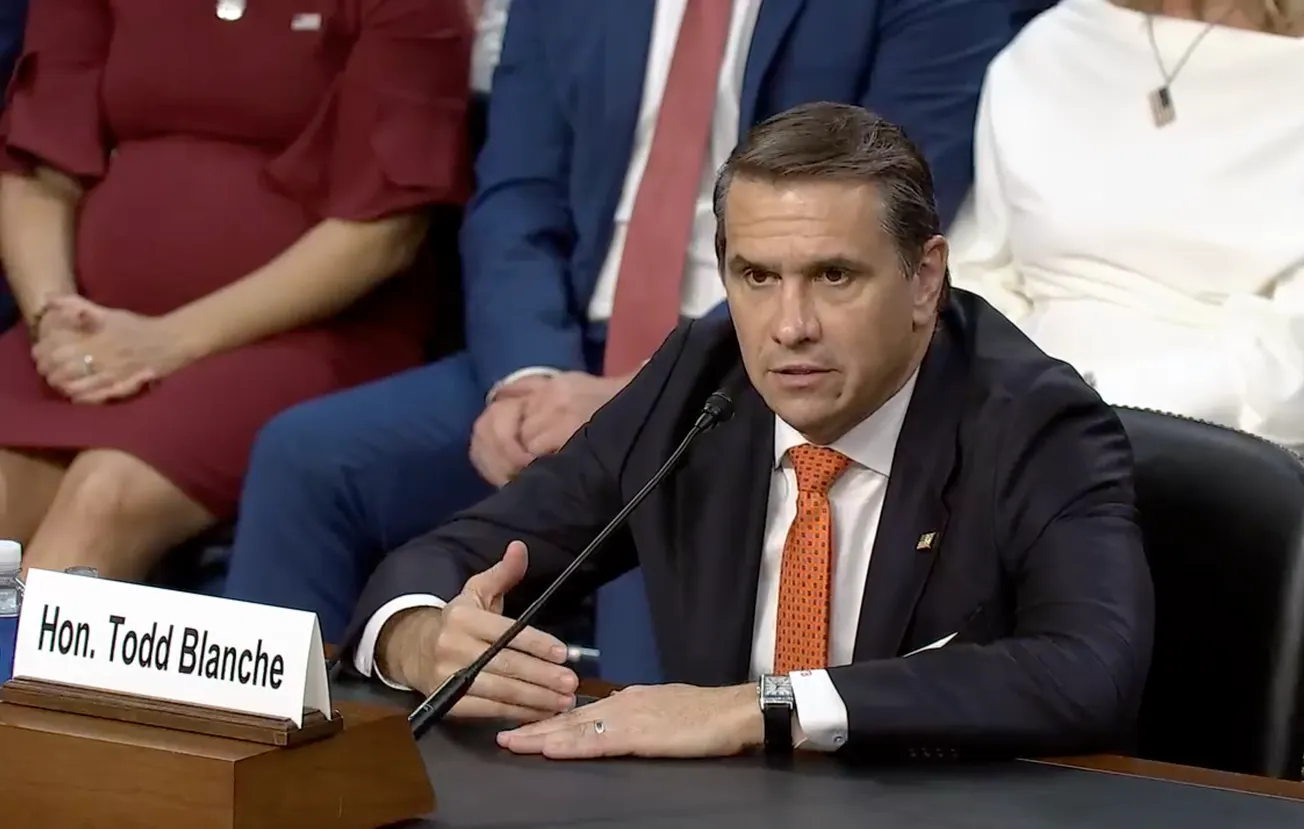
AG Blanche, who was confirmed in the predawn hours on Saturday, had already promised to review this OLC opinion during his confirmation hearing, in response to a question from Texas Senator Ted Cruz. In a private call hosted by the White House Faith Office, he made an even more direct pledge to anti-abortion groups, saying that the Trump administration was working to find “permanent solutions” to the fact that telemedicine abortion allows people to evade state bans.
What’s significant about this letter is SBA’s choice to sign on: Until Friday, the powerful political advocacy organization hadn't publicly said anything about Comstock.
For example, SBA didn’t sign a January 2025 letter led by AUL, which demanded that the DOJ rescind the OLC memo and immediately enforce the Comstock Act to ban “mail-order abortion.” Anti-abortion organizations and state governments alike have cited the Comstock Act in the multiple ongoing lawsuits against the Food and Drug Administration (FDA) over its regulation of the abortion drug mifepristone, arguing that the FDA’s 2021 policy change allowing it to be prescribed via telehealth and sent by mail violates the law. But SBA’s amicus briefs in these cases do not mention the Comstock Act, though they support reinstating medically unnecessary in-person appointments.
However, SBA did serve on the advisory board of the Heritage Foundation’s Project 2025, which called abortion pills “the single greatest threat to unborn children in a post-Roe world.” The playbook urged the next Republican president to enforce Comstock against providers and distributors of abortion pills. When NPR asked SBA for comment on Comstock in 2024, they referred the outlet to the Heritage Foundation. Autonomy News contacted SBA for comment and has not heard back.
Anti-abortion groups have focused on two approaches to limit access to medication abortion: pressuring the FDA to reimpose outdated restrictions on mifepristone, and urging the DOJ to enforce Comstock as a ban on shipping pills. It’s possible that, for SBA, Blanche’s recent comments signaled that the strategy most likely to successfully restrict abortion pills has changed.
“I think the initial thought was that the FDA strategy would be easier, because the Comstock strategy obviously is what presents itself as a ban on all kinds of abortion all the time,” said Mary Ziegler, a law professor at the University of California, Davis School of Law and an expert in the history and politics of reproductive rights. Conservatives may have also believed that they could message the FDA tactic better “because it wasn't a national abortion ban associated with a 19th-century morality crusader.”
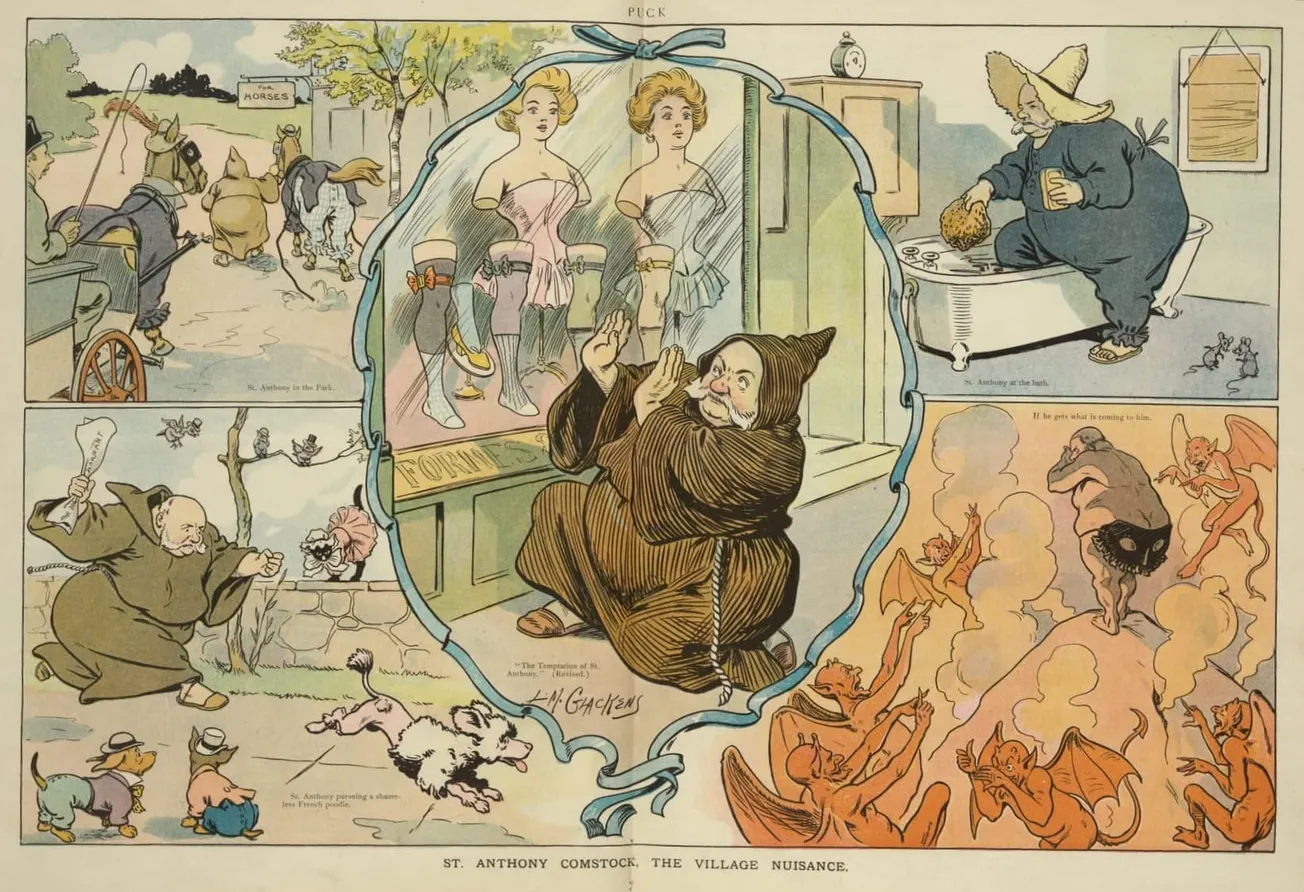
That morality crusader was Anthony Comstock, a man racked with guilt over his own lustful masturbation habit and horrified by New York City’s sex trade. He became a leader in the anti-vice movement, which urged the public to leave behind porn, sex toys, and various drugs and devices used for contraception and abortion. Days after the 1873 passage of his namesake law, Comstock was sworn in as a U.S. postal inspector and given special investigatory powers. He was known for carting around a trunk of confiscated sex toys, and used the law—and later state-level versions of it—to target Planned Parenthood founder Margaret Sanger and the infamous New York abortion provider Madame Restell. Even in his own time, he was widely ridiculed.
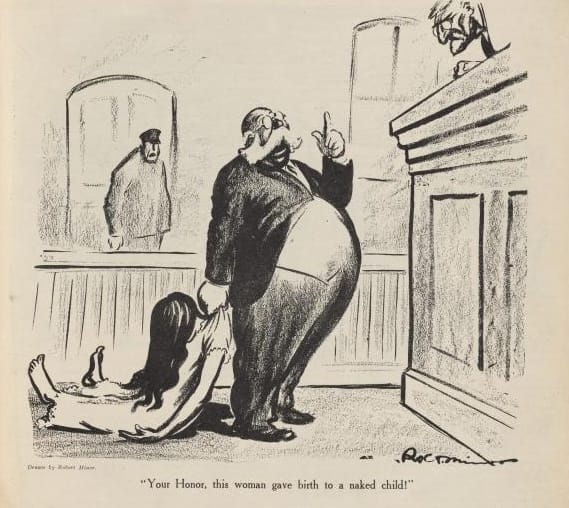
Originally, the Comstock Act only banned drugs and devices used for “unlawful” abortions. In the more than 150 years since, courts and Congress have held onto this reading of the law, even though the word “unlawful” no longer appears in the text. However, following the Supreme Court’s decision to overturn Roe v. Wade, some anti-abortion legal strategists began to argue that Comstock could be interpreted as a total ban on abortion nationwide—or at the very least, a ban on mailing abortion pills.
SBA may now be embracing this idea, Ziegler told Autonomy News, “because putting all [its] eggs in the FDA basket has manifested nothing.” None of the lawsuits against the FDA have yet to succeed in restoring restrictions on mifepristone, and while the agency finally began a long-promised “review” of mifepristone’s safety in June, that only came after months of increasing pressure from anti-abortion groups, including SBA.
“If the Comstock Act were enforceable in the way that Susan B. Anthony is reading it, that would trump any state-level protection.”
Ziegler said that, because of SBA’s place in the conservative movement, it’s “a big deal” that the organization has now publicly embraced Comstock. The group, founded in 1992, will spend more than $80 million on the midterms. “Susan B. Anthony tends to be more cautious than the average rank-and-file person because their job is basically to get Republicans who are opposed to abortion elected,” she said. “That sometimes means moderating your tone or your positions.”
SBA is primarily focused on national politics, and it’s probably not a coincidence that it signed this letter after two high-profile Republican Senators, Ted Cruz and Josh Hawley, pushed Blanche during his confirmation process to enforce Comstock. “I see Susan B. Anthony as the anti-abortion group that's more closely aligned with the GOP of all the actors in the ecosystem,” Ziegler said, adding that SBA’s public stance could mean that Congressional Republicans are “coalescing” around the Comstock strategy.
Cruz and Hawley were hardly the progenitors of this scheme. Its earliest adopters were the Christian nationalist law firm Alliance Defending Freedom and legal activist Jonathan Mitchell. ADF first cited Comstock as a rationale to restrict access to mifepristone in late November 2022, less than six months after Dobbs. More recently, Students for Life has been aggressively lobbying the DOJ to enforce Comstock. SBA joining in is “the tail wagging the dog,” Ziegler said.
“It's also an interesting reflection of how power dynamics in the movement are shifting,” she added, “where groups like Susan B. Anthony can be brought around to what more conservative groups are doing, as opposed to saying, ‘Okay, we're the ones with the expertise on national elections, so we're going to call the shots.’”
SBA’s recent move may also have arisen from political resentments: The organization has had a rocky relationship with Trump dating back to January 2016 when it told Iowa caucus-goers “to support anyone but Donald Trump.” Conversely, it has continued to praise Pence even after his falling out with Trump. In fact, Pence’s AAF has worked to position itself as a leading voice pressuring Trump on abortion as he has backed away from the issue.
Comstock gets its day in court
Ziegler said the letter underscores that a literal reading of Comstock means it cannot be limited to banning mifepristone alone. “You can't cabin it,” she said. “That argument is either you're all in or you're all out.”
Some groups are now saying that part out loud, too. Americans United for Life spokesperson Gavin Oxley told Stateline that the organization believes a “strict application of Comstock” applies beyond mifepristone. “Any drug or instrument mailed with the intention of abortion falls under the law’s authority, proactively protecting women from new or adapted abortion methods, including misoprostol-only abortions,” Oxley said. Misoprostol is most often used in combination with mifepristone, but because the drug is also safe and effective on its own, providers are prepared to switch to prescribing misoprostol-only abortions should the availability of mifepristone change.
But the AAF letter argues that Comstock bans sending all items that can be used for abortion, no matter the "sender’s subjective intent and a recipient’s intended use"—that is, whether the abortion is unlawful or not. Autonomy News contacted both AUL and AAF for comment on whether they believe Comstock functions as a nationwide abortion ban. Neither responded by publication time.
“You can't cabin it. That argument is either you're all in [on a national ban] or you're all out.”
The Comstock Act is about to have its day in court: On September 9, the Fifth Circuit Court of Appeals will hear arguments in a case Louisiana filed against the FDA claiming that Comstock outlaws mailing mifepristone. Louisiana is represented not just by the state Attorney General’s office, but by a team of ADF lawyers including Senator Hawley’s wife, Erin.
When an emergency appeal in the lawsuit reached the Supreme Court in May, Justice Clarence Thomas wrote in a dissent that “the Comstock Act bans using ‘the mails’ to ship any ‘drug ... for producing abortion.’” James Ho, a former Thomas clerk and Fifth Circuit judge, has already agreed that mailing abortion pills is illegal under Comstock, and Ziegler said more Fifth Circuit judges may embrace that stance.
Ziegler agrees with other experts who believe neither the federal courts nor the Trump administration will restrict abortion access until after the midterm elections. At that point, though, Trump will be “the ultimate lame duck,” she said, and he’s shown an alarming willingness to pursue unpopular policies like tariffs, the “anti-weaponization” slush fund, and the war in Iran.
Blanche’s DOJ would be tasked with any Comstock prosecutions. It’s not clear whether he is a true believer or just said what he needed to get confirmed, but Ziegler said it would only take one prosecution under the 19th-century law to scare abortion pill providers out of continuing their work. There’s also a prominent anti-abortion voice already installed in the OLC who would likely be happy to press the issue: Josh Craddock, who signed the 2025 AUL letter on Comstock, and in December authored the memo that instituted a de facto total abortion ban for military veterans and their families.
Services that operate under so-called “shield” laws have helped people in states with abortion bans still access medication abortion. There are eight states with shield laws that extend to telemedicine and Ziegler said shield law providers would have to decide whether they want to risk federal charges.
“Even the threat of that prosecution, I think, would have really significant effects because there is no shield law solution to the Comstock Act,” she said. “If the Comstock Act were enforceable in the way that Susan B. Anthony is reading it, that would trump any state-level protection.” Seeing one of their colleagues get arrested would be “a very different proposition than what shield law doctors are doing now, which is thinking that what they're doing is legal,” Ziegler said.
Any Comstock prosecutions would almost certainly end up before the Supreme Court. While the court let mifepristone mailing continue in May, its emergency order “doesn't in any way mean that there aren't five votes for [Thomas’] Comstock position,” Ziegler said. Justice Samuel Alito, for one, asked questions in a 2024 hearing that suggest openness to the idea that Comstock bans the shipment of abortion drugs.
“There's still a lot of things that would have to work for the Comstock strategy to go the way Susan B. Anthony is intending,” Ziegler said. “But it’s still a big deal that they're asking for it.”
This story was copy edited and fact checked by Hannah McAlilly.
Follow Autonomy News on Instagram, Bluesky, TikTok, Threads, and LinkedIn.