Autonomy News is a reader-funded, independent publication. Our reporting isn't possible without your support. Please consider becoming a paid subscriber or making a tax-deductible gift today.
It’s nothing short of miraculous that, four years after the Supreme Court overturned Roe v. Wade, people are not only still able to access abortion care, but that the number of abortions in the U.S. has increased. But that bump is mostly a result of greater availability of abortion pills by mail, and access to care is much more tenuous than it might seem from headlines about that particular data point.
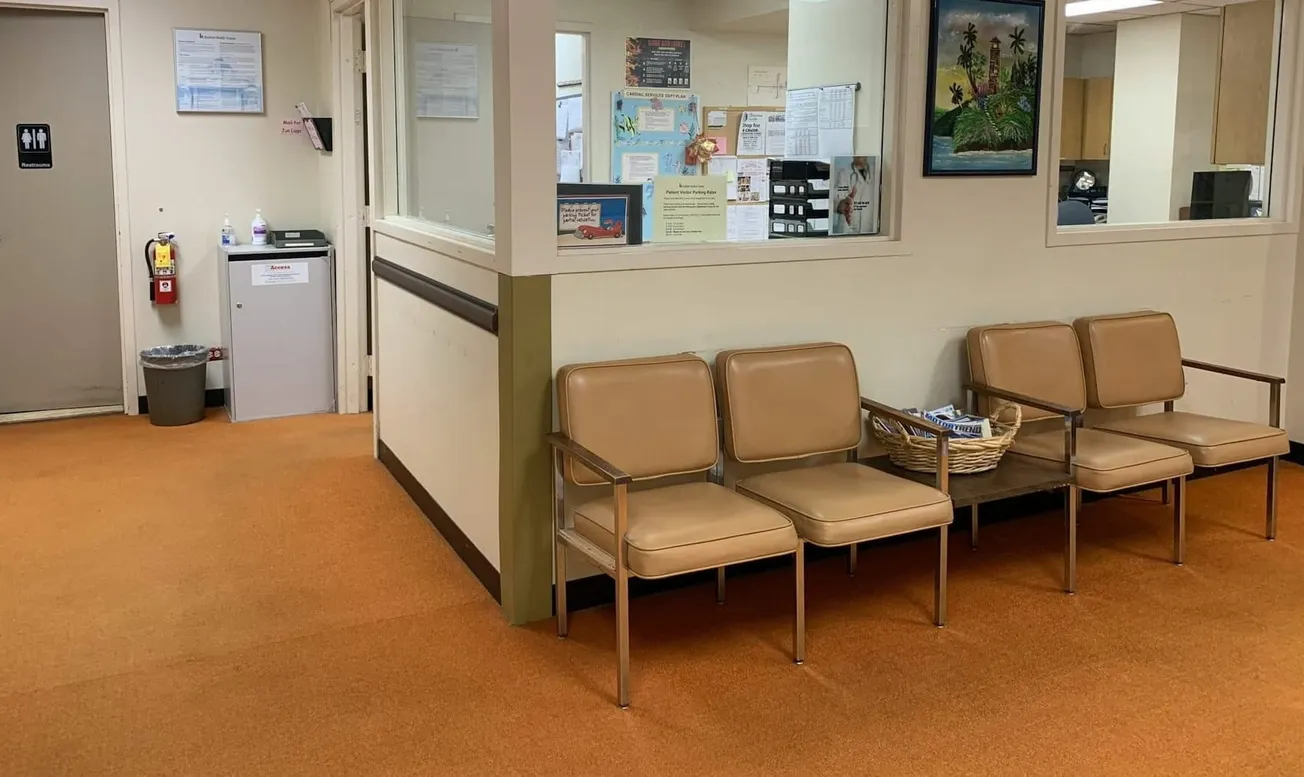
Medication abortion is a multi-day process that isn’t right for everyone. Some people will always want or need clinic-based care, whether that’s due to personal preference, work or childcare obligations, or because they’re later in pregnancy. But brick-and-mortar clinics are deeply struggling, as are abortion funds and practical support organizations, the groups that provide financial assistance to help people travel to and pay for their appointments.
New survey data shared first with Autonomy News outlines a snowballing crisis: A majority of patients cannot afford their in-clinic abortions. Abortion funds are seeing a corresponding increase in clients as their resources dwindle. Many clinics are offering increasingly large discounts to help patients get the care they need, which means absorbing financial losses. That’s according to the Abortion Access Field Sustainability Survey, a quarterly survey on the self-reported financial stability of abortion clinics and funds led by Abortion Bridge Collaborative (ABC) Fund and the abortion information site I Need an A. The groups have been collecting data since the end of 2024.
As a result, clinics are laying off workers and cutting back their service days. Some are even reducing or forgoing staff salaries in order to stay open, said Amanda Beatriz Williams, director of ABC Fund, which was created in 2022 to help respond to crises and support innovation in the field. In 2025, ABC Fund distributed a total of $4 million to more than 40 grantees, including I Need an A, telehealth provider The MAP, and RISE Collective, a Colorado clinic that staff scrambled to open after their former boss abruptly shuttered his clinic.
Rebecca Nall, founder and director of I Need an A, said the U.S. healthcare system is broken and abortion care is no exception. “These clinics have been holding it together with toothpicks and band-aids. They need operational support, they need infrastructure support,” Nall said. “Everything that's happened over the last four years is a miracle and a true lesson in resilience and creativity—and it's a catastrophe, and we shouldn't be having to do this.”
At least 23 independent abortion clinics—meaning those not affiliated with Planned Parenthood—shuttered in 2025, according to Abortion Care Network, a national association for independent abortion providers. About 25 Planned Parenthood clinics that offered abortion care also closed. Without more philanthropic support, Beatriz Williams and Nall said, those numbers could keep increasing.
Plus, the Trump administration could move to restrict access to medication abortion after the midterm elections by ending telehealth prescriptions. This would mean more people needing in-person appointments, which would only exacerbate the budget shortfalls clinics face. Barriers and delays are also known to push abortion seekers later into pregnancy, at which point they’re more likely to need in-clinic care. “Second- and third-trimester care is so vastly critical and will always be needed, and for that reason brick-and-mortar clinics truly need to survive,” Beatriz Williams said.
As Kaori Sueyoshi, the survey lead with I Need an A, put it, “every single day we let the providers and clinics live in the state of fragility, we are one day further to a reality where there are fewer to no clinics remaining.”
Why clinics and funds are struggling
Most people cannot use their insurance for abortion, thanks to the federal Hyde Amendment and state-level bans on even private coverage. Budget shortfalls in abortion care are not new: In 2024, local abortion funds and clinics navigated cuts from the country’s largest abortion fund, operated by the National Abortion Federation. But as the affordability crisis worsens, groups responding to the Abortion Access Field Sustainability Survey said they’re seeing callers who need more assistance than ever, alongside less philanthropic support and fewer grassroots donations.
Like everything else, the cost of travel is on the rise. Sueyoshi said that patients are telling clinics and funds they can’t afford to drive out of state because of the price of gas. Others have shared that, once they arrived, they picked up ride-sharing shifts to earn some quick cash, she said. Abortion seekers who struggle to pay often have to delay their care, which can make it more expensive. After the first trimester, the cost of abortion care increases significantly.
Clinics, which don’t want to turn people away, respond by offering discounts—but their base prices often don’t cover the cost of the care to begin with. Because related expenses like travel, childcare, and lodging have increased in recent years, “many clinics have really resisted raising their prices,” Nall said. “When we look at this beautiful but band-aid network of grassroots funds covering procedures, that's not covering the clinic's cost fully and operationally.” The burdens patients face essentially get transferred onto the balance sheets of clinics.
At the same time, donations are drying up. One survey respondent, Utah Abortion Fund, said “we rely heavily on individual donors, but when they are also having to decide between food and rent, it becomes unsustainable.” DC Abortion Fund said, “we've seen a major decrease in recurring donors. The long term impact on that budget will be tough to manage without new sources of funding, which we struggle to find.ˮ
Liked this story?
Meanwhile, philanthropy is increasingly interested in advocacy over direct service, Beatriz Williams said. “A lot of funders have changed priorities,” she said. “They prefer to fund advocacy or organizing, and more systems-change level work, which is so desperately needed.”
“We're very grateful for their support for those areas,” she added, but “we know people need abortions today.”
ABC Fund, a project of the Women Donors Network, focuses on direct service and can help groups facing emergencies—but they also have limited resources. ABC Fund receives about 100 applications annually, Beatriz Williams said. In 2025, they funded less than half of them.
Nall noted that clinics provide services far beyond abortion care, so more closures could be devastating for a host of reasons. A clinician in a restrictive state recently told her that they're booked for initial gender-affirming care appointments through February. Almost all of the Planned Parenthoods that closed last year offered primary care. “Clinics in these communities are often the singular accessible healthcare place,” she said. “It's really critical that these physical places stay open to support their communities, not just for abortion, but for healthcare generally.”
The coming storm
Though the annual number of abortions has increased since the Dobbs decision, that may not always be the case. People are able to get abortions when they have the information, resources, and support they need, Beatriz Williams said, but conservatives are trying to target helpers and even abortion information posted online.
Beatriz Williams, who previously served as the executive director of the Lilith Fund in Texas, noted that six Texas-based funds, including Lilith, are fighting in court to clarify whether or not they’ll be prosecuted for helping people get abortions out of state. “It is because of the blood, sweat, and tears of these clinics and these abortion funds who are doing it against all odds that people are able to get quality care,” she said.
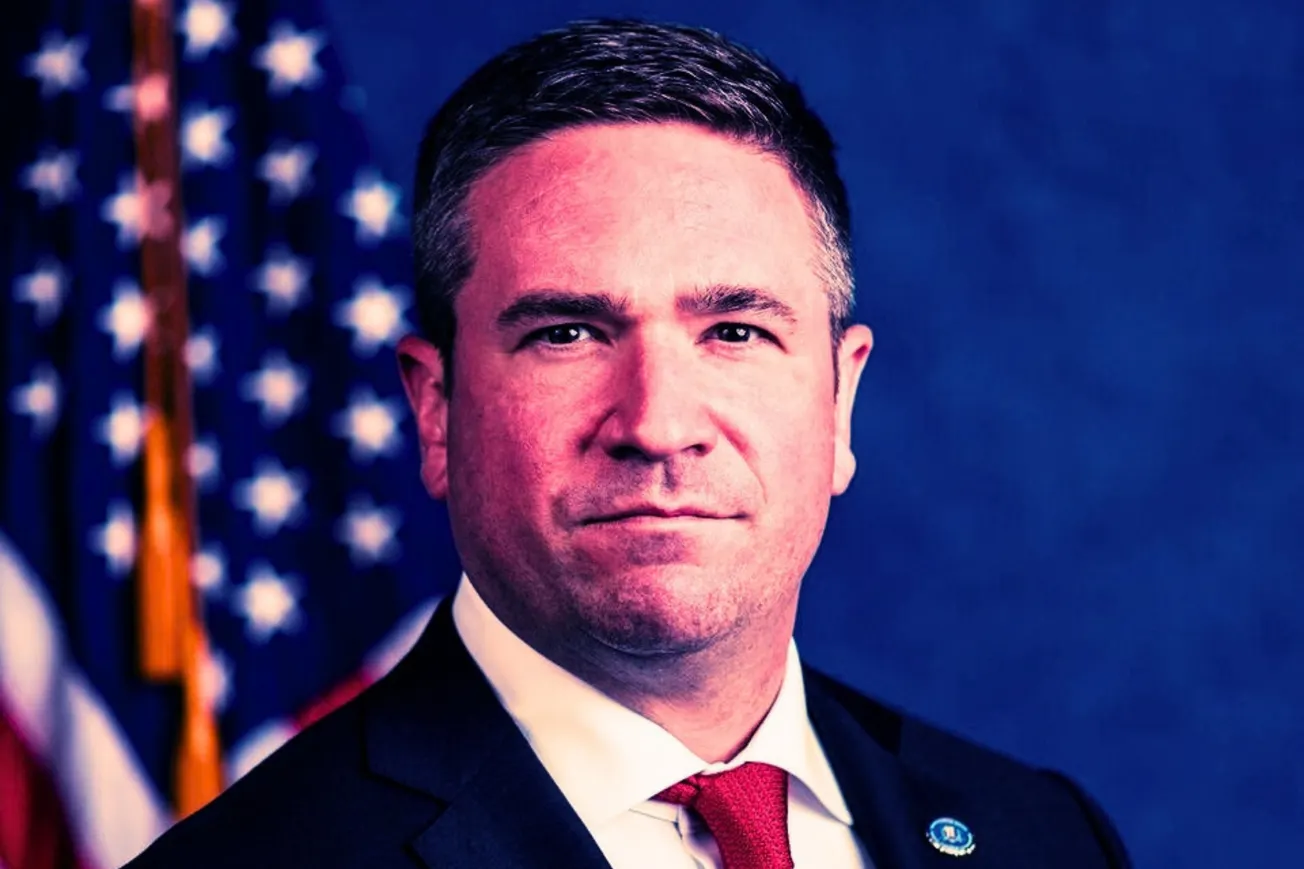
The Trump administration could make this crisis worse after the midterms. In July, Attorney General Todd Blanche pledged to end telemedicine prescriptions of abortion pills, and the Food and Drug Administration is working on a sham “review” that the agency could argue is a basis to reimpose in-person visits for mifepristone, the first of two drugs used in a typical medication abortion regimen. Trump’s new FDA nominee, anti-abortion physician Heidi Overton, will likely be confirmed after the November election.
Any changes to abortion pill availability will face legal challenges, but disinformation and chaos could lead people to think they can’t get pills by mail. This includes other medication abortion options like misoprostol, the second drug used in the FDA-approved protocol for medication abortion, which also works on its own. Legal whiplash will also lead to more uncompensated work for funds, clinics, and information providers like I Need an A and Plan C, Sueyoshi said, as they support confused abortion seekers. “The information battle will be the number-one thing we will, frankly, be having to waste our time on,” she said.
Clinics that have already cut staff or procedure days could be under a lot of strain if they suddenly get more patients for in-person care. Beatriz Williams said philanthropy needs to step up now to help clinics prepare. “Whatever may come with medication abortion, it's going to continue to be really important to support the frontline organizations,” she said. “As funders, it's really important for us to invest now in that infrastructure, so that when the time comes, they are as well-resourced as possible.”
Clinics and funds in the survey said they need multi-year, unrestricted grants to really gain some stability, Sueyoshi said. She described the overwhelming sentiment as: “Philanthropic support is essential, it is the backbone of the ecosystem that remains, and multi-year support is what will help keep organizations afloat and doors open.”
So while abortion pills by mail have helped people get care post-Dobbs, supporters of reproductive rights can’t get complacent, especially amid strong signals that more restrictions are coming.
This story was edited by Garnet Henderson and copy edited and fact checked by Hannah McAlilly.
Follow Autonomy News on Instagram, Bluesky, TikTok, Threads, and LinkedIn.