Table of Contents
LAST WEEK to take advantage of this offer: We’re about to turn 1! Help us celebrate our birthday and keep Autonomy News paywall-free by giving just $50 a year. Everyone with an active paid subscription as of June 4 will be entered into a raffle for a free merch item. Every existing paid subscriber who tips $100+ or upgrades to a higher tier will get a code for a free piece of merch.
Welcome to the latest edition of our weekly roundup. Every Monday, we’ll send you a summary of the biggest stories about bodily autonomy. We’ll also include links to pieces that Garnet or Susan have published.
If you’d prefer to receive a single email every week, you can do that—we love autonomy. You can manage your subscriptions by navigating to the site, clicking on “Account” in the upper right, then under “Emails,” select “Manage.” You can toggle off “Autonomy News” to receive only the roundup, or vice versa.
Let’s dive in.
On Autonomy News
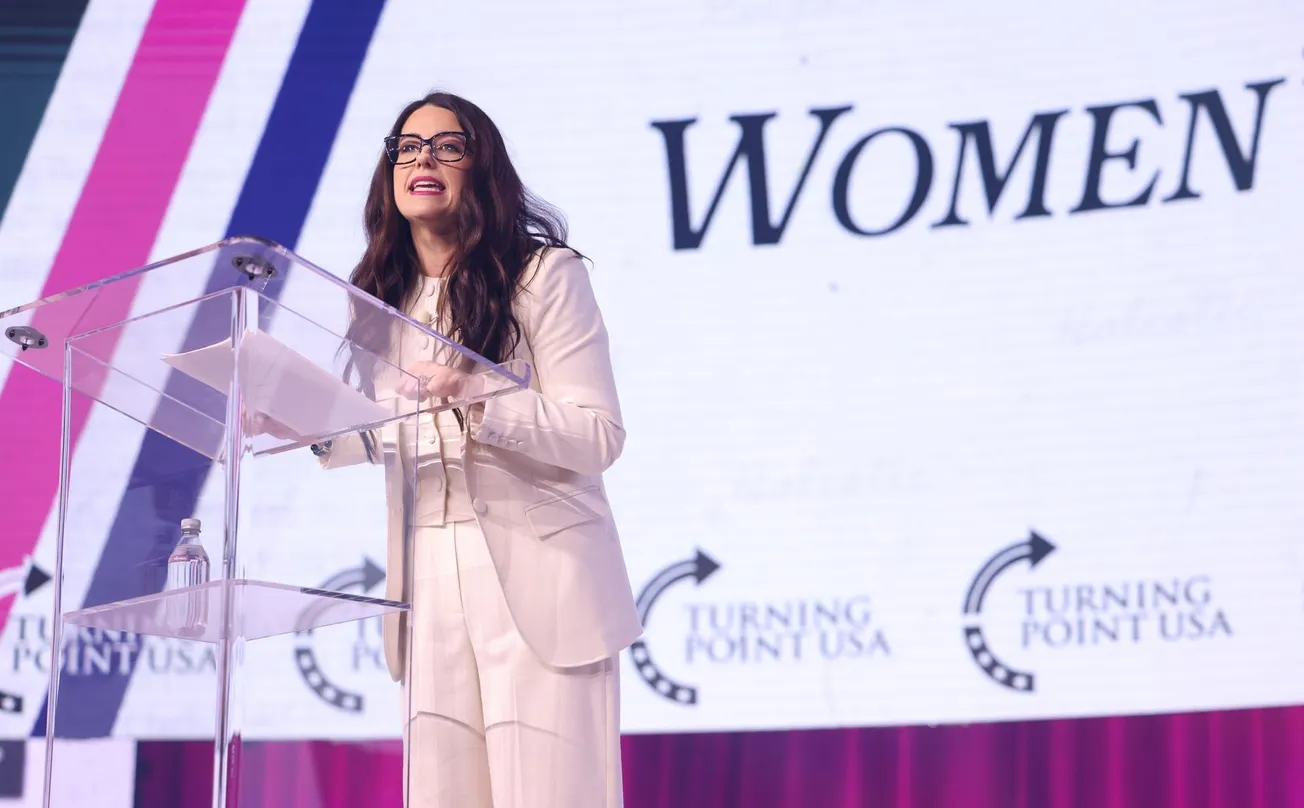
You probably don’t know her name, but you may be one of the 2 million people who read Erika Christensen’s abortion story in Jezebel in 2016. After sharing her story, Erika became an advocate and founded Patient Forward alongside her husband, Garin. Their first project was to advocate for the Reproductive Health Act, a New York law they now recognize didn’t expand access to care in all the ways patients need. In this op-ed, Erika reflects on her decade of advocacy, what she’s learned from past mistakes, and how storytelling has changed the cultural conversation about later abortion. (Share this story on Instagram, Bluesky, or TikTok.)
 Erika Christensen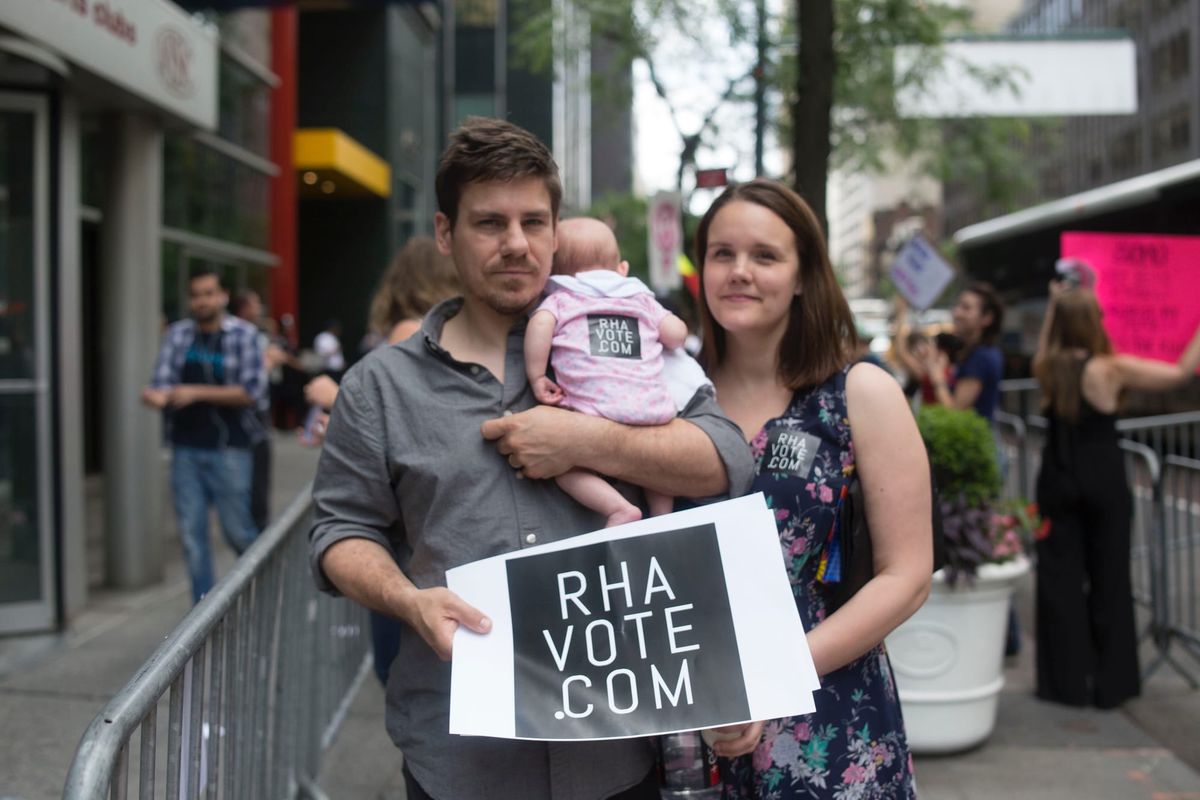
Federal news
Federal judges dealt two separate blows to Trump’s $1.7 billion slush fund for his allies, one stemming from the case we mentioned last week, in which the National Abortion Federation is a plaintiff. In that lawsuit, a federal judge in Virginia barred the administration from transferring money or taking any other action while legal proceedings continue, “to ensure no funds are irreversibly disbursed from the Anti-Weaponization Fund.” In a second case filed by 35 former federal judges, a district judge in Florida opened an official inquiry into whether Trump’s lawyers defrauded her court. The slush fund was created as part of a settlement in a lawsuit Trump filed against the Internal Revenue Service over the leak of his tax returns. But as the president, Trump oversees the IRS, making him effectively both the plaintiff and the defendant in the case, which the former judges allege makes the entire lawsuit inherently fraudulent.
In February, government sources raised alarms about the Trump administration’s choice to send pregnant, unaccompanied migrant girls to a shelter in South Texas, trapping them in a state with an abortion ban and in a facility unable to provide them with adequate medical care. Now, Rep. Maxine Dexter—an Oregon congresswoman and physician—is worried the infants born to these girls may be being deported, despite the fact that they are U.S. citizens because they were born here. Dexter wrote a letter to Trump administration officials last month after visiting the facility and being denied the opportunity to speak with any of the children. She hasn’t heard back. “Whether they’re in foster care, or in other facilities, or they’ve been returned to other countries, we don’t know,” Dexter told The Guardian.
Donald Trump signed an executive order that directs health agencies to follow a “study” from the Department of Health and Human Services that calls for decreasing the number of recommended childhood vaccines. This would mean no longer broadly recommending shots for flu, RSV, hepatitis A, hepatitis B, rotavirus, and some forms of meningitis. Health Secretary Robert F. Kennedy Jr. previously tried to change the recommendations himself, though that move is currently blocked by a federal judge.
The Trump administration is still refusing to release $150 million in funding authorized by Congress under the Violence Against Women Act. The money is meant to help survivors of domestic violence, sexual assault, and trafficking. The Nation reports that a Trump official told one organization inquiring about a $125,000 grant that “VAWA is not a activity [sic] that aligns with the current administration’s priorities.”
Arizona Rep. Yassamin Ansari, who at 34 is the youngest woman currently serving in Congress, has introduced the Reproductive Healthcare Leave Act. The bill would require employers to provide 12 days of paid leave every year for “any physical or mental symptom” related to reproductive health—such as painful periods or menopause—and to allow employees to obtain reproductive healthcare, including treatment for conditions like endometriosis or procedures like IUD insertion, abortion, or fertility care.
State news
The Illinois Senate passed House Bill 5295—dubbed the Reproductive Health Privacy Act—which would let patients request that information about abortion or diagnoses of gender dysphoria be separated from the rest of their digital health records. That shielded information could not be shared with out-of-state entities without patient consent. Almost a quarter of people nationwide who crossed state lines for an abortion in 2025 got their care in Illinois, per the Guttmacher Institute. Governor JB Pritzker’s office proposed the legislation, and it’s one of two medical record privacy bills under consideration. Lawmakers also passed Senate Bill 3341, which would allow minors to consent to birth control without notifying their parents. Current law says young people need their parents’ consent for this care, with exceptions if they’re pregnant or married, or other circumstances. Both bills now go to Pritzker for his signature.
The New Jersey Senate passed S 2260, a so-called “shield” law that would protect telehealth providers of abortion and gender-affirming care. Currently, eight states have telehealth shield laws, under which clinicians provide nearly 15,000 medication abortions per month. The measure would also make it a crime to interfere with reproductive health services, including trans care, by prohibiting the harassment or blocking of patients, staff, or volunteers from entering a healthcare facility. The bill now moves to the state Assembly.
State lawsuits
The Nevada Supreme Court blocked a law requiring parental notification for abortion care for those under 18. The law was originally enacted in 1985, but had never been enforced until 2025. That’s when two district attorneys argued it should go into effect because of the overturn of Roe v. Wade and a federal judge lifted a longstanding administrative block. In response, Planned Parenthood Mar Monte, which operates clinics in Nevada and California, filed a new challenge in state court. A lower court judge declined to block the law temporarily while the lawsuit continued. It was this decision that the Supreme Court reversed unanimously, in a decision that strongly suggests they believe the law to be unconstitutional—meaning it’s almost certain to be permanently blocked down the line.
An Arkansas judge has revived the legal challenge to the state’s total abortion ban. She had previously dismissed the case because of a law limiting county courts’ ability to consider certain constitutional challenges, which the Arkansas Supreme Court recently overturned.
That Ohio judge who’s mad he can’t deny more minors abortion care is still mad. Even Ohio’s anti-abortion Attorney General Dave Yost asked the Ohio Supreme Court to dismiss the case, filed by juvenile court judge David Engler. However, Engler is doubling down and insisting that Ohioans didn’t know that by voting to enshrine a right to reproductive freedom until fetal viability in their state constitution in 2023, they were effectively ending judicial bypass, a process in which a minor has to petition a judge for permission to get an abortion.
Relatedly, Right to Life of Michigan attempted to challenge that state’s constitutional protections for abortion rights, which voters added in 2022, by arguing that they deprive parents of the right to control their kids’ reproductive decisions. A federal district court dismissed the lawsuit, and that decision was just affirmed by the Sixth Circuit Court of Appeals.
Elections
Reproductive rights activists in Missouri launched their campaign against a deceptively written constitutional amendment that would reimpose an abortion ban. Voters approved abortion protections in 2024 with a measure known as Amendment 3. In response, the Republican legislature proposed a new ballot measure that would ban abortion once more, as well as gender-affirming care for minors—which is already prohibited. It’s also called Amendment 3, and a coalition called Stop the Ban Missouri will now urge Missourians to vote “no on 3.”
Anti-trans ballot measures proposed in states beyond Missouri—including Colorado, Maine, Nebraska, and Nevada—may be a cynical attempt to boost Republican turnout this fall. Nevada Governor Joe Lombardo told donors at a January event that he is “not enough of a motor—uh, a motivator—as a governor candidate to get [voters] off the couch.” He added, “We have a couple ballot initiatives we’re going to initiate in order to get voters out…the second thing we’re going to do is this thing called Men in Women’s Sports.”
Personhood watch
After a North Carolina bill that would put an extreme anti-abortion constitutional amendment on the ballot went viral, state Rep. Ben Moss publicly removed himself as a sponsor. However, he didn’t express regret over supporting HB 1232, which would allow people to use deadly force to stop abortions—he just said that “portions of the bill’s current language have led to significant misunderstandings and differing misinterpretations.” Ok!
The New York State Division of Human Rights found that a hospital violated state laws against sex and pregnancy discrimination when it drug tested her without consent. The hospital reported her to Child Protective Services over what turned out to be a false positive result. The New York Civil Liberties Union is calling on state lawmakers to pass the Maternal Health, Dignity, and Consent Act, which would require informed consent prior to drug testing.
In 2024, a 60-year-old woman was charged with murder, involuntary manslaughter, and concealing a death in connection with infant remains that had been discovered in 1997 at a campground in Michigan. Police used genetic genealogy to identify her. Earlier this year, a state appeals court ruled that a trial could go forward despite the fact that police made mistakes in informing the woman of her constitutional rights and when questioning her. She is now appealing that decision up to the Michigan Supreme Court. The Criminal Defense Attorneys of Michigan have filed a friend-of-the-court brief arguing that the appellate court’s decision—which validates the state’s assertions that the fact the woman considered an abortion and did not seek prenatal care constitute motive for murder—violates state constitutional protections for reproductive freedom, and criminalize pregnancy decision-making.
Worker news
ARC Southeast, an abortion fund serving Alabama, Florida, Georgia, Mississippi, South Carolina, and Tennessee—and one of the first abortion funds to have paid employees instead of unpaid volunteers—announced layoffs. “The surge of ‘rage giving’ following the fall of Roe v. Wade has sharply declined and we are experiencing that contraction directly. In addition, we’ve lost funding due to our political solidarities and as institutional giving across the entire reproductive sector becomes more scarce,” the organization wrote on Instagram, adding that “20 percent of key Reproductive Justice intermediary funders are ‘spending down’ or closing in the next 3-5 years,” and that some funders see supporting abortion funds as a risky prospect in the current political climate.
First Amendment watch
South Dakota is being sued over House Bill 1274, a law that makes it a felony to “dispense, distribute, sell, or advertise” abortion pills, or any item intended to produce an abortion. The state Attorney General can seek civil penalties of up to $10,000 per violation in addition to criminal charges and fines. Medication abortion information nonprofit Mayday Health and a former Democratic state lawmaker, Nancy Turbak Berry, filed a federal lawsuit arguing that the ban on advertising violates the First Amendment right to free speech. The legislature passed the law after Mayday tried to run gas station ads in the state.
Assaults on queer people
Colorado Governor Jared Polis signed a new ban on conversion therapy that prohibits any form of “therapy” meant to “direct a patient toward a predetermined sexual orientation or gender identity outcome.” The law also allows people to file medical malpractice claims against practitioners with no statute of limitations. The legislature passed the bill in response to the shameful Supreme Court decision ruling against Colorado’s ban on the practice, in a case brought by Christian nationalist law firm Alliance Defending Freedom.
But it’s not all good news. Now, another ADF client in Washington state is asking a federal court to reopen his case against a 2018 conversion therapy ban. The Supreme Court declined to review Brian Tingley’s legal challenge in late 2023 and his case was dismissed. But his attorneys now argue that the Colorado ruling means his lawsuit should be able to proceed.
Extremism
The Charlotte Lozier Institute—the dubious research arm of the major anti-abortion group Susan B. Anthony Pro-Life America—is accusing telehealth abortion providers of violating the Comstock Act, a dormant 1873 anti-vice law that outlawed mailing anything considered “obscene.” They also argue abortion providers are violating federal law by prescribing medication abortion beyond 10 weeks of pregnancy, the duration for which it’s technically approved by the Food and Drug Administration. It’s well established that medication abortion is safe and effective beyond 10 weeks, but this is technically an off-label use of the drugs, something the Trump administration has shown interest in attacking.
The Ohio-based Center for Christian Virtue sent a letter to federal prosecutors in the state, asking them to investigate providers of mail-order abortion pills, also alleging that this healthcare violates the Comstock Act.
Quick hits
- Missouri lawmakers passed a budget that eliminates $2 million for a program that helps low-income families buy more fruits and vegetables. The program could still continue, but the move is galling given that the legislature spent a lot of time arguing over how to steer public benefit recipients away from candy, soda, and desserts.
- In Planned Parenthood news, the New York affiliate’s shuttered Manhattan clinic is set to become luxury condos, as workers feared. The Florida affiliate will close a clinic in Gainesville, home to the University of Florida, citing declining patient demand.
- The Australian anti-abortion activist who claimed that photos of baby sugar gliders were human fetuses said “it doesn’t actually matter” what species they are because humans still get aborted.
- A new study found that training healthcare providers at abortion clinics to counsel patients on their birth control options in a way that’s non-coercive and person-centered results in more people using contraception, because they’re given access to a wider variety of methods.
Palate cleanser
What gave it away?
@thebonndotcomm Every. Time. I. Mow. My puppy mill rescue is scared of thunder but will walk right behind a lawn mower and roll in the grass #momtok #dog #dogsoftiktok #dogmom #rescuedog ♬ original sound - Torrell Tafa
Follow Autonomy News on Instagram, Bluesky, TikTok, Threads, and LinkedIn.